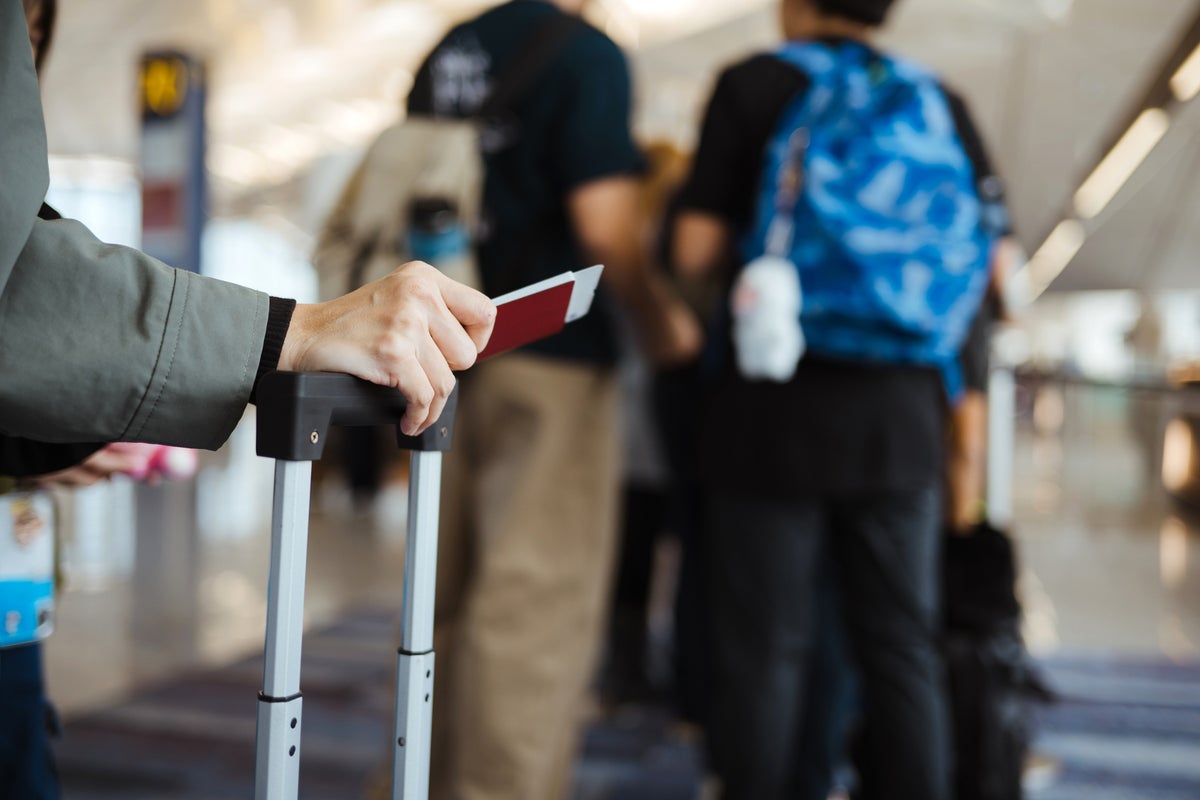
Instagram isn't just for travel aesthetics and food photos anymore. It's becoming a hunting ground for international drug syndicates. In a terrifying trend hitting home, young Canadians are being lured by "dream job" advertisements on social media, only to end up facing life sentences in Hong Kong prisons. This isn't a plot from a Netflix thriller—it’s a reality that recently swallowed four Canadians, including teenagers, who thought they were starting careers as international couriers.
If you’ve seen a post offering $5,000 for a "simple delivery" trip with all expenses paid, you're looking at the bait. The "Dot network," a shadowy group named after a recruiter who uses a single period as a handle, is specifically targeting the Kitchener-Waterloo and Greater Toronto areas. They aren't looking for hardened criminals. They want "clean" kids with no records and valid passports—people who look invisible to customs.
How the Dot Network Grooms Its Victims
The recruitment process is a masterclass in psychological manipulation. It starts with a post. Maybe it's under a hashtag like #quickcash or tucked into a story that disappears in 24 hours. The job description sounds professional: "International Package Shipper." The requirements? Be over 18, have a passport, and be ready to fly.
Once you show interest, the recruiter moves the conversation to encrypted apps like Signal or Telegram. This is where the grooming intensifies. A 19-year-old girl named Jade from Cambridge, Ontario, was one of the recent victims. Her Instagram chats, recovered from a laptop she left behind, show she was nervous. She asked the recruiter, "How do I know I'm not about to be kidnapped?"
The response was chillingly casual: "Omg hell no. I'm 19 myself and would NOT put anyone in danger like that. I send all my closest homies."
This is how they get you. They use age-appropriate slang, pretend to be peers, and offer referral bonuses—$250 for every friend you bring in. They make it feel like a club, not a crime. Within three weeks of answering that first post, Jade was in a Hong Kong jail cell. Customs found 25 kilograms of cocaine in her suitcase.
The False Security of the High Fashion Suitcase
Syndicates often provide the luggage. They tell the couriers the bags contain "high-end clothing," "samples," or "electronics." In some cases, they even instruct couriers to check in every two minutes after landing, providing currency serial numbers as "passwords" for the hand-off.
These kids aren't hiding bags of powder in their socks. They’re carrying massive quantities—nearly 100 kilograms of cocaine was seized across these four Canadian cases alone. The sheer scale suggests the syndicates don't care if the mule gets caught. To a cartel, a 19-year-old is a disposable asset. If the bag gets through, they make millions. If it doesn't, they just find another kid on Instagram.
Hong Kong Law Doesn't Care About Your Innocence
There's a massive misconception that "not knowing" what’s in the bag is a valid legal defense. In Hong Kong, it isn't. Under the Dangerous Drugs Ordinance, if you have the suitcase and the keys, the law presumes you know what’s inside.
The burden of proof shifts to you. You have to prove you didn't know, which is nearly impossible when you've accepted thousands of dollars from a stranger to fly across the world. The conviction rate for drug offenses in Hong Kong is around 83%. For young offenders under 21, sentences of 20 years or more are common. The maximum penalty is life imprisonment and a $5 million fine.
- Physical Possession: If you're holding the bag, you're responsible.
- Strict Liability: Ignorance is rarely an excuse in traffickers' court.
- No Mercy for Youth: Being a student or having a clean record counts for almost nothing in these sentencing guidelines.
Red Flags You Can't Afford to Ignore
If you or someone you know is looking at international "courier" jobs, look for these specific warning signs. Legitimate logistics companies don't recruit through Instagram DMs.
- Vague Job Titles: "Package handler," "International courier," or "Logistics assistant" with no company website.
- All-Expense Paid Trips: Why would a company pay for your flight, 5-star hotel, and food for a simple delivery?
- Encrypted-Only Contact: If they refuse to use email or a business phone line and insist on Signal or Telegram, run.
- The "Friend" Hook: They ask you to recruit your friends for a "referral fee." This is a pyramid scheme for prison sentences.
- No Paperwork: If there's no tax form, no contract, and no background check beyond "do you have a passport," it's a scam.
What to Do If You're Already in Too Deep
Maybe you’ve already talked to someone like "Dot." Maybe you’ve even accepted a flight. The moment you realize something is wrong, stop all contact. These groups use "debt bondage" and threats to keep mules in line. They might threaten to "shoot up your house" or hurt your family if you back out.
Police squads in Waterloo and the RCMP are actively investigating these social media recruitment trends. If you're being threatened, go to the authorities. It’s better to deal with a police report in Canada than a life sentence in a foreign prison where you don't speak the language and have zero rights.
Don't let a "golden opportunity" on your feed destroy the next thirty years of your life. If a job offer requires you to carry a suitcase you didn't pack for people you don't know, you aren't a courier. You're a target.
Check your privacy settings. Block accounts that offer unsolicited "work from home" or "travel for cash" opportunities. Most importantly, talk to your friends. The Dot network thrives on the fact that young people are looking for a way out of the current economic grind. They're selling a lie that ends in a 6x9 cell.