The United States has long sold itself as the land of the free, but for citizens of 50 nations, that freedom now carries a five-figure price tag. Effective April 2, 2026, the State Department is adding 12 more countries to its Visa Bond Pilot Program, requiring travelers to post up to $15,000 in cash before they can set foot on American soil. This is not a standard processing fee. It is a financial hostage situation designed to ensure that business travelers and tourists from "high-risk" nations actually leave when they say they will.
The new additions—Cambodia, Ethiopia, Georgia, Grenada, Lesotho, Mauritius, Mongolia, Mozambique, Nicaragua, Papua New Guinea, Seychelles, and Tunisia—bring the total number of affected countries to 50. Most of these nations are in Africa or the developing world, highlighting a stark economic divide in who gets to visit the U.S. without a bank guarantee.
The Mechanics of the Financial Leash
This program operates on a simple, albeit brutal, premise. If a consular officer deems a B-1 (business) or B-2 (tourism) applicant a flight risk, they can demand a bond of $5,000, $10,000, or $15,000. The officer has near-total discretion. They look at your income, your job, and your ties to home. If those ties look thin, you pay the "ransom."
The money goes into an account managed via Pay.gov, the Treasury Department’s portal. It stays there until you prove you have left the country. If you overstay by even a single day, the U.S. government keeps the cash. The administration justifies this by pointing to the cost of deportation, which they estimate at roughly $18,000 per person. By making the traveler put up the money upfront, the government essentially pre-funds its own enforcement actions.
The Hidden Constraints of the Bonded Visa
Paying the money is only the first hurdle. Once you have a bonded visa, your travel is no longer your own.
- Single Entry Only: These visas are typically valid for just three months and allow only one entry.
- 30-Day Limit: While a standard tourist visa often grants a six-month stay, bonded travelers are frequently restricted to just 30 days.
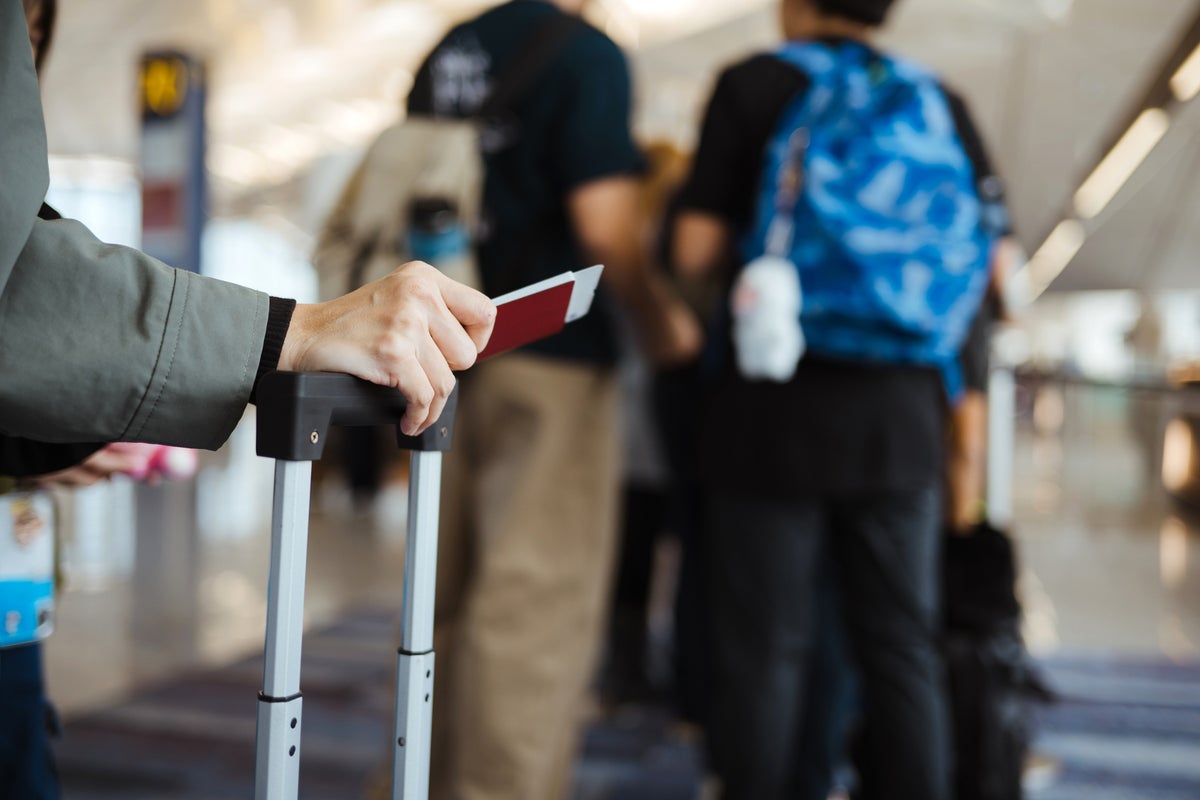
- Designated Gateways: You cannot just fly into any airport. Bonded travelers are funneled through specific "ports of entry" like JFK, Dulles, or LAX. This allows Customs and Border Protection (CBP) to track "bonded" individuals more closely through specialized screening.
- No Land or Sea Entry: Forget a cruise or a drive across the Canadian border. You must arrive and depart via commercial air.
The Economic Barrier to Entry
Consider the reality for a small business owner in Mozambique or a researcher in Ethiopia. In many of these countries, $15,000 represents several years of average salary. Requiring such a sum—liquid and paid upfront—effectively bans the middle class of these nations from visiting the United States. Only the ultra-wealthy or those with corporate backing can afford to have that kind of capital sitting in a U.S. Treasury account for a month-long trip.
The administration claims the program is working, citing a 97% compliance rate among the first 1,000 people who paid the bond. Critics, however, argue this is a self-fulfilling prophecy. If you are wealthy enough to spare $15,000 for a deposit, you are likely not the person looking to disappear into the American underground economy to work a minimum-wage job.
A Diplomatic Power Play
This is not just about immigration; it is about leverage. By placing a country on this list, the U.S. sends a clear signal to that foreign government: "Your citizens are a burden." It pressures these nations to improve their own vetting processes and to take back their deported nationals more quickly.
The program is currently a "pilot," set to run through August 2026. However, the rapid expansion from a handful of countries to 50 suggests this is no longer an experiment. It is a cornerstone of a new, transactional immigration policy where entry is a luxury good.
For the traveler from Tunisia or Georgia, the message is clear. The U.S. no longer trusts your word or your visa application. It only trusts your money. If you want to see the Grand Canyon or attend a board meeting in Manhattan, you better be ready to pay the price of admission.
Check the latest country list on the State Department’s official travel site before booking any non-refundable flights from the affected regions.