The Strait of Hormuz is the world's most sensitive chokepoint. If you've been watching the maritime markets lately, you've seen the tension reach a boiling point, only to suddenly pivot. Iran's recent declaration that they will allow "non-hostile ships" to pass through the strait isn't just a diplomatic olive branch. It's a calculated move to stabilize a region that was teetering on the edge of a total shipping blackout.
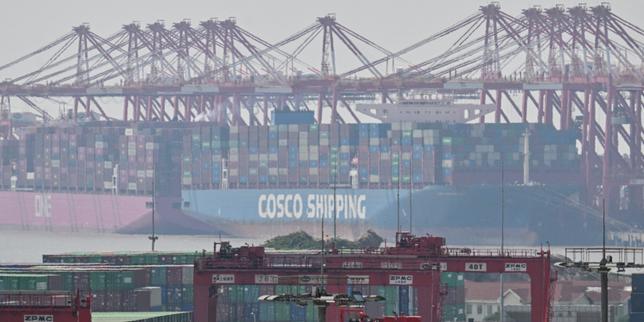
The immediate result? Cosco, the Chinese shipping giant, has already jumped back in. They're resuming reservations for several countries in the region. This isn't a small deal. When the world's fourth-largest container line decides the water is safe, the rest of the industry sits up and takes notice.
The Real Definition of Non-Hostile
What exactly does Iran mean by "non-hostile"? That's the million-dollar question. In the past, the definition of hostility in these waters has been fluid, to say the least. It often depended more on the political temperature of the week than on international maritime law.
By explicitly stating that peaceful commerce can continue, Tehran is trying to decouple its regional geopolitical spats from the flow of global energy and consumer goods. They know that blocking the strait entirely is a "nuclear option" that would turn the entire global economy against them, including their allies in the East. This new stance is a way to maintain leverage without triggering a global catastrophe.
For ship owners, "non-hostile" basically means you aren't carrying military hardware for their rivals or flying flags that Iran currently has a specific bone to pick with. It's a selective opening. It’s a "proceed with caution" sign rather than a green light.
Why Cosco Moved First
Cosco's decision to resume bookings is a massive signal. Chinese firms have a unique position here. Because of the close economic and energy ties between Beijing and Tehran, Chinese-flagged or Chinese-operated vessels often enjoy a level of perceived security that Western carriers don't.
If you're a logistics manager in Dubai or Riyadh, this is a breath of fresh air. For months, the uncertainty around the Strait of Hormuz has sent insurance premiums through the roof. War risk surcharges have been eating into margins, and some companies were even looking at the long, expensive trek around the Cape of Good Hope as a permanent alternative.
Cosco isn't just gambling. They've likely done the back-channel legwork to ensure their fleet won't be harassed. By resuming services to key regional ports, they’re capturing market share while others are still hesitant. It's a bold move that highlights how much of global shipping is now dictated by geopolitical alignment rather than just the shortest route on a map.
The Ripple Effect on Insurance and Freight Rates
When a major player like Cosco returns, the insurance markets take note. Lloyd’s of London underwriters don't just look at satellite maps; they look at who is actually sailing.
We’ve seen a slight softening in regional freight rates since the announcement. It’s not a crash, but it’s a correction from the "panic pricing" we saw earlier this year. However, don't expect things to go back to 2019 levels. The risk is still there. One "misunderstanding" or one stray drone, and those rates will spike 20% in an afternoon.
The smart money is staying cautious. While Cosco is moving, many European and American carriers are still maintaining a "wait and see" approach. They’re looking for more than just a verbal assurance from Tehran. They want to see a consistent track record of safe passage over several months.
The Problem with Selective Safety
There’s a hidden danger in this "non-hostile" policy. It creates a two-tier shipping system. If only certain ships from certain countries feel safe, it distorts the market. It gives an unfair advantage to carriers from nations that have favorable diplomatic relations with Iran.
This isn't how global trade is supposed to work. The United Nations Convention on the Law of the Sea (UNCLOS) is built on the idea of transit passage—the right for all ships to move through international straits. When a coastal state starts picking and choosing based on "hostility," the legal framework starts to crumble.
What This Means for Global Energy
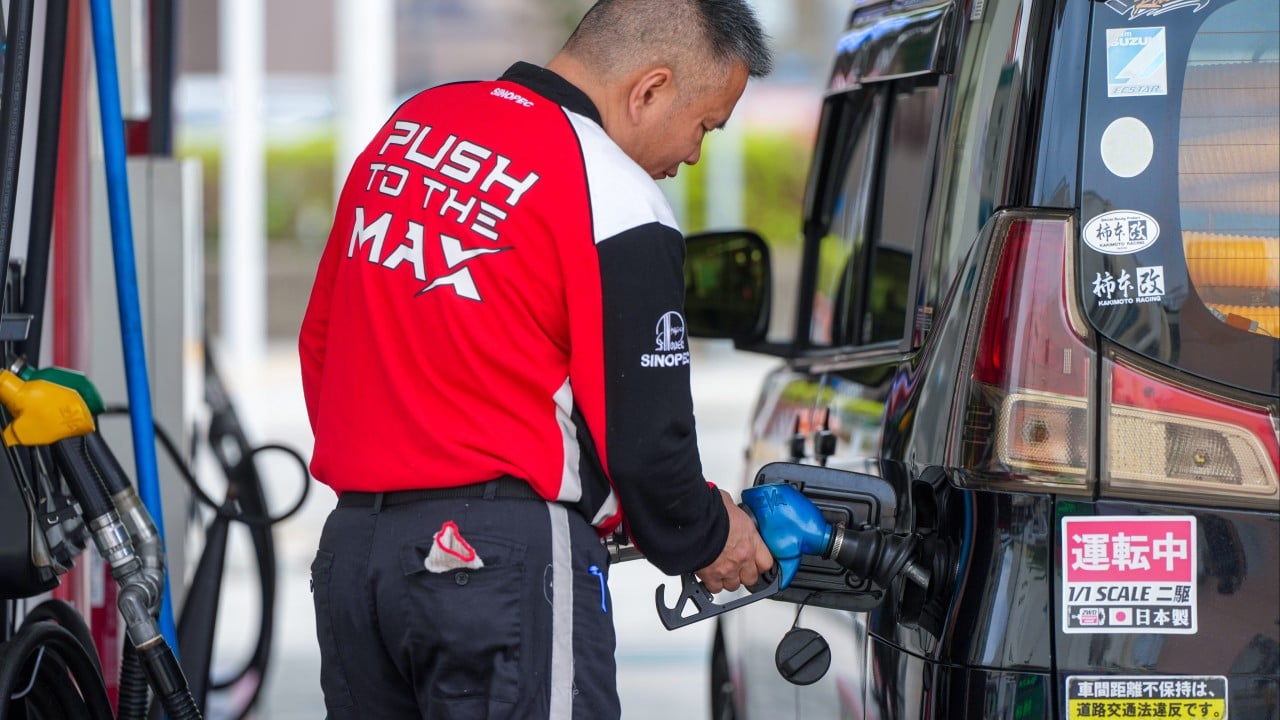
About a fifth of the world's total oil consumption passes through this narrow stretch of water. It’s not just oil, though. Liquefied Natural Gas (LNG) from Qatar is also a massive part of the equation.
If Iran keeps its word and keeps the tankers moving, we might see some much-needed stability in energy prices. The "Hormuz Premium"—the extra dollar or two added to every barrel of oil just because of the risk of the strait closing—could start to evaporate. This would be a huge win for inflation-weary economies in Europe and Asia.
But there's a catch. Iran’s definition of "hostile" can change. If sanctions tighten or if there’s another flare-up in regional conflicts, that "non-hostile" label could be revoked for any ship at any time. Traders know this. That’s why the market remains jumpy.
How Logistics Firms Should Respond
If you're managing a supply chain that relies on this route, you can't just rely on headlines. You need a diversified strategy.
- Don't put all your eggs in one carrier. Even if Cosco is moving, keep your relationships with carriers that use alternate routes or have different risk profiles.
- Monitor the "Shadow Fleet." Keep an eye on the smaller, less regulated tankers that often move through these waters. Their behavior is often a leading indicator of how much "friction" Iran is actually applying.
- Lock in rates where possible. If you see a dip in freight rates because of this news, it might be a good time to secure some medium-term contracts. The current calm might be the eye of the storm.
Iran is playing a sophisticated game of maritime chess. By easing the pressure just enough to let Chinese trade resume, they are trying to signal that they aren't the aggressor while still keeping their hand on the throat of global trade. It’s a delicate balance. For now, the ships are moving, and the giant cranes in the region’s ports are swinging again. But in the Strait of Hormuz, the only constant is that everything can change in a heartbeat.
Check your current insurance policies for "breach of warranty" clauses related to the Persian Gulf. Make sure your coverage actually reflects the current "non-hostile" status or you might find yourself unprotected if a situation develops. Contact your broker today to verify your zone-specific surcharges.