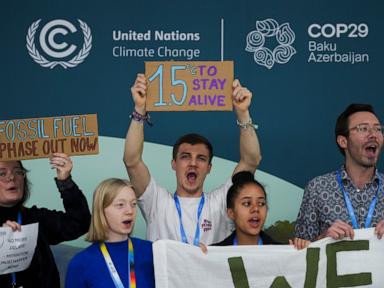
The threshold is slipping away. We spent decades treating the 1.5-degree Celsius warming target as a hard scientific boundary, a planetary tripwire we simply could not cross. But the United Nations just dropped a reality check that changes the conversation entirely. Global warming will exceed that limit. It is no longer a matter of if, but by how much and for how long.
When you read through the latest emissions gap assessments from the United Nations Environment Programme, the math is brutal. Current national climate pledges put us on a trajectory toward catastrophic warming well past the vital safety benchmarks. We are staring down a temporary overshoot of the 1.5-degree threshold.
Scientists aren't sugarcoating it anymore. Crossing that line means triggering severe feedback loops, melting permafrost, and accelerating ice sheet collapse. Yet, the same reports map out a narrow, painfully steep path to pull global temperatures back down below the danger zone before the end of the century.
You need to understand what this overshoot actually means for your world, your finances, and your future. Let us look past the political spin and examine the mechanics of overshoot, the science behind the recovery plans, and what real action looks like right now.
The Brutal Math of Planetary Overshoot
The concept of an emissions overshoot sounds academic until you break down what it demands from global infrastructure. Imagine speeding down a winding mountain pass, missing a sharp turn, and relying entirely on a runaway truck ramp to save you. That is humanity's climate strategy right now.
We missed the turn. We pumped too much carbon into the atmosphere, and the planetary carbon budget for 1.5 degrees is practically exhausted.
According to UN climate assessments, global greenhouse gas emissions must drop by roughly 42 percent by 2030 to even keep a fighting chance at limiting the worst impacts. Instead, emissions keep ticking upward or plateauing stubbornly. Governments make ambitious net-zero pledges for 2050, but their policies for the next five years look completely inadequate.
That disconnect creates the overshoot. We will blow past 1.5 degrees in the 2030s. We might even brush past 1.7 or 1.8 degrees before carbon removal technologies and aggressive emission cuts take full effect.
Why does this matter? Because warming isn't a thermostat you can simply dial back down instantly. Earth's oceans and land masses store heat. Even if we stopped emitting every molecule of carbon today, residual warming would persist for decades. Pulling temperatures back down requires active planetary healing.
What Happens When We Cross the Line
The UN reports emphasize a terrifying truth. Earth systems do not care about political timelines. Crossing the 1.5-degree threshold increases the probability of crossing irreversible tipping points.
Consider the Amazon rainforest. Parts of the basin already emit more carbon than they absorb due to deforestation and prolonged drought. Push the global temperature higher, and the entire ecosystem shifts into a degraded savanna state. Once that happens, you cannot replant your way out of it.
Sea levels tell a similar story. Ice sheets in Greenland and West Antarctica respond non-linearly to sustained heat. A temporary spike in global temperature might melt enough ice to lock in meters of sea-level rise for centuries, long after we manage to cool the atmosphere back down.
Extreme weather events will also amplify during an overshoot period. Heatwaves that currently happen once a decade will become biennial occurrences. Agricultural belts across North America, Europe, and Asia will face severe yield shocks.
You will feel this in your daily life. Food prices will fluctuate wildly based on regional droughts. Insurance premiums for coastal and wildfire-prone properties are already skyrocketing because underwriters know the risk models are flashing red. Ignoring these realities is no longer an option.
The Roadmap Back From the Brink
Can we actually get back down below the danger zone once we exceed it? The UN maps out a recovery pathway, but it relies on aggressive, almost aggressive-sounding technologies that remain unproven at scale.
The primary engine of this recovery is carbon dioxide removal. We are not just talking about planting trees, though reforestation is part of the puzzle. We need industrial direct air capture facilities that suck carbon dioxide directly out of the ambient air and pump it deep underground for permanent mineralization.
Right now, global direct air capture capacity is a drop in the ocean. Scaling this industry requires a capital deployment comparable to the global rollout of the internet or commercial aviation. It needs massive subsidies, stringent regulatory frameworks, and cheap, zero-carbon energy to run the machinery.
Energy transition remains the heavy lifter. Solar and wind power are growing exponentially, beating fossil fuels on cost in many markets. But electricity generation is only part of the puzzle. Heavy industries like steel, cement, shipping, and aviation are notoriously difficult to decarbonize.
Hydrogen fuel, synthetic e-fuels, and electrification must scale rapidly to replace fossil feedstocks in these hard-to-abate sectors. If you run a business or manage investments, ignoring these industrial shifts means getting left behind by regulatory mandates and consumer demand alike.
The Urgency of Decentralized Action
Waiting for international climate summits to save the day is a fool's errand. COP negotiations move at the speed of bureaucracy while the atmosphere warms in real-time.
Real change happens at the municipal and regional level. Cities are redesigning transit networks to prioritize electric mass transit and active mobility. Urban planners are mandating energy-efficiency standards for new buildings, cutting emissions before energy even enters the grid.
You have agency in this fight, too. How you power your home, how you vote, and where you put your capital matter. Divesting from fossil fuel holdings and directing investments into clean energy funds sends a clear market signal. Electrifying your home heating with a heat pump cuts your personal carbon footprint drastically while saving you money on energy bills over the long run.
The UN report is not a death sentence. It is a severe warning siren. We are heading into dangerous territory, but the tools to claw our way back are sitting right in front of us. The only question is whether we have the collective discipline to use them before the margin for error disappears entirely.