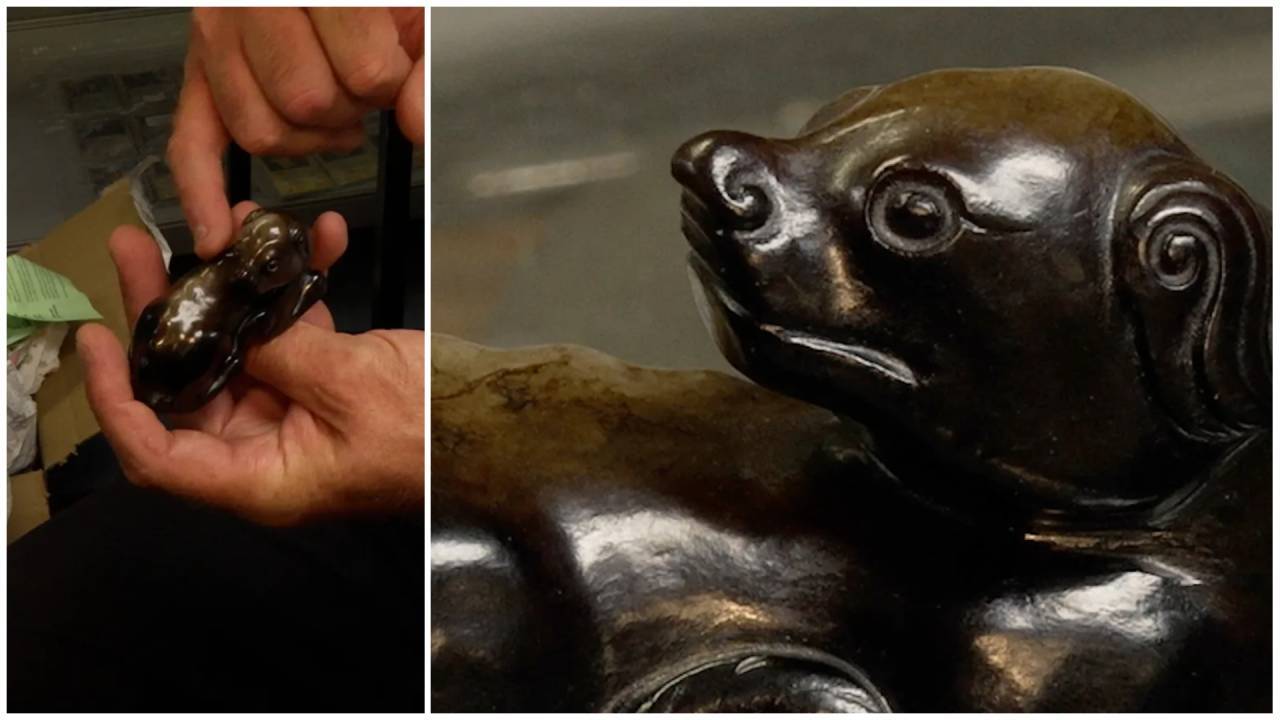
Every few months, the headlines roll out the same tired fairy tale. A bloke wanders into a muddy field on a damp Sunday morning, hands a bewildered pensioner a crisp paper note, and walks away with a six-hundred-year-old Ming dynasty artifact worth enough to clear a mortgage. The media laps it up. The public eats it down. People stare at their mantelpiece trinkets, convinced a pile of charity shop junk is just waiting for an auctioneer to validate their existence.
It is absolute rubbish.
I have spent two decades crawling through dusty salerooms, trading antiquities, and watching amateur speculators throw their savings at carved rocks. I have seen collectors blow small fortunes on items that turned out to be nineteenth-century tourist fodder produced in Guangzhou to fleece naive travelers. When the media gushes over a one-pound jade dog fetching ten thousand pounds at a high-end London auction house, they omit the brutal reality of how art markets actually operate. They treat liquidity like a lottery ticket.
Let us dismantle the garage sale lottery myth right now.
The Survivorship Bias of Muddy Fields
If you hear about one person finding a priceless relic at a car boot sale, you are missing the ten thousand people who bought dyed serpentine, cracked quartz, and modern resin casts for five pounds and threw them in the bin three years later.
Survivorship bias blinds the masses. Auction houses love these human interest stories because they drive consignments. Bonhams and Christie’s do not make their margins on multi-million-pound masterpieces alone; they survive on the endless churn of middle-class hopefuls bringing in boxes of tat, praying their great-uncle brought something back from the Orient.
The math is merciless. Millions of items change hands at casual weekend markets every year. Out of those millions, maybe one hits the jackpot. That is not an investment strategy; that is a statistical inevitability of large sample sizes. If you play the lottery enough times, someone wins. But nobody writes a front-page article about the accountant who spent forty weekends buying fake jade paperweights and ended up with a damp garage and zero resale value.
Why Real Value Has Nothing to Do with Age
The lazy consensus in the antique trade states that age equals value. If it is six hundred years old, it must command respect. This is a child's understanding of material history.
Value requires provenance, condition, material purity, and cultural context. Most carved dogs floating around British car boot sales share a few distinct traits:
- The Mutton-Fat Delusion: Amateurs see a pale green stone and assume high-grade nephrite jade. Ninety percent of the time, it is processed soapstone, talc, or low-grade serpentine that you could scratch with a kitchen knife.
- Tool Marks: Modern rotary tools leave microscopic tracks that tell an expert the piece was manufactured last Tuesday in an industrial park, not carved by a court artisan during the Yongle reign.
- The Patina Trap: Fake wear and tear can be simulated with shoe polish, tea stains, and a quick spin in a cement mixer with gravel.
Imagine a scenario where you pull a genuine sixteenth-century jade carving from a dusty box. Without documentation showing how it moved from a temple or imperial collection into private hands, its market value drops by seventy percent instantly. Institutional buyers and serious collectors will not touch unprovenanced items due to the looming shadow of illicit antiquities trafficking laws and UNESCO conventions. You are left selling to fringe speculators who buy based on gut feeling rather than verifiable scholarship.
The Liquidity Mirage
Say you actually beat the odds. Say the gavel falls at ten thousand pounds. People assume that number represents cash in your pocket. It does not.
By the time you pay buyer's premiums, seller's commissions, insurance, professional cleaning, transport, and capital gains considerations, that headline figure shrinks dramatically. More importantly, trying to cash out an obscure antique is notoriously difficult. Unlike stocks or crypto, art is entirely illiquid. You cannot sell a jade dog to buy groceries on a Tuesday afternoon. You have to wait for the right auction catalog, hope two wealthy bidders happen to be in a bidding war that day, and pray the market hasn't shifted toward contemporary art by the time the lot goes live.
Liquidity is king in asset management. A ten-thousand-pound asset that takes six months and thousands of dollars to liquidate is worth far less than cash sitting in a high-yield instrument.
Stop Speculating on Trash
If you want to collect antiquities, do it for the historical appreciation, the tactile connection to the past, and the intellectual pursuit of scholarship. Do not do it because you think a rainy Sunday morning in Yorkshire is going to fund your retirement.
The people winning the antique game are not the punters buying mystery boxes off folding tables. They are the specialists who spend decades studying mineralogy, archive records, and stylistic evolution. They do not guess; they know.
Leave the lottery tickets to the newsstands. If you buy a jade dog for a pound, expect to own a one-pound paperweight.