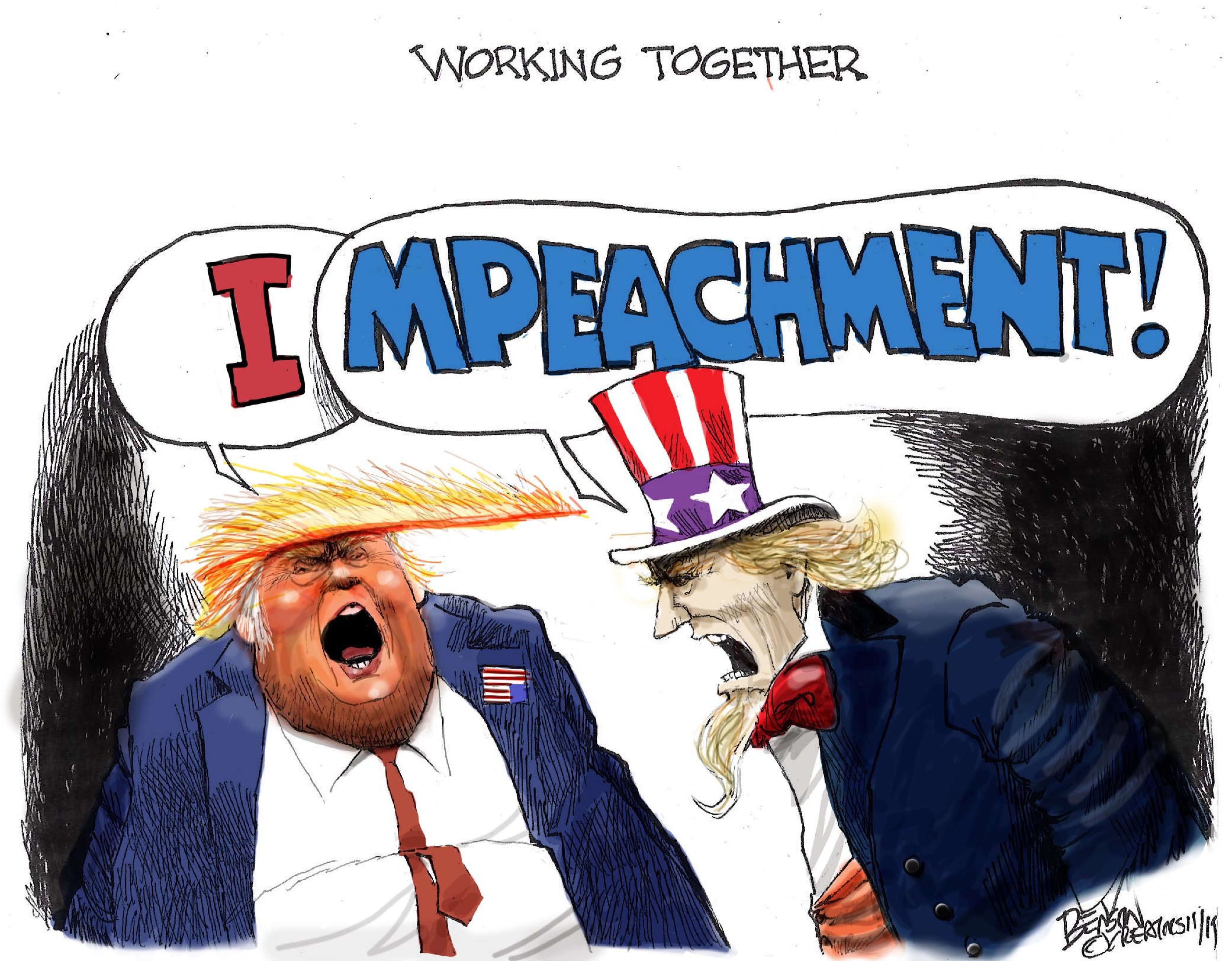
Donald Trump says Iran begged for a meeting. Tehran says nothing is on the books.
If you are watching the latest geopolitical whiplash between Washington and Tehran, you are probably trying to figure out who is lying. On Monday morning, Trump took to social media to declare that Iran had requested an urgent meeting to repair the fracturing 60-day interim peace deal. According to the White House, special envoy Steve Witkoff and Jared Kushner are already flying to Doha, Qatar, to hammer out details. Meanwhile, you can explore related developments here: Why the EU is picking a fight with Washington over the ICC.
Yet, almost simultaneously, Iranian senior negotiator Kazem Gharibabadi and Foreign Ministry spokesman Esmail Baghaei threw cold water on the whole thing. They claim no face-to-face talks with the U.S. are scheduled at any level.
So, what is actually happening? To explore the complete picture, we recommend the excellent report by USA Today.
This is not just standard diplomatic posturing. It is a high-stakes game of public relations where both leaders are trapped by domestic politics, a global energy crisis, and a fragile ceasefire that nearly collapsed over the weekend.
The Real Strategy Behind the Mixed Messages
To understand why the U.S. and Iran are telling completely different stories, you have to look at what both administrations need to survive at home. They are talking past each other on purpose.
For Donald Trump, the interim deal signed earlier this month is a massive political asset ahead of the November elections. When the deal was signed, oil prices fell sharply, dropping U.S. crude futures to around $69 a barrel. That drop directly supports Trump’s core message to American voters that inflation is finally easing. If the deal falls apart, oil prices spike, inflation returns, and a central campaign pillar crumbles. By announcing that Iran came crawling back to the table, Trump signals absolute strength to his base while keeping the markets calm.
Iranian President Masoud Pezeshkian faces a completely different nightmare. He is a reformist navigating a deeply hostile theocracy. Hardliners in Tehran view any direct talks with the "Great Satan" as outright surrender, especially after a weekend of heavy military crossfire.
Pezeshkian needs to show his public a financial win without looking weak. On Monday, he announced that $6 billion of the total $12 billion in frozen Iranian assets held in Qatar would soon be released, calling it "a great victory for the Iranian people." But to keep the hardliners from tearing his government apart, his diplomats must vehemently deny they are sitting down directly with American representatives. Tehran's official line is that they are going to Qatar to talk to Qatar about the money, not to the Americans about a treaty.
The Hidden Catalyst of the Weekend Escalation
The sudden scramble to meet in Doha follows a brutal weekend of military escalation that almost ended the peace process entirely. The war, which began on February 28, has centered heavily on the Strait of Hormuz. A fifth of the world's oil moved through this narrow waterway before the conflict turned it into a graveyard for tankers.
The interim deal was supposed to keep the strait open, but a messy dispute over who controls the waters triggered a dangerous chain reaction:
- Thursday: An Iranian drone strike hit a commercial vessel in the strait, violating the 60-day ceasefire.
- Friday: The U.S. launched heavy retaliatory airstrikes against Iranian targets.
- Saturday: Iran struck back, hitting another vessel—coincidentally a tanker carrying Qatari crude—and launched drone and missile attacks targeting U.S. bases in Bahrain and Kuwait.
- Sunday: Trump threatened that the U.S. might be "forced to militarily complete the job," prompting Iran to threaten a complete halt to all talks.
By Sunday night, both sides realized they were on the brink of an all-out catastrophic war. A senior U.S. official confirmed that both nations quietly agreed to a "kinetic pause" and decided to stand down for now so vessels could move freely.
The Doha meeting, whether the Iranians admit to it or not, is an emergency triage session to keep this truce from bleeding out.
What Happens Next in Doha
Do not expect a historic, smiling handshake photo op between U.S. and Iranian officials this week. That is not how this works.
The technical talks will be handled through proximity diplomacy. Qatari and Pakistani mediators will likely spend Tuesday running between hotel conference rooms, carrying messages back and forth between the American delegation led by Kushner and Witkoff, and the Iranian team.
If you want to know whether these talks are succeeding, ignore the official press releases and watch two specific indicators over the next 48 hours:
First, watch the movement of the $6 billion in Qatari bank accounts. If those funds are cleared to buy U.S. food products and humanitarian goods for the Iranian public, it means Tehran is quietly complying with the uranium dilution terms of the memorandum of understanding.
Second, watch the Strait of Hormuz. Iran’s deputy foreign minister just announced that Iran alone will handle the demining of the strait, warning European powers like France to stay out of the area. If commercial shipping traffic flows without another drone strike, the interim deal survives for another week. If another tanker burns, the Doha talks failed, and the U.S. military option goes back on the table.