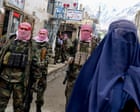
International diplomacy gets messy when pragmatism overrides human rights principles. Governments around the world are slowly engaging with the Taliban in Afghanistan, and almost nobody wants to talk about why.
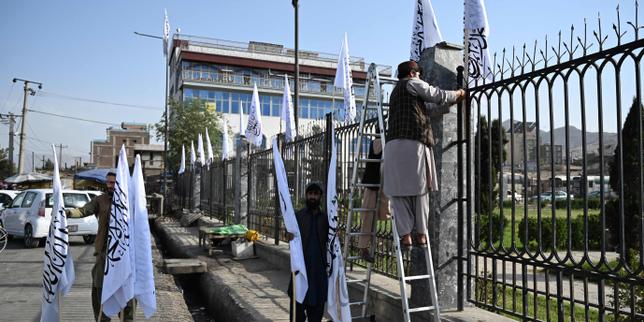
You're watching a quiet diplomatic normalization happen in real time. Regional powers and Western nations alike are finding reasons to open doors that were slammed shut back in 2021. Trade delegations whisper behind closed doors. Embassies reopen under different titles. It's a pragmatic scramble for security and economic influence, even if diplomatic recognition remains officially off the table.
The Reality of De Facto Engagement
Diplomacy rarely follows a straight moral line. Nations need security guarantees, counter-terrorism cooperation, and trade routes. When a group holds absolute power over a country, other governments face a stark choice. Do they isolate the regime completely, or do they deal with the people actually running the country? Most capitals are choosing the latter, bit by bit.
Look at Central Asia and the Gulf states. They share immediate geographic and economic stakes. Qatar has hosted political offices for years. Pakistan manages complex border dynamics. China looks at mineral wealth and security buffers against regional militants. Russia maintains high-level diplomatic contacts despite official terrorist designations on paper.
Western countries face a tougher public relations hurdle. Voters remember the chaotic withdrawal. Yet, consular services, humanitarian aid distribution, and counter-narcotics cooperation require some level of working relationship. Officials from European nations and the United States hold quiet talks in Doha and Kabul. They call them technical meetings, but the line between technical coordination and de facto recognition blurs every single day.
Why Economic Pressures Drive Compromise
Sanctions freeze billions in central bank reserves, but economic survival forces hard compromises on the ground. Afghanistan remains an acute humanitarian crisis. Millions face food insecurity daily. International aid organizations need operational freedom to deliver food and medical supplies.
Working with de facto authorities is the only way to keep aid pipelines open. But money flows both ways. Informal trade networks thrive across borders. Neighboring economies depend on cross-border commerce, electricity exports, and transit routes stretching toward South Asia. Governments weigh the ethical cost of cooperation against the immediate danger of a total economic collapse right in their backyard.
"Pragmatism in foreign policy always wins over isolation when borders are shared and security is at stake."
💡 You might also like: The Diplomatic Theatre of Delay Why Iran Has Already Won the Negotiation
The Human Cost Behind Closed Doors
Diplomats negotiate in air-conditioned rooms while the reality for ordinary Afghan citizens deteriorates. Women and girls face sweeping restrictions on education and employment. Civil society has been crushed. When foreign ministers shake hands with Taliban officials or negotiate airport security contracts, they send a silent message to the population. Survival trumps basic freedoms in the calculus of international relations.
Activists inside and outside the country feel abandoned. They argue that normalizing relations without demanding concrete rollbacks of oppressive decrees legitimizes systemic discrimination. Governments reply that isolation achieved nothing for human rights over the past few years. Both arguments carry weight, which is exactly why the policy debate is so fractured.
What Regional Powers Want From Kabul
Every neighboring country has a distinct checklist.
- Security: Stopping cross-border attacks by regional militant splinter groups.
- Economics: Securing trade corridors and tapping into untapped natural resources.
- Migration: Managing refugee flows and preventing mass displacement crises.
China cares deeply about security along its narrow border and potential safe havens for separatist fighters. They want stability above all else, making them prime candidates for formal economic partnerships. Iran fights daily battles over water rights and drug trafficking across its eastern frontier. They have no choice but to negotiate with whoever holds the ports of entry.
The Dangerous Illusion of Stability
There is a big difference between quiet submission and genuine stability. Authoritarian control keeps street protests down, but it breeds long-term instability. Underground resistance movements exist. Economic mismanagement runs rampant. Brain drain has stripped the nation of doctors, engineers, and teachers.
Foreign governments betting on long-term predictability from the current leadership are taking a massive gamble. Ideological factions within the movement often clash over governance style and international outreach. A sudden internal power struggle could upend years of careful diplomatic maneuvering in a single afternoon.
How to Track the Real Shifts
Stop listening to public press releases. Diplomatic spin always sounds clean and cautious. Instead, watch the movement of cargo trucks across borders, track the issuance of visas, and look at which countries are upgrading their diplomatic missions from temporary liaison offices to full embassies.
Economic agreements tell the real story. When foreign firms sign extraction deals or infrastructure pacts, the era of total isolation is officially over, regardless of what politicians say on television. Keep your eyes on regional summits where Kabul's representatives secure seats at the table. That is where the actual map of the future is being drawn.