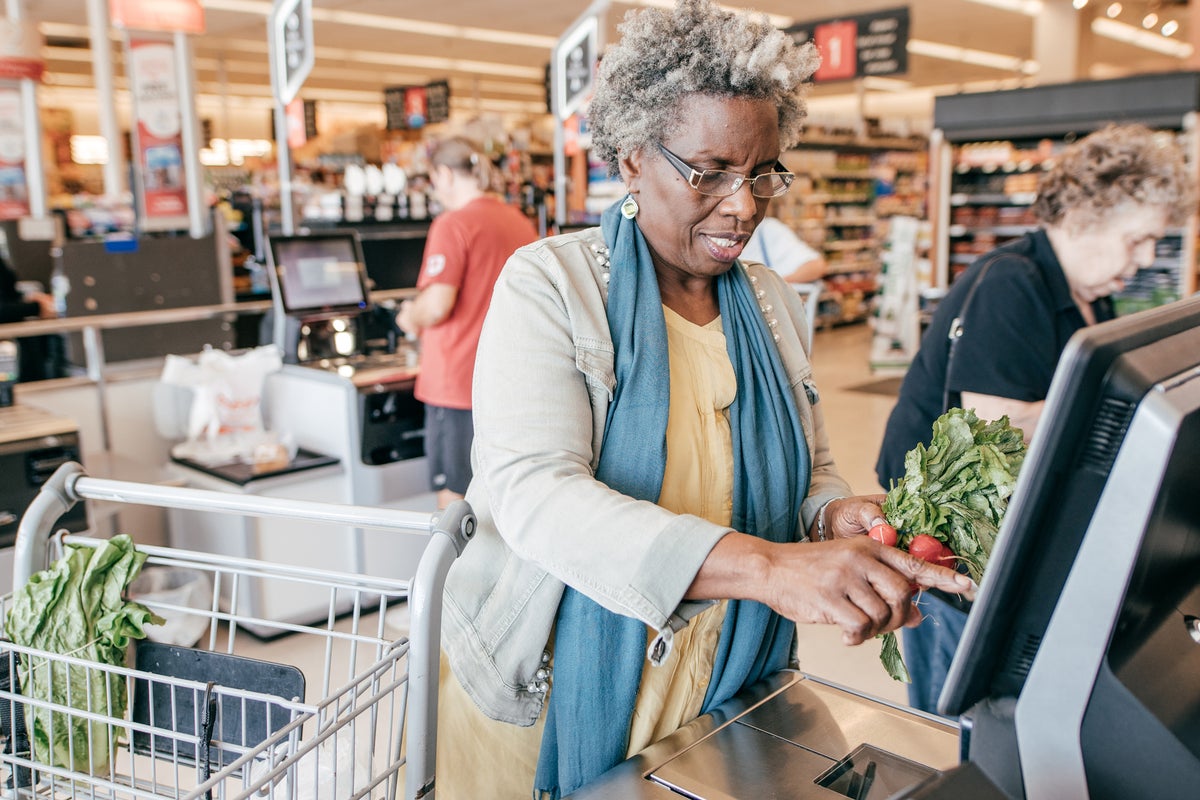
New York City is finally hitting the breaking point with self-checkout. If you’ve spent any time at a Stop & Shop or a Wegmans lately, you know the drill. You stand behind someone trying to scan a full cart of loose produce while the machine screams about an unexpected item in the bagging area. It’s a mess. Now, the City Council is looking at a bill that would cap these DIY kiosks at 15 items.
The proposal isn't just about making lines move faster. It’s a direct response to a retail experiment that many feel has failed both workers and shoppers. Council Member Council Member Sandy Nurse, who is spearheading the legislation, argues that we've let automation run wild at the expense of actual human jobs and basic store security. If this passes, the days of wheeling a 50-item haul to a computer screen are over.
Why the 15 Item Limit Makes Sense for NYC
Retailers originally sold us on self-checkout as a convenience. It was supposed to be the "express lane" of the future. Instead, it became a way for big chains to slash payroll while offloading the labor onto you. We became unpaid cashiers.
The proposed 15-item limit targets the core of the frustration. When someone tries to process a weekly family grocery run through a machine designed for a gallon of milk and a bag of chips, everything breaks down. Software glitches. Weight sensors fail. The single "attendant" assigned to ten machines gets overwhelmed. By capping the items, the City Council wants to force these machines back into their original role as true express outlets.
This isn't just about your patience in line. It's about retail math. Stores have seen a massive spike in "shrink"—the industry term for theft and errors. When people scan their own stuff, things go missing. Sometimes it’s intentional. Often, it’s just a mistake because scanning 40 items is tedious and the interface is clunky. By pushing large orders back to human cashiers, stores actually see more accurate inventory counts. It turns out humans are better at being humans than tablets are.
The Fight for Retail Jobs and Human Interaction
Labor unions are a massive force behind this bill. Organizations like the United Food and Commercial Workers (UFCW) have been ringing the alarm for years. Every four self-checkout machines usually replace at least two or three full-time cashier positions. In a city like New York, those are vital entry-level jobs with benefits.
I’ve talked to supermarket staff who feel like they’ve been turned into "security guards who scan coupons." They aren't engaging with customers anymore. They're just patrolling a bank of glowing screens. This bill would mandate that stores maintain a certain ratio of staffed lanes. It’s an attempt to legislatively preserve the human element of commerce.
New York wouldn't be the first to move in this direction. We’re seeing a national vibe shift. Brands like Dollar General and even some Walmart locations have started pulling back on self-checkout or implementing similar 15-item caps. They realized that the savings on labor weren't worth the losses in theft and the dip in customer satisfaction. New York is just trying to codify what the market is already starting to admit: total automation was a mistake.
Dealing with the Retail Ghost Town Effect
Have you noticed how empty some stores feel even when they’re packed? That’s the ghost town effect. You walk in, grab your stuff, beep it yourself, and walk out without acknowledging another soul. It’s efficient, sure, but it’s also isolating.
The City Council bill explores the idea that grocery stores are "essential infrastructure." They aren't just warehouses for food; they're community hubs. When you remove the cashiers, you remove the eyes on the street. You remove the person who notices if an elderly neighbor looks confused or if a teenager is struggling.
Critics of the bill say it’s government overreach. They’ll tell you that stores should be free to run their business however they want. But New York has a long history of regulating how businesses interact with the public space. We regulate their trash, their noise, and their footprint. Regulating how they treat their labor force and their customers is a natural extension of that.
How This Changes Your Grocery Run
If this bill becomes law, your shopping habits will have to shift. You won't be able to "sneak through" with a full basket just because the human line looks long.
- Plan for the Staffed Lane: If you're doing the "big shop," you're going to a human. Period.
- Expect More Staff: Stores will be forced to actually hire people again. You might see shorter waits for full service.
- Tech for Express Only: Self-checkout will finally be what it was meant to be—a quick stop for the essentials.
The pushback from the New York State Food Industry Alliance is already starting. They argue that in a tight labor market, finding people to fill these roles is hard. But advocates argue the roles are hard to fill because the pay hasn't kept up with the cost of living in the five boroughs. If stores are forced to provide these jobs, they might have to actually compete for workers again.
The Reality of Retail Theft
Let's be real about why stores might actually secretly love this bill. Theft at self-checkout is rampant. People "forget" to scan the bottom of the cart. They enter the code for cheap onions when they're buying expensive organic shallots. It's called "banana tricking."
Retailers are losing billions. Some estimates suggest that stores with heavy self-checkout usage have loss rates 50% higher than traditional stores. By limiting the items, the city is basically helping stores save themselves from their own bad ideas. A 15-item limit makes it much harder to hide high-value items in a sea of groceries. It puts the "high-risk" transactions back in front of a trained professional who knows the difference between a Honeycrisp and a Gala apple.
What Happens if the Bill Fails
If New York doesn't pass this, expect the "kiosk-ification" of the city to accelerate. We’ll see more stores where the only human is a security guard at the door. We’ll see more errors, more frustrated shoppers, and fewer jobs.
This bill is a line in the sand. It’s New York saying that some things shouldn't be fully automated. It’s a recognition that the "efficiency" of tech often just shifts the burden to the consumer while hollowing out the middle class.
Keep an eye on the City Council's Committee on Consumer and Worker Protection. They're the ones holding the keys to this. If you’re tired of being an unpaid employee every time you need eggs and bread, it might be time to let your representative know.
Start looking at the lane signs next time you're at the store. The "15 Items or Less" sign might soon be the law of the land rather than just a polite suggestion. Prepare to actually talk to a cashier again. It might be the best thing to happen to NYC retail in a decade.
For now, the best move is to vote with your feet. If a store doesn't have enough staffed lanes, leave a review or speak to a manager. The more we tolerate the "DIY" model for large orders, the less incentive companies have to change. If you have more than 15 items, head to a human-staffed register today and show the supermarkets that people still matter.