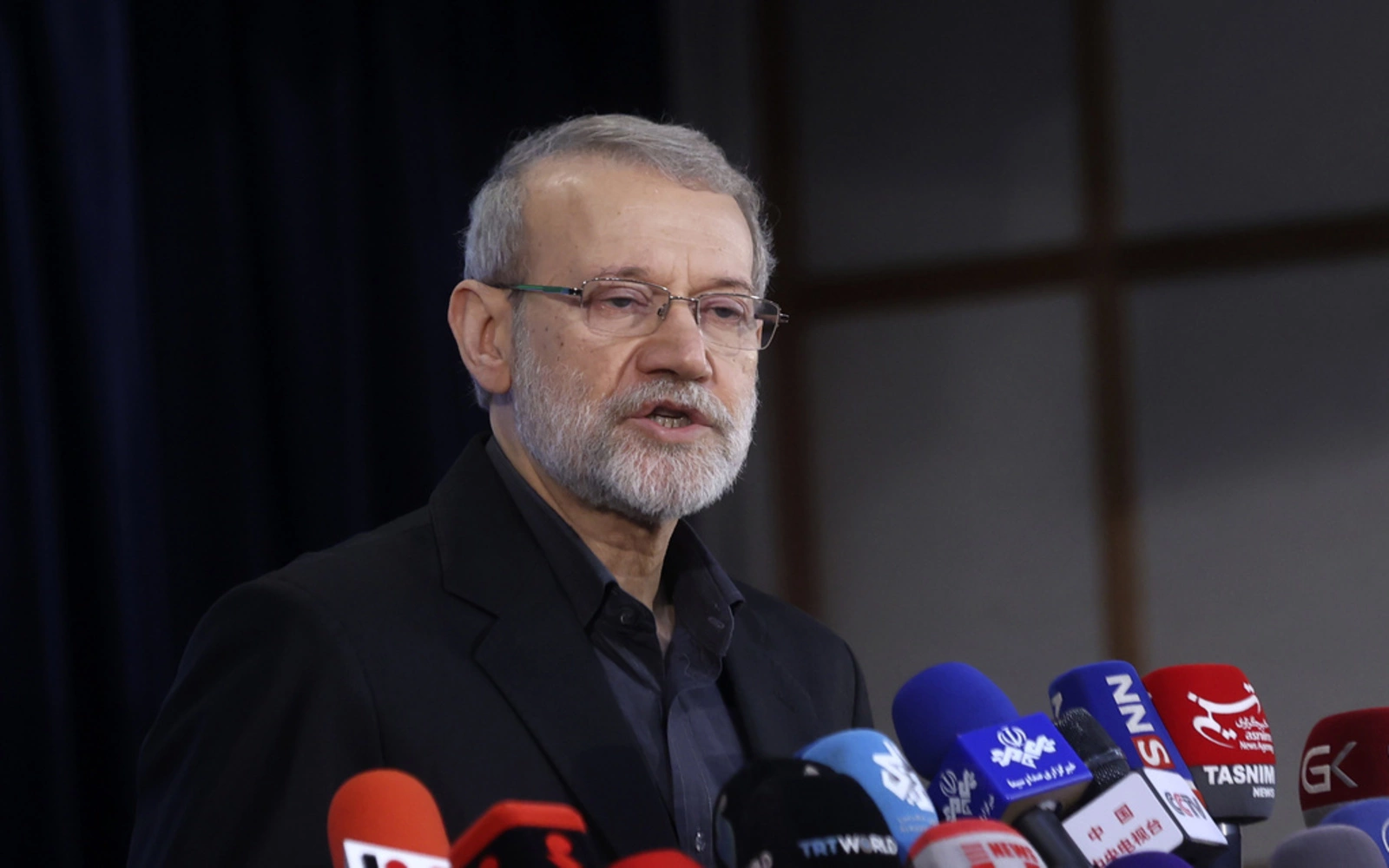
Argentina has officially severed its ties with the World Health Organization. The move, finalized on March 17, 2026, completes a one-year exit process initiated by President Javier Milei. By walking away from the Geneva-based agency, Argentina becomes the first major Latin American nation to mirror the path taken by the United States under Donald Trump. Foreign Minister Pablo Quirno confirmed the exit was processed within the strict timeframes required by international treaties, effectively ending a membership that dated back to the organization's founding in 1948.
This is not a sudden tantrum. It is a calculated, ideological divorce that resets how the Global South interacts with international governance.
While the headline suggests a simple following of the American lead, the mechanics behind Buenos Aires' departure are deeply rooted in a domestic "chainsaw" policy. Milei is not just looking for a new ally in Washington; he is dismantling a multilateral system he views as a "nefarious" instrument of social control. The official narrative centers on the mismanagement of the COVID-19 pandemic, but the deeper investigative reality points to a total rejection of supranational authority in favor of a fragmented, bilateral world.
The Sovereign Health Experiment
The administration in Buenos Aires argues that the WHO failed its primary test during the pandemic. Chief of Staff Manuel Adorni has repeatedly pointed to the "longest lockdown in human history" experienced by Argentina under the previous government—a strategy he claims was fueled by WHO recommendations. The current leadership views these guidelines not as scientific advice, but as political tools that crippled the economy.
There is a hard financial edge to this sovereignty. Argentina has historically contributed roughly $8 million to the WHO base budget every two years. In the context of Milei’s aggressive austerity, every dollar sent to a foreign bureaucracy is seen as a dollar stolen from the Argentine recovery. The government’s stance is blunt: the WHO’s "prescriptions" do not work because they are dictated by political influence rather than rigorous, independent science.
By leaving, Argentina intends to reallocate its health diplomacy toward the Pan American Health Organization (PAHO). This is a crucial nuance often missed. Argentina is leaving the global body but staying within the regional one. This "half-exit" allows the country to maintain local technical cooperation while refusing to fund or follow the mandates coming from Geneva. It is a gamble that regionalism can replace globalism without losing the safety net of international outbreak monitoring.
A New Axis of Health Diplomacy
The timing is far from coincidental. The formalization of the exit comes just months after the United States completed its own withdrawal in January 2026. The two nations are already laying the groundwork for what they call an "alternative international health system."
In May 2025, U.S. Health and Human Services Secretary Robert F. Kennedy Jr. and Argentine Health Minister Mario Lugones issued a joint statement that served as a manifesto for this new movement. They described a future where health cooperation is "free from totalitarian influence" and grounded in "gold-standard science."
This alternative system aims to focus on:
- Bilateral data sharing agreements that bypass UN bureaucracy.
- Decentralized vaccine procurement strategies.
- National sovereignty over public health lockdowns and mandates.
Critics, however, warn that this fragmentation is dangerous. The International Relations Institute of the National University of La Plata has noted that exiting the WHO weakens the "multilateralism" required to manage pathogens that do not respect borders. If a new avian flu or a mutated respiratory virus emerges, Argentina may find itself at the back of the line for global sequencing data and diagnostic tools.
The Science versus Politics Deadlock
The Milei administration has accused the WHO of shifting its focus from disease prevention to "social engineering." Specifically, Argentine officials have joined the U.S. in criticizing the agency’s guidelines on gender identity and reproductive rights. They argue these are cultural issues that should remain under national jurisdiction, not global health mandates.
This is where the investigative trail leads to the heart of the "New Right" philosophy. For Milei, the WHO represents the "Davos elite"—a group of unelected officials making decisions that impact the lives of millions. By withdrawing, he is signaling to his base that the era of Argentina being a "vassal" to international organizations is over.
However, the practical reality of public health is rarely so clean. Argentina still relies on international standards for pharmaceutical approvals and food safety. Total isolation is impossible. The government’s plan to rely on "bilateral agreements" assumes that other countries will be willing to negotiate separate health pacts with a nation that has rejected the primary global arbiter of health.
The Vacuum in Geneva
The exit of both the U.S. and Argentina has created a massive liquidity crisis for the WHO. With a projected $1.8 billion gap for the 2026-2027 cycle, Director-General Tedros Adhanom Ghebreyesus has already been forced to slash the base budget by 20%.
This retreat by Western-aligned powers creates a vacuum. If the U.S. and its allies like Argentina leave the table, other powers—most notably China—are likely to fill the void. This irony is not lost on seasoned diplomats in Buenos Aires. While Milei and Trump seek to escape "political influence," their departure may inadvertently hand the keys of global health governance to the very competitors they seek to distance themselves from.
Argentina is now a test case. It is a laboratory for whether a medium-sized power can navigate the complexities of 21st-century medicine while standing entirely outside the tent. The government believes it is protecting its people from "social experiments." The scientific community fears the country has just become the subject of a much larger and more dangerous one.
The withdrawal is final. The notification was sent a year ago, the clock ran out, and the seat in Geneva is empty. Whether this leads to a "golden age of sovereign science" or a breakdown in pandemic preparedness will be determined by the next crisis. Argentina has bet its future on the idea that it is better to be alone than to be led.
Would you like me to analyze the specific impact this withdrawal will have on Argentina's vaccine procurement contracts for the 2026 flu season?