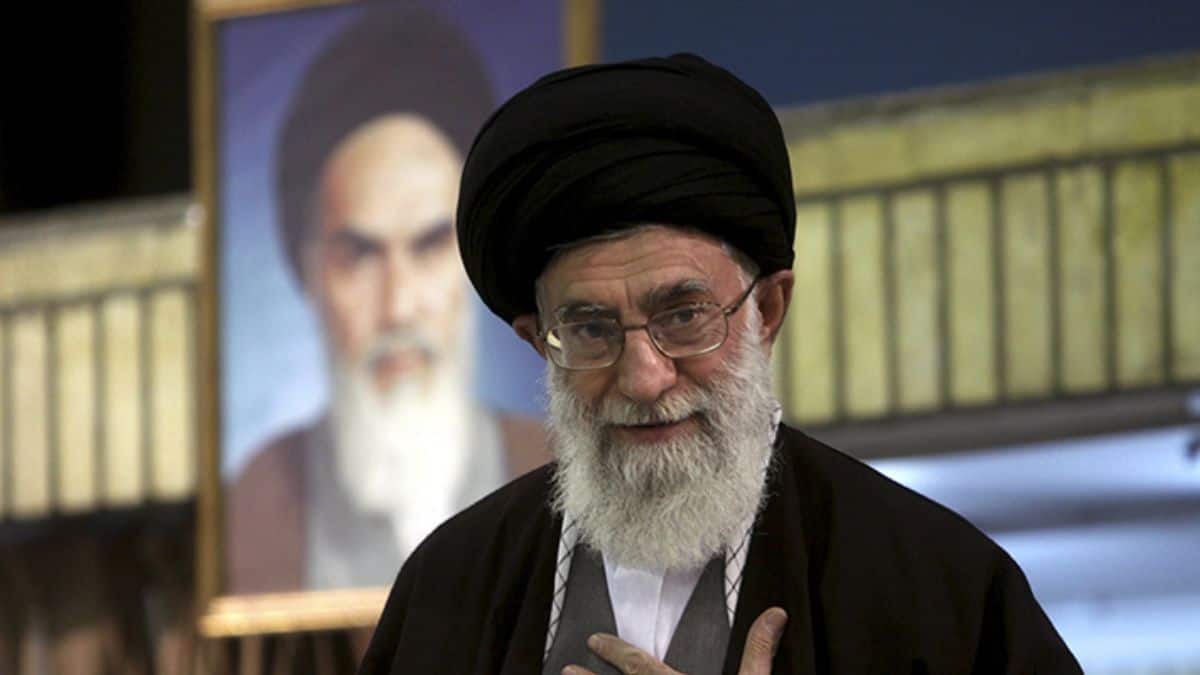
The Middle East just hit a point of no return. On February 28, 2026, a massive daylight airstrike leveled a leadership compound in the heart of Tehran. By the next morning, the unthinkable was official. Ayatollah Ali Khamenei, the man who ruled Iran with an iron grip for 37 years, is dead.
This wasn't some shadowy accident. It was a "precise, large-scale operation" carried out by the Israeli Air Force with heavy backing from the United States. They didn't just target a building; they targeted the head of the "Iranian octopus." Now, the world is watching a nuclear-capable nation grapple with a vacuum it hasn't seen since 1989.
The Moment the Screen Broke
If you want to understand the visceral shock inside Iran’s state apparatus, look at the footage from Press TV. Maryam Azarchehr, a veteran anchor, didn't just report the news; she crumbled. Watching a state-sanctioned voice lose her composure on air tells you everything about the regime's current state of mind.
"Revenge is coming," she managed to choke out between visible pauses. "They will see what they have done."
She wasn't just reading a script. She was channeling the raw, sanctioned fury of a government that feels its very foundation has been yanked away. By framing Khamenei’s death as the "Martyrdom of the Guardian," the state is trying to turn a massive military defeat into a spiritual rallying cry. They’ve declared 40 days of mourning—a timeframe deeply rooted in Shia tradition—to buy themselves enough room to figure out who’s actually in charge.
A Nation Split by Fire
While state television broadcasts images of grief-stricken pilgrims at the Imam Hussein Shrine, the reality on the streets is far more complicated. Iran is a pressure cooker.
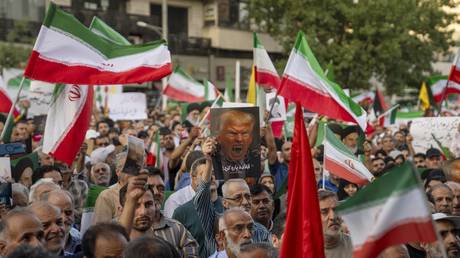
In some neighborhoods in Tehran and Karaj, people actually took to their balconies to celebrate. You’ve got a generation of Iranians who remember the brutal crackdowns of 2022 and January 2026. For them, this isn't a tragedy; it’s a chance. I’ve seen reports of people handing out tea in Arak and students on motorbikes in Mashhad—Khamenei’s own hometown—cheering the news.
But don't mistake celebration for stability.
Many others are terrified. They’ve seen what happened in Iraq and Syria. They’re hunkering down as the Basij paramilitary sets up checkpoints every few blocks. One mother in Tabriz told reporters her children are shaking, and they have nowhere to go. It’s a country caught between the hope of a new era and the very real fear of a total collapse into civil war or an even more brutal military junta.
The Strike That Changed Everything
This wasn't a standard midnight raid. Israeli jets dropped 30 bombs on the compound at 8:10 am. Doing it in broad daylight was a deliberate message of total dominance.
According to reports from the New York Times and the Associated Press, the CIA helped pinpoint the exact moment senior leaders were gathered. It wasn't just Khamenei. His daughter, son-in-law, and grandchild were also killed. Estimates suggest 48 leaders were wiped out in that opening salvo.
Donald Trump, writing on Truth Social, called it "justice" and claimed the strikes would continue "uninterrupted" until his objectives were met. Whether you like the man or not, the message is clear: the U.S. and Israel have moved past "containment" and are now actively pursuing regime change.
The Impossible Succession
Who takes over now? That’s the multi-billion-dollar question.
Iran’s constitution says the Assembly of Experts has to pick a successor. But they’re trying to do this in the middle of a war. Normally, names like Mojtaba Khamenei (the late leader’s son) would be at the top of the list. But Mojtaba lacks the religious credentials his father—and certainly Ayatollah Khomeini—possessed.
The real power likely sits with the Islamic Revolutionary Guard Corps (IRGC). They control the economy and the missiles. If the transition doesn't happen in a few days, expect the IRGC to stop pretending they aren't the ones running the show.
What Happens Tomorrow
Iran has already started firing back. Missiles have hit Tel Aviv and several Arab states, including the UAE and Kuwait. The IRGC is vowing that the "pure blood" of their leader will uproot the U.S. and Israel.
We’re not just looking at a local conflict anymore. We’re looking at a regional war that could last weeks or months. The price of oil is already twitching, and the diplomatic lines at the UN are basically on fire.
If you’re tracking this, watch the 40-day mourning period. The first week is about survival. The following weeks will reveal if the Iranian people actually rise up as Netanyahu and Trump have urged, or if the IRGC doubles down on a military dictatorship to keep the lid on the pot.
Keep your eyes on the border movements in Lebanon and Yemen. If Hezbollah and the Houthis go all-in to avenge their "godfather," the "revenge" Azarchehr promised on air will become a reality for the entire globe.