Don't let the headlines about peace talks fool you. On the ground in the Middle East, the reality is much more violent than the optimistic posts coming out of Mar-a-Lago. While President Trump insists that Tehran is "begging" for a deal, the skies over Isfahan and Bnei Brak are filled with high explosives. This isn't just a diplomatic disconnect; it’s a high-stakes game of chicken where one side is talking about a 15-point peace plan while the other is digging in for a long-term war of attrition.
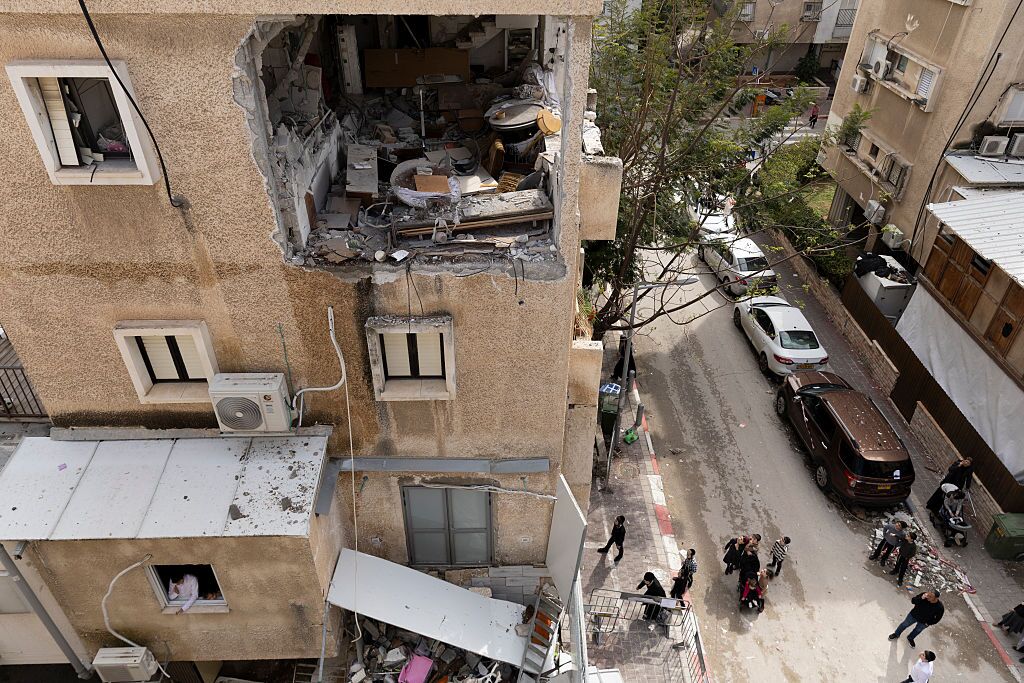
The conflict, which kicked off on February 28 with the massive "Operation Epic Fury," has entered its most chaotic phase yet. We're seeing a bizarre split screen. On one side, you have Trump and his envoys, Steve Witkoff and Jared Kushner, claiming they’ve found "major points of agreement" with a regime they recently tried to decapitate. On the other side, the Israel Defense Forces (IDF) are leveling arms factories in Isfahan, and Iranian ballistic missiles are slamming into central Israel. It's messy, it's contradictory, and it's making the global oil market lose its mind.
The Disconnect Between Mar-a-Lago and Tehran
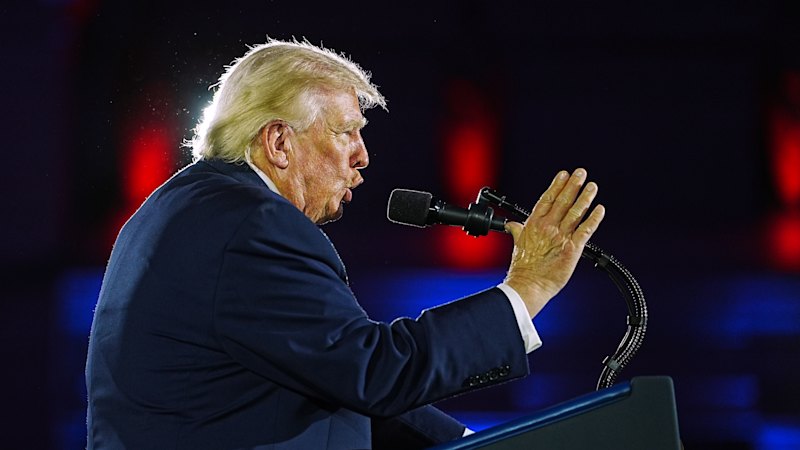
Trump’s rhetoric has always been about the "art of the deal," but applying that to a hot war with Iran is a different beast entirely. On Thursday, Trump doubled down on Truth Social, telling Iran they better "get serious soon" because once the window closes, there’s no turning back. He seems convinced that the military pressure—which includes the assassination of Supreme Leader Ali Khamenei at the start of the campaign—has brought Iran to its knees.
But if you listen to Tehran, you get a completely different story. Iranian Foreign Minister Abbas Araghchi isn't just denying the talks; he’s calling them "fake news" meant to manipulate oil prices. He recently stated on state TV that "speaking of negotiations now is an admission of defeat." For the Iranian leadership, especially under the new Supreme Leader Mojtaba Khamenei, maintaining the "policy of resistance" is the only way to stay relevant. They aren't just fighting Israel; they're fighting for their own survival against a population that has been protesting them for months.
- The 15-Point Proposal: The U.S. reportedly sent a plan that demands Iran abandon its nuclear program and reopen the Strait of Hormuz in exchange for sanctions relief.
- Tehran’s Counter: Iran has laid out five of its own conditions, but they’ve publicly refused to acknowledge any direct face-to-face meetings with American officials.
- The Messenger: Pakistan’s Foreign Minister Ishaq Dar confirmed that indirect talks are happening through Islamabad, essentially playing a game of "telephone" between two sides that refuse to sit in the same room.
Israel Is Not Waiting for a Ceasefire
While the diplomats bicker over terms, the IDF is moving at a breakneck pace. Sources within the Israeli military suggest they are trying to "speed up" their targeting over the next 48 hours. Why? Because they’re afraid a ceasefire might be declared before they’ve finished dismantling Iran's arms production capability.
The killing of Alireza Tangsiri, the commander of the IRGC’s navy, in a recent airstrike is a clear signal. Israel isn't interested in a "good start" to negotiations if it means leaving the IRGC’s maritime threat intact. They've watched Iran effectively shut down the Strait of Hormuz to "enemies," sending Brent crude prices toward $100 a barrel. For Israel, the goal is "Operation Epic Fury" reaching its conclusion: the total degradation of Iran's ability to project power through proxies like Hezbollah.
The situation in Lebanon is just as grim. We’re looking at a full-scale ground invasion reaching up to the Litani River. More than a million people have been displaced, and the "buffer zone" Israel is carving out is becoming a permanent fixture of the landscape. It’s a brutal reminder that while Trump talks about "perfect" negotiations, the regional players are preparing for a "prolonged" fight.
Economic Fallout and the Strait of Hormuz
You can't talk about this war without talking about the 20% of the world's oil that passes through the Strait of Hormuz. Iran’s de facto selective blockade has created a global energy crisis that is hitting Asian markets the hardest. Iran is reportedly asking for fees from vessels just to cross the strait—a move that the Gulf Cooperation Council (GCC) has slammed as illegal.
The economic pressure is exactly what Trump is using as his primary leverage. He’s already signed executive orders to slap tariffs on any country that buys so much as a rug from Iran. He thinks he can starve the regime into a signature. But the "horizontal escalation" strategy used by Iran—striking U.S. bases in Kuwait and Bahrain—is designed to make the war too expensive for the West to continue. They’re betting they can outlast the American political appetite for another "forever war."
What to Watch Next
If you’re trying to track where this goes, don't just watch the Truth Social posts. Watch the flight paths of Israeli F-35s and the movements of the USS Abraham Lincoln. The next 48 hours are critical. If the IDF successfully hits the remaining missile production sites in Tehran, they might feel they’ve achieved enough to let the diplomats take over. If Iran manages another successful strike on Tel Aviv, the "15-point plan" will be nothing more than a scrap of paper.
Check the oil price tickers at the start of the next trading session. If Brent crude crosses the $100 mark, expect the pressure on Trump to reach a "deal at any cost" to intensify, regardless of whether Tehran is actually at the table. You should also keep a close eye on the GCC’s next move, as they are now demanding a seat at the table for any final agreement. They don't want a repeat of the 2015 deal that they felt ignored their security concerns. Stop looking for a "peace process" and start looking for the next military objective. That’s where the real news is happening.