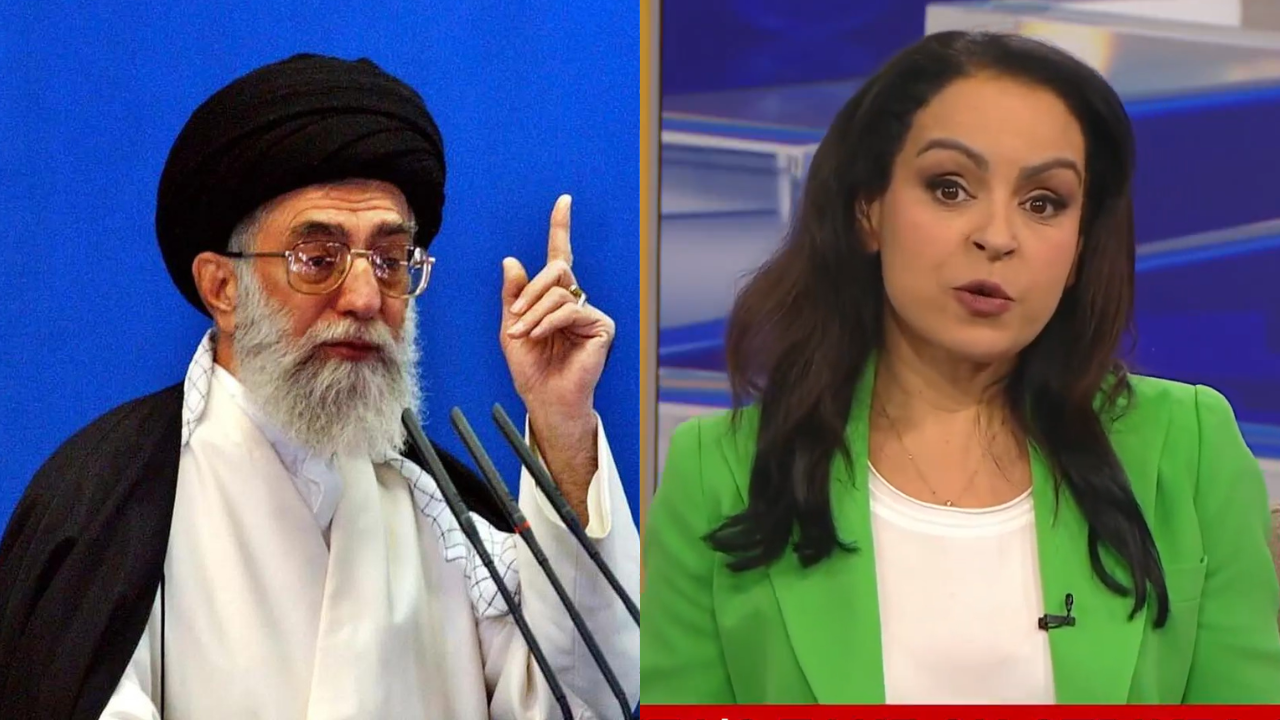
The reports hit the wires with the practiced rhythm of a psychological operation. On Monday, March 2, 2026, the Islamic Revolutionary Guard Corps (IRGC) declared it had successfully struck the office of Israeli Prime Minister Benjamin Netanyahu in Tel Aviv using Kheibar ballistic missiles. Iranian state-run media, including the Fars news agency, quickly amplified the claim, suggesting the "fate of the criminal prime minister" was shrouded in ambiguity. It was a narrative designed to suggest a decapitation strike in the heart of the "Zionist regime," timed perfectly to project strength following the Saturday airstrikes that claimed the life of Supreme Leader Ayatollah Ali Khamenei.
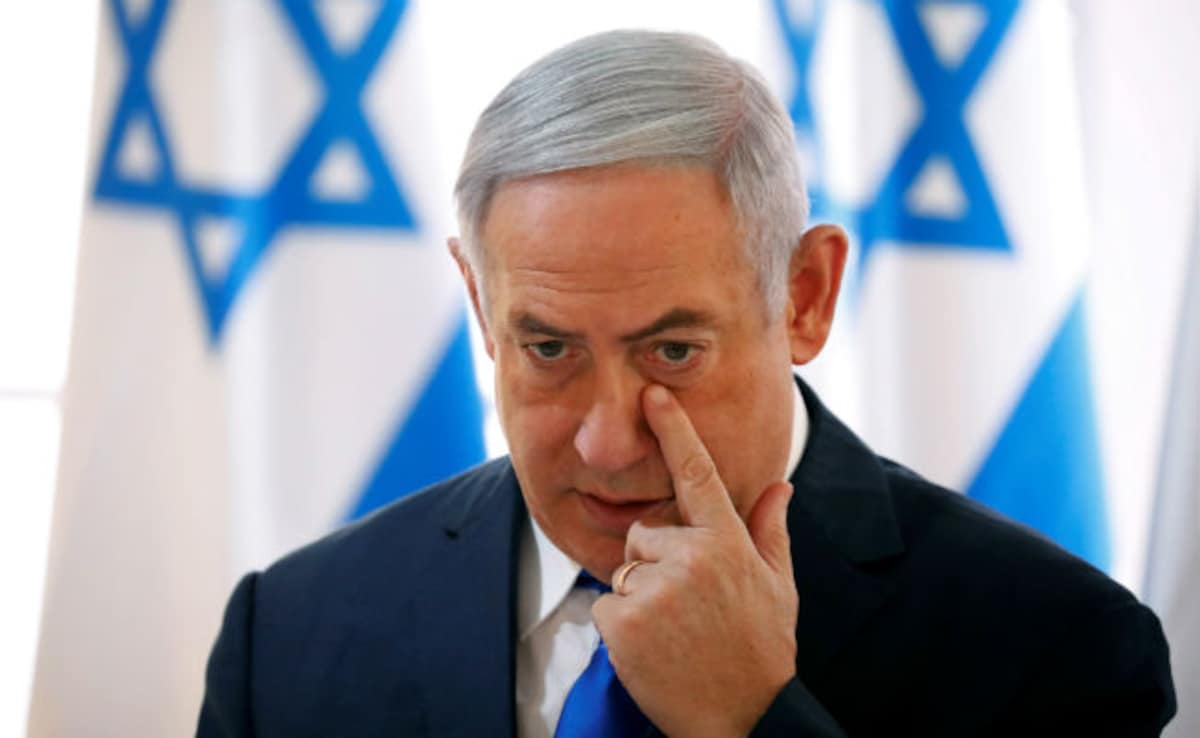
But the reality on the ground in Tel Aviv told a different story. Within hours, Netanyahu appeared in public at a missile impact site in Beit Shemesh—miles from his office—to deliver a televised address. The Prime Minister's Office (PMO) dismissed the Iranian claims as "fake news," and independent observers in the capital reported no sirens or impacts near the government compound. What we are witnessing is not a shift in the kinetic war, but the desperate escalation of a performance war.
The Architecture of the Kheibar Bluff
The IRGC’s choice of the Kheibar (Khorramshahr-4) missile for this claimed strike was a calculated piece of branding. The Kheibar is a liquid-fueled beast with a 2,000 km range and a massive 1,500 kg warhead. On paper, its "hypersonic" mid-course speeds and maneuverable re-entry vehicles (MaRVs) are supposed to make it the "Iron Dome killer." By claiming a direct hit on the PMO with this specific hardware, Tehran isn't just trying to kill a leader; it is trying to kill the market confidence in Israeli and American air defense systems.
In the reality of 2026, however, the gap between Iranian press releases and physical wreckage has never been wider. While Iran claims its "tenth wave" of strikes "severely hit" government centers, the Israel Defense Forces (IDF) tracked the launches and noted that the majority were either intercepted or fell into open areas. The IRGC's insistence that they hit the headquarters of the Air Force commander, Tomer Bar, similarly lacks any visual or structural evidence.
Why the Decapitation Narrative Matters Now
To understand why Tehran is lying so aggressively about a successful assassination, you have to look at the wreckage in Iran. The joint US-Israeli campaign that killed Khamenei on February 28 has left the Islamic Republic in a state of institutional vertigo. With interim Supreme Leader Alireza Arafi struggling to project the same aura of divine inevitability, the IRGC must produce "wins" to maintain domestic order and keep its "Axis of Resistance" from fraying at the edges.
- Internal Stability: Following the Mahsa Amini protests and the subsequent crackdowns, the regime is hyper-aware that perceived weakness leads to street-level insurrection.
- Proxy Assurance: Groups like Hezbollah, currently being pummeled in southern Lebanon, need to believe that Tehran can still reach out and touch the "head of the snake" in Tel Aviv.
- The Trump Factor: With the U.S. administration signaling a "maximum pressure" return, Tehran is using these claims to establish a high-stakes poker face before any potential (or forced) negotiations.
The Strategy of Saturation
While the "office strike" was a fabrication, the threat of missile saturation remains the primary concern for Israeli defense planners. Iran’s current strategy relies on the sheer volume of the Khorramshahr and Fattah series missiles to overwhelm the Arrow-3 and David’s Sling interceptors. Even if 95% of a 200-missile volley is neutralized, the remaining 5%—if armed with those 1,500 kg warheads—can cause catastrophic damage to civilian infrastructure.
This was evidenced by the tragic strike in Beit Shemesh, which killed nine people on Sunday. That strike was real. It left a crater. It produced bodies. The Iranian media's decision to pivot from that actual, horrific "success" to a fictional strike on the Prime Minister's office suggests that killing civilians is no longer enough for their propaganda machine; they need the symbolism of a fallen state.
The Regional Spillover
The fog of war is currently thickest in the Persian Gulf. As Iran claims "surprise attacks" on Israel, it is simultaneously paralyzing the Strait of Hormuz. On the same day as the PMO claim, a sixth commercial ship was targeted in the strait. This is the "scorched earth" version of diplomacy. By pairing fake news about Netanyahu’s death with real-world economic sabotage, Iran is attempting to force a global outcry for a ceasefire on its own terms.
The US response has been blunt. Following reports of American jets being downed in Kuwait—another claim Iran tried to claim credit for, despite the US attributing it to "friendly fire" from Kuwaiti defenses—President Trump warned of a force "never seen before." The region is no longer "navigating a crisis"; it is trapped in a feedback loop of hyper-escalation where a single miscalculation—or a successfully believed lie—could trigger a full-scale continental war.
Netanyahu's survival is, for now, a documented fact. He is using the failed or fictional Iranian attempts to galvanize support for a "change inside Iran," a phrase that is diplomatic shorthand for regime change. The IRGC’s propaganda may have been intended to demoralize the Israeli public, but by choosing a target as high-profile and easily verified as the Prime Minister’s office, they have only highlighted their own lack of credible options. When you have to lie about hitting the palace, it usually means you can't even get past the gate.