The ice in a crystal tumbler makes a specific sound when it hits the bottom of the glass. In the quiet, pressurized cabins of private jets banking over the Persian Gulf, that sound is the only thing competing with the low hum of the engines. Below, the horizon is a bruised purple, flickering with the kind of light that doesn't come from a sunset.
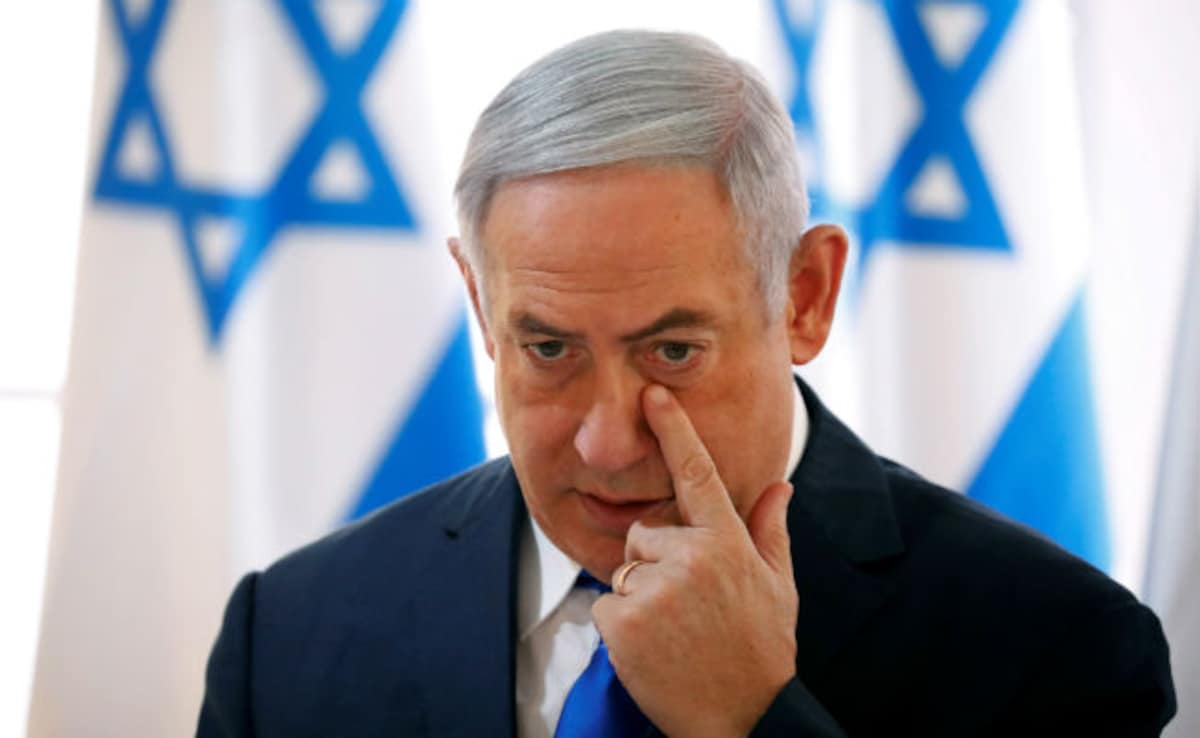
Geopolitics is often discussed in the abstract, measured in "sorties," "strategic assets," and "regional deterrence." But when the first reports of a joint US-Israeli strike on Iranian infrastructure hit the wires, the reality wasn't found in a situation room. It was found in the frantic, hushed phone calls made to concierge services and private airfield managers.
Riyadh was never supposed to be the destination. For the global elite who treat the world as a seamless map of luxury hubs, the Saudi capital was often a pitstop—a place for a meeting, a deal, or a signature. Now, it has become something else entirely. It is a sanctuary.
The Geography of Fear
Fear is a great equalizer, but wealth provides a better shock absorber. While the world watched grainy thermal footage of explosions near Isfahan and the outskirts of Tehran, a silent migration began. It wasn't a migration of the desperate, carrying their lives in plastic bags. This was a migration of the high-net-worth, the decision-makers, and the families whose names appear on the hulls of tankers and the mastheads of investment firms.
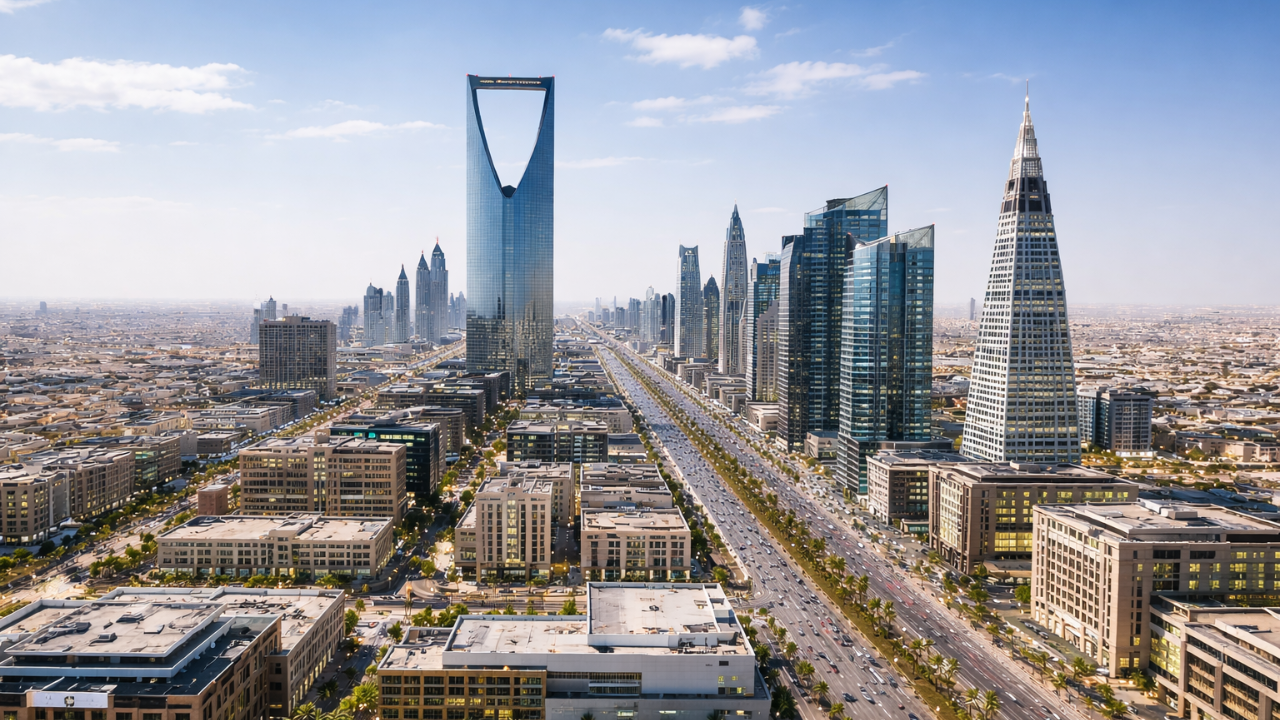
Riyadh sits in a unique topographical and political pocket. To the north and east, the sky is thick with the tension of a brewing regional conflict. Yet, inside the city limits, the cranes are still moving. The lights of the Kingdom Centre still pierce the dark like a silver needle.
Consider a man we will call Omar. He is a hypothetical composite of the dozens of regional directors and tech founders currently checking into the Ritz-Carlton or the Four Seasons. For Omar, the "strike" isn't a headline. It is the realization that his office in Dubai is suddenly too close to the flight paths of retaliatory drones. It is the calculation that his family’s villa in a neighboring coastal city is vulnerable to the shifting winds of a naval blockade.
He didn't pack a suitcase. He gave a command to a personal assistant. Within four hours, he was in the air.
The Logistics of a Safe Haven
Why Riyadh?
The answer lies in the shifting sands of Middle Eastern diplomacy over the last decade. The Kingdom has spent billions positioning itself not just as an energy titan, but as the "New Europe" of the sands. It has built an infrastructure of security that is as much about perception as it is about hardware. When the missiles fly elsewhere, the relative stability of the Saudi interior feels like a fortress.
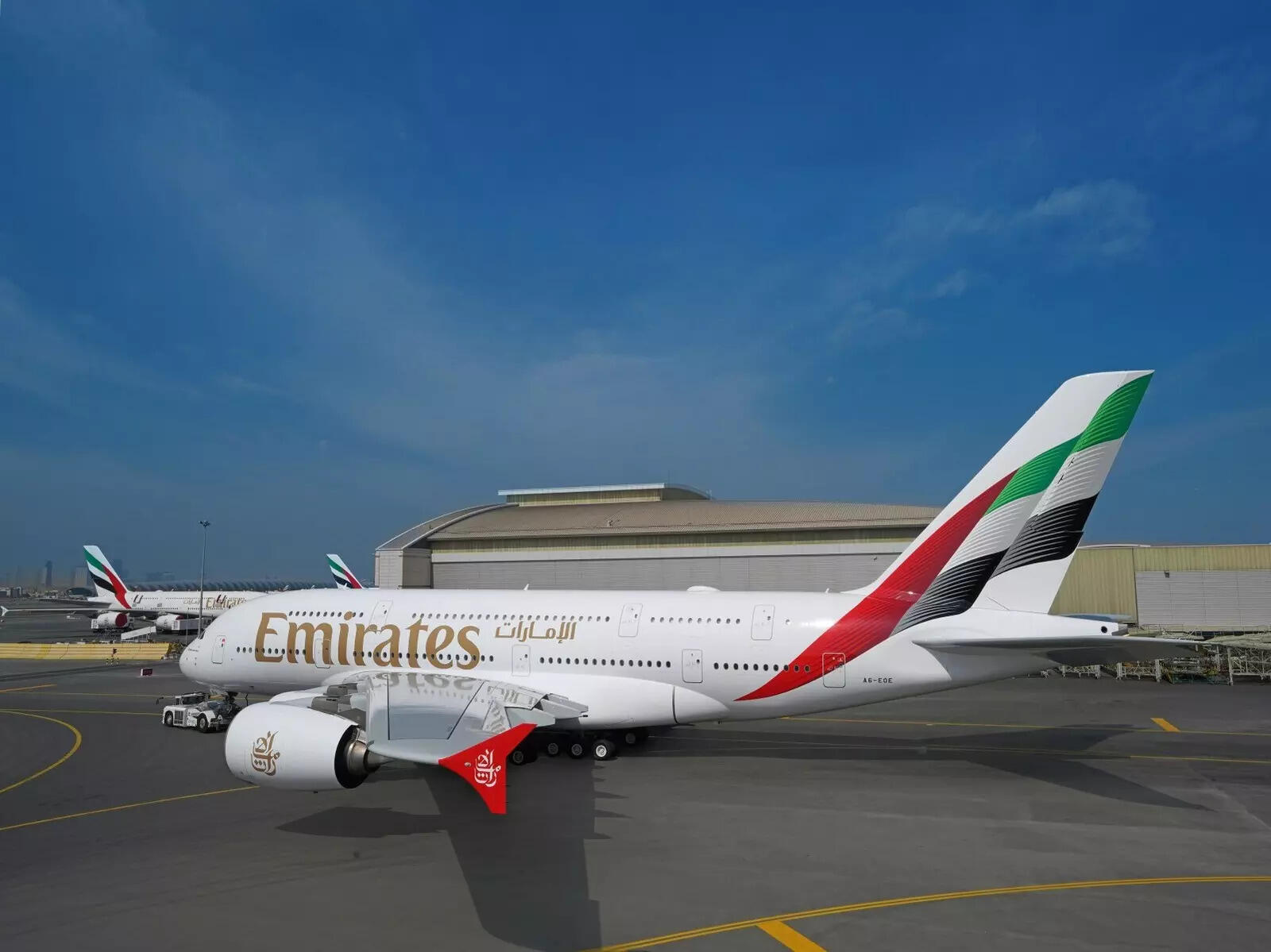
The influx of "conflict refugees" of the billionaire class has turned Riyadh into a surreal evacuation hub. The private terminals at King Khalid International Airport are witnessing a surge in traffic that rivals the busiest holiday seasons.
- Hangar space is at a premium, with Gulfstreams and Bombardiers parked wingtip to wingtip.
- Luxury hotel suites, usually reserved for visiting dignitaries, are being booked for "indefinite" stays.
- Private security firms are seeing a 300% increase in requests for armored transport and "discreet residential monitoring."
This isn't just about luxury. It is about the continuity of operations. For these individuals, Riyadh offers more than a bed; it offers a functioning stock exchange, high-speed fiber optics, and a government that has made it clear that business will proceed, regardless of the fire across the water.
The Invisible Stakes
The air in Riyadh feels different when a war starts next door. There is a frenetic energy beneath the polished surface. In the lounges, you see them: men and women in tailored linen, staring at their phones with a focused intensity. They aren't scrolling social media. They are watching the price of Brent Crude. They are monitoring the movements of the US Fifth Fleet.
The human element of a strike on Iran is often lost in the discussion of "regime change" or "nuclear capabilities." We forget about the thousands of expatriates and regional professionals who suddenly find themselves on the wrong side of a red line. For the wealthy, the "exit" is a logistical hurdle. For everyone else, it’s a gamble.
The disparity is jarring. While the wealthy move their capital and their families to the safety of the Saudi plateau, the average worker in the region watches the sky. The strike on Iran didn't just hit military targets; it hit the collective psyche of the Middle East. It reminded everyone that the "stability" we've enjoyed is a thin veneer, easily punctured by a few hours of coordinated aerial bombardment.
A City Transformed
Riyadh’s transformation into an evacuation hub is the culmination of a broader trend. The city is no longer just a capital; it is becoming a regional vault. When you walk through the Diriyah gate or the sprawling districts of North Riyadh, you see the fruits of Vision 2030. But today, those fruits serve a different purpose. The massive entertainment complexes and high-end dining strips are serving as a distraction for a panicked elite.
Imagine a dinner at a high-end restaurant in the Bujairi Terrace. The food is exquisite. The service is impeccable. But the conversation at the next table is about the range of an Iranian Fateh-110 missile. It’s about whether the Strait of Hormuz will be closed by morning.
The contrast is dizzying. One moment, you are discussing the latest venture capital round; the next, you are wondering if your assets in the Levant are about to be vaporized.
The Fragility of the Oasis
There is a myth that money can buy a total exit from history. The current surge into Riyadh suggests that people believe it. They think that by moving 500 miles inland, they can escape the consequences of a direct confrontation between the West and Tehran.
But history has a way of following you.
The strike is a catalyst. It has accelerated the decoupling of the regional economy. We are seeing a "flight to quality" that isn't about bonds or gold, but about physical geography. Riyadh is the "quality" in this equation. It is the big, stable rock in a sea of rising tides.
Yet, even a rock can be weathered. The sheer volume of people and capital pouring into the city creates its own set of pressures. Real estate prices in the diplomatic quarter are skyrocketing. The demand for high-end services is outstripping supply. More importantly, the political weight of hosting the region’s "displaced elite" puts the Saudi government in a delicate position. They are the hosts of a party they didn't necessarily want to throw, in a house that is suddenly the most popular spot on the block.
The Sound of the Shift
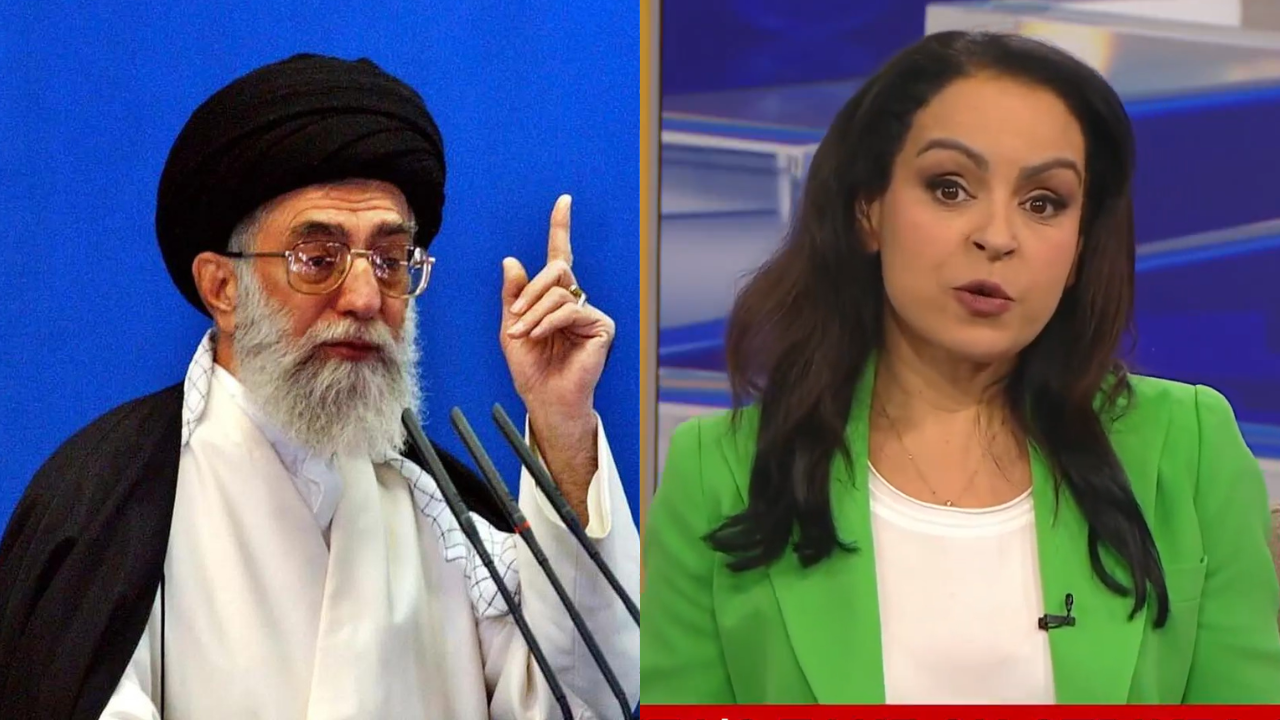
The strikes continue. The rhetoric from Washington and Jerusalem remains uncompromising. In Tehran, the response is measured in threats of "crushing" retaliation.
And in Riyadh, the ice continues to clink in the glasses.
The wealthy don't scream when they are afraid. They just move. They move their money, they move their kids, and they move their lives. The Saudi capital has become the ultimate waiting room. It is a place of gilded limbo, where people with everything to lose wait to see if the world they built is going to survive the night.
The sun sets over the desert, casting long, golden shadows across the runways of the private terminals. Another jet touches down. The stairs lower. A family steps out, blinking in the warm evening air. They are safe. For now.
But as they drive toward the city, they can't help but look back at the horizon, watching for a light that doesn't belong to the stars.
The silence of the desert used to be a comfort. Now, it feels like a countdown.