The light usually catches the dust motes in Sarah’s rearview mirror around 7:15 AM. It’s a quiet moment, the only time of day she isn’t being shouted at by a toddler or a spreadsheet. But this morning, the quiet is heavy. Her eyes don’t drift to the mirror; they are locked on the dashboard. The small, illuminated needle is hovering over the red arc of the fuel gauge.
Under normal circumstances, this is a minor chore. A five-minute detour. A swipe of a plastic card.
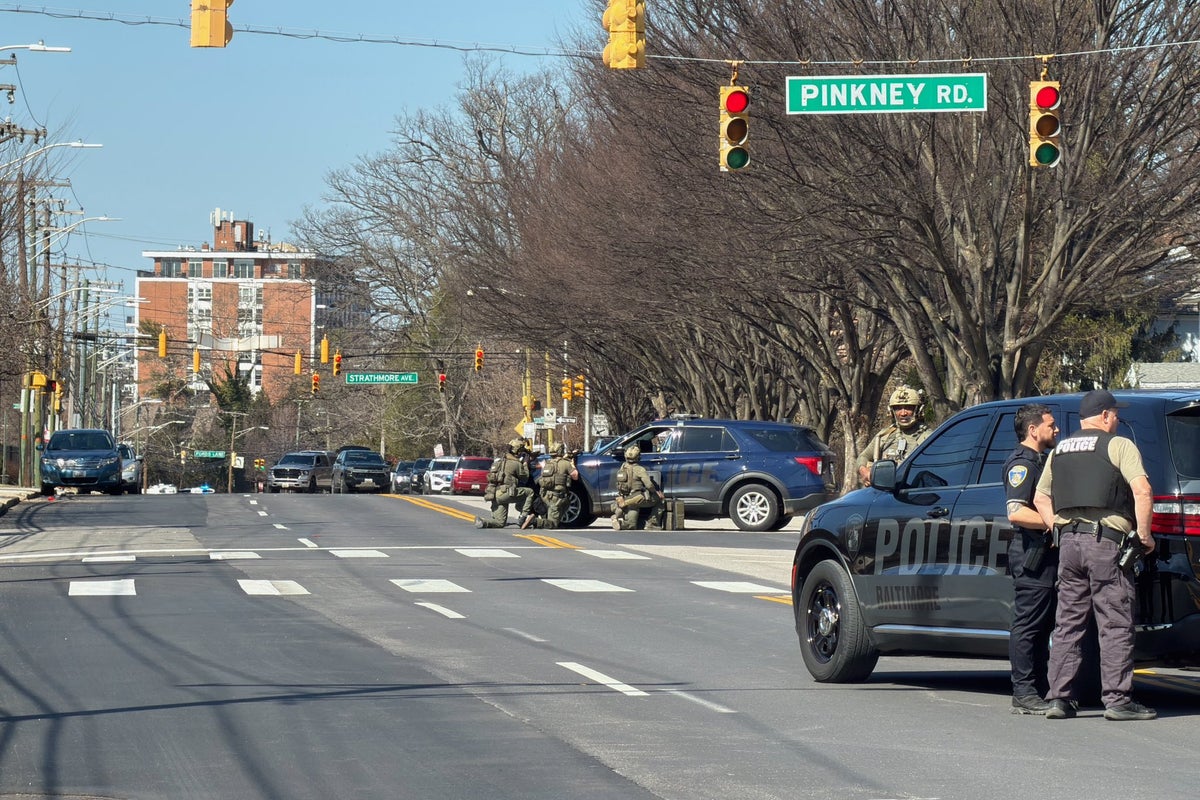
But as she pulls toward the station on the corner of 5th, she sees the line. It isn’t a queue; it’s a barricade. Twenty cars deep, engines idling—wasting the very thing they are desperate to buy—while the digital numbers on the tall plastic sign overhead flicker and jump. By the time Sarah reaches the pump, the price for a gallon of regular has climbed another twelve cents.
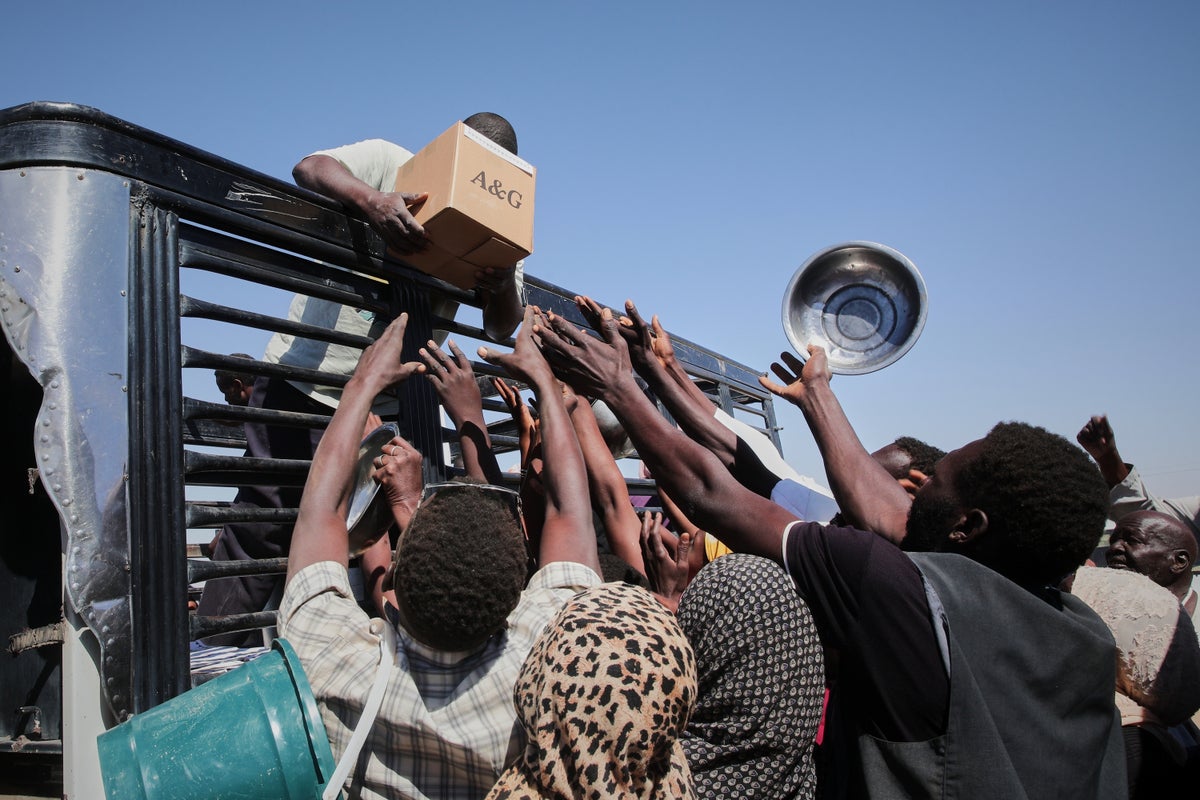
This isn't just a bad morning for Sarah. It is a symptom of a global circulatory system that has begun to clot.
The Room Where the Oxygen Runs Out
While Sarah stares at the rising digits on Pump 4, three thousand miles away, the air in a windowless boardroom is thick with the smell of expensive coffee and cold sweat. This is the emergency meeting the headlines briefed you on. It is a gathering of ministers, analysts, and oil titans who spent the last decade convinced they could calibrate the world’s energy needs like a thermostat.
They were wrong.
The math of an oil shortage is deceptively simple, but the geography of it is a nightmare. Imagine a series of interconnected garden hoses stretching across a continent. If one hose kinks in Eastern Europe due to geopolitical friction, and another narrows in the Middle East because of infrastructure decay, the pressure doesn't just drop at the end of the line. It builds up until the plastic bursts.
The "chaos" reported in the news is the sound of that pressure reaching the breaking point. The supply side of the equation has been hammered by a perfect storm: underinvestment in refining capacity, shipping lanes that have become tactical chessboards, and a sudden, ravenous bounce-back in global demand that caught the giants napping.
We often think of oil as a commodity, a liquid traded on glowing screens. In that boardroom, they see it as a weapon and a shield. But for the rest of us, it is the invisible tax on existence.
The Ghost in the Grocery Cart
Most people believe the sting of an oil shortage ends at the gas station. They are mistaken.
Consider the tomato in your refrigerator. To get to your table, that tomato required a diesel-powered tractor to plant the seed. It required petroleum-based fertilizer to grow. It needed a temperature-controlled truck to travel eight hundred miles. It required a plastic container derived from crude oil.
When the price of a barrel of Brent Crude spikes, it sends a kinetic shockwave through every aisle of the supermarket. It is a silent thief. You don’t see it taking the money; you just notice that twenty dollars doesn't buy the same bag of oranges it did last Tuesday.
This is the "human element" the spreadsheets ignore. We talk about "inflationary pressure" as if it’s an atmospheric condition, like humidity. It isn't. It’s the choice between a full tank of gas to get to work or the high-quality protein your kids need for dinner. It’s the small business owner, like Elias, who runs a local delivery service and realizes that his fixed-rate contracts are now a slow-motion suicide note for his company. Every mile his drivers cover is a mile closer to insolvency.
The Psychology of the Scarcity Loop
Human beings are wired for pattern recognition. When we see a line at a gas station, our prehistoric brain doesn't think "market fluctuation." It thinks "famine."
This triggers the Scarcity Loop. It starts with a few cautious drivers topping off their tanks at half-full. Then comes the social media post—a blurry photo of a "Station Out of Service" sign. Suddenly, the entire city is on the road, hunting for 87-octane. This panic-buying creates the very shortage people are afraid of. It’s a self-fulfilling prophecy written in exhaust fumes.
The emergency meetings called by governments are often less about finding "new" oil—which takes years to pull from the earth—and more about managing the collective heartbeat of the population. They release strategic reserves not because a few million barrels will solve the global deficit, but because the sight of movement calms the herd. It is a placebo for a systemic fever.
But placebos only work for so long.
The Myth of the Quick Fix
There is a common refrain heard in the wake of these surges: Just drill more. Just flip the switch.
If only the world were that mechanical. Extracting oil is an act of high-stakes surgery on the planet. You don’t just "drill." You permit, you survey, you build, and you wait. The current crisis is the result of decisions made five, ten, and fifteen years ago. We are living in the shadow of past silhouettes.
Furthermore, the transition to greener energy—while necessary—has created a "valley of death" for investment. Why would a company spend billions on a refinery that takes a decade to pay off if the world is promising to be carbon-neutral by then? This tension has left us with a crumbling bridge. We have one foot on the old world and one foot reaching for the new, while the gap beneath us widens.
The politicians in their emergency session know this. They know they can't simply legislate a lower price. They are trying to bridge the gap with rhetoric and temporary subsidies, but the underlying reality remains: the world’s appetite for energy is growing faster than its ability to safely deliver it.
The Quiet Reality at the Pump
Back at the station, Sarah finally hears the "thwack" of the pump handle clicking off. It cost her eighty-four dollars.
She sits in the driver's seat for a moment, looking at the receipt. It’s just a piece of thermal paper, but to her, it represents two hours of labor, evaporated. She thinks about the weekend trip to see her mother that she’ll have to cancel. She thinks about the "check engine" light she’s been ignoring because the repair money just went into the tank.
The news will call this "Oil Shortage Chaos." They will talk about "Surging Prices" and "Market Volatility." They will show graphs with red lines pointing toward the ceiling.
But the real story isn't the red line on the graph. It’s the red needle on the dashboard. It’s the weight in the pit of a parent's stomach when they realize the world is getting more expensive, and the margin for error is getting thinner.
We are all Sarah, sitting in that idling line, watching the numbers climb, waiting for someone in a far-off room to find a way to keep the lights on without breaking the people they are meant to serve.
The needle moves back toward "F," but the sense of security doesn't return with it. It only lasts until the next time the light catches the dust.
The engine turns over. The line moves forward. We pay the price, and we drive on, wondering exactly how much road is left before the tank runs dry for good.