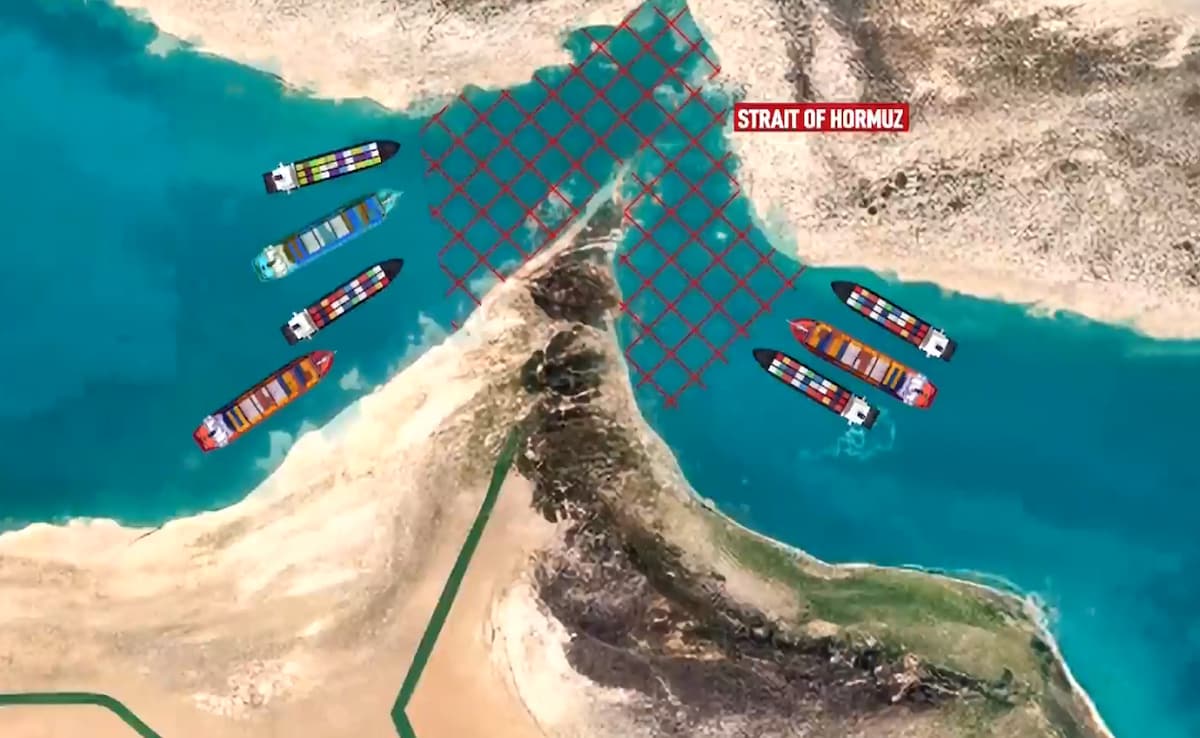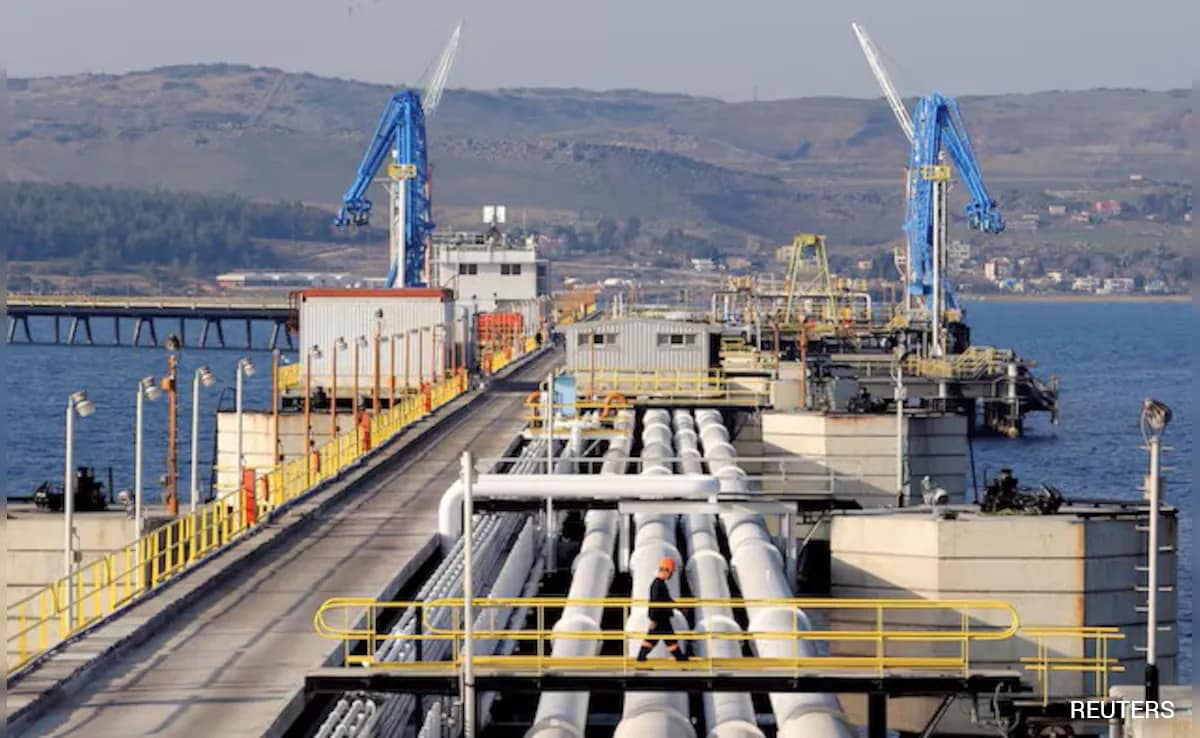
Iraq has officially restarted oil exports through the Kirkuk-Ceyhan pipeline to Turkey, a desperate pivot as the Strait of Hormuz remains effectively choked by the escalating conflict between Iran, Israel, and the United States. On Wednesday, March 18, 2026, the state-owned North Oil Company activated the Saralo pumping station, pushing an initial 250,000 barrels per day (bpd) toward the Mediterranean. While the move provided a psychological floor for global markets, sending Brent crude down from its $104 peak to roughly $96, the operational reality on the ground suggests this is less of a recovery and more of a tourniquet on a hemorrhaging economy.
For years, the northern export route was a relic of legal warfare and physical sabotage. Now, it is the only viable artery left. Before the current regional war began on February 28, Iraq moved roughly 3.5 million bpd through its southern terminals in Basra. With those gates padlocked by the IRGC’s maritime blockade and drone strikes on tankers like the Sonangol Namibe, Iraq’s total output has cratered by 70%. Pumping 250,000 barrels north is a drop in a very empty bucket.
The Fragile Truce in the North
The restart required a sudden, forced alignment between Baghdad and the Kurdistan Regional Government (KRG) in Erbil. This is a marriage of necessity, not a resolution of the deep-seated bitterness that has defined their relationship for a decade. Erbil previously refused to cooperate unless Baghdad lifted a "dollar embargo" and stopped militia strikes on Kurdish energy infrastructure. Baghdad, meanwhile, accused the KRG of using the regional crisis to blackmail the federal treasury.
The breakthrough came only after the Iraqi presidency and U.S. diplomats applied immense pressure. KRG Prime Minister Masrour Barzani framed the decision as a response to "extraordinary circumstances," but the underlying disputes over the ASYCUDA digital customs system and independent oil sales remain live wires. If the central government in Baghdad fails to flow cash back to Erbil for these exports, the pipeline will likely go dry again within weeks.
Technical and Political Chokepoints
Even if the politics hold, the math is brutal. The Kirkuk-Ceyhan corridor has a theoretical capacity of 1.5 million bpd, but the infrastructure is a patchwork of scars.
- Decade-old Damage: Sections of the federal pipeline were destroyed during the war against ISIS in 2014 and have faced years of neglect.
- Bypass Reliance: Currently, Baghdad is using a 100-kilometer bypass through KRG-controlled territory to reach the Turkish border.
- The Federal Direct Goal: Oil Minister Hayan Abdel-Ghani is racing to complete hydrostatic testing on an independent federal link that would bypass KRG territory entirely.
This dual-track strategy reveals Baghdad’s true intent. They are not looking for a long-term partnership with the Kurds; they are building an escape hatch. The goal is to eventually move 450,000 bpd by combining Kirkuk’s federal output with KRG production, yet even this optimistic figure covers barely 15% of what Iraq used to ship through the Gulf.
A Nation Running on Fumes
The economic stakes are existential. Oil sales account for 90% of Iraq’s budget. With the southern exports offline, the country is losing hundreds of millions of dollars every single day. The Ministry of Oil is currently entertaining "offers" for overland trucking of crude through Turkey, Syria, and Jordan. When a major OPEC producer starts talking about tanker trucks to move millions of barrels, you know the situation is dire.
The disruption in the Strait of Hormuz has created a two-tier oil market. While WTI remains largely insulated as a U.S.-focused contract, Brent has become the barometer of Middle Eastern chaos. The recent attacks on vessels like the Skylight and the Safeen Prestige have pushed maritime insurance rates to levels that make southern shipping economically impossible, even if the physical passage were clear.
The Development Road vs. Reality
In January, Baghdad was touting the "Development Road"—a $17 billion rail and highway project designed to turn Iraq into a transit hub between Asia and Europe. The Grand Faw Port was supposed to be the "beating heart" of this transformation. Today, that heart is on life support. The conflict has proven that Iraq’s geography, once seen as its greatest asset, is its most profound vulnerability.
The move toward Ceyhan is a tactical victory for Turkey, which has long urged Iraq to diversify its export routes. Turkish Energy Minister Alparslan Bayraktar noted that Ankara has been warning of a Hormuz closure for years. Now, Turkey sits at the controls of Iraq’s only remaining revenue stream, granting Ankara significant leverage over Baghdad’s foreign policy and its handling of the Kurdish issue.
The Missing Barrels
The world is watching the 250,000 bpd flow and breathing a sigh of relief, but the structural shortage remains massive. Global inventory drawdowns can only bridge the gap for so long.
- Iraq’s current production target: 1.4 million bpd
- Pre-crisis production: 4.5 million bpd
- Budgetary break-even requirement: $80-$90 per barrel at full volume
At $100 per barrel, Iraq still cannot balance its books because it lacks the volume. The "northern strategy" is a survival tactic, not a growth plan. As long as the war with Iran continues to paralyze the Gulf, Iraq remains a hostage to its own borders, relying on a Turkish pipeline and a fragile deal with the Kurds to keep the lights on in Baghdad.
The next few days of hydrostatic testing on the federal pipeline will determine if Iraq can double its northern flow. But even a perfectly functioning pipeline to Ceyhan cannot replace the lost millions of barrels in the south. The Iraqi state is effectively being held together by a thin steel tube running through some of the most contested territory on earth.
Would you like me to analyze the specific impact of the "dollar embargo" on KRG-Baghdad trade relations or the technical specifications of the new federal bypass pipeline?