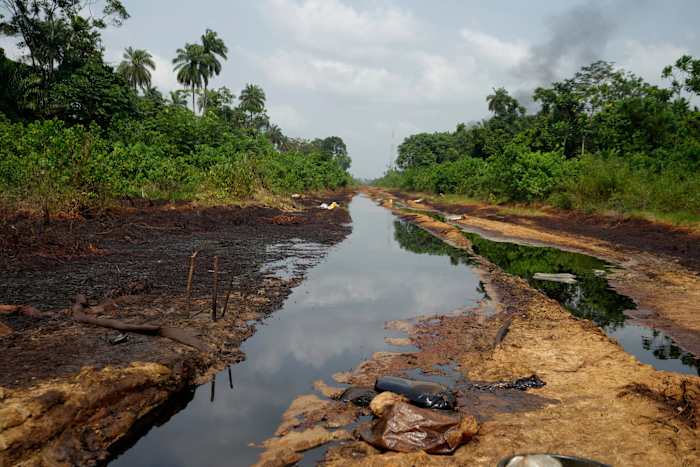
Dozens of people walk into an illegal refinery site every single week, knowing the risks, and they still do it. It's a tragedy born out of desperation. Nigeria oil theft isn't just an economic crisis for pipelines and corporations. It's a public health emergency that kills ordinary people in horrifying ways.
When toxic fumes trap desperate workers inside makeshift refineries, the results are catastrophic. We saw this stark reality play out when scores of people died from inhaling lethal vapors during a botched extraction attempt. But why does this keep happening? The answers are messy, systemic, and deeply tied to poverty. For a more detailed analysis into this area, we recommend: this related article.
The Brutal Reality of Bush Refineries
You hear about bunkering in the news and think of sophisticated cartels moving millions of gallons on tanker ships. That is only half the story. Down in the delta creeks, the operation looks completely different.
Local operators dig pit fires, weld crude oil into old drums, and boil it down to squeeze out diesel and kerosene. There are no safety valves. There are no pressure gauges. Workers stand directly in toxic plumes, breathing in heavy hydrocarbons, benzene, and sulfur dioxide. For additional context on this development, comprehensive analysis can be read at USA Today.
It is basically a ticking bomb. When a pipe ruptures or a DIY tank boils over, gases fill the clearing instantly. People don't just burn; they suffocate before they can even run.
Government clampdowns rarely stop the cycle. Security forces blow up illegal sites regularly, yet new ones pop up days later. Why? Because desperation beats danger every single time.
Follow the Money and the Desperation
Poverty drives this machine. When fishing waters are ruined by chronic oil spills, local communities lose their traditional livelihoods. Youth unemployment runs rampant.
Enter the criminal syndicates. They offer quick cash to young men willing to tap pipelines, guard illegal refineries, or haul stolen product through the swamps. For someone making nothing, a risky night siphoning crude looks like the only ticket out of starvation.
The math is brutal. The profits are high enough for kingpins to stay hidden, while the foot soldiers pay with their lives. We are looking at a localized crisis with global economic roots. International oil companies extract wealth from the soil, leaving pollution behind, while locals risk everything just to survive the fallout.
How Authorities Fail to Stop the Bleeding
Stopping illegal refining requires more than just military raids. Burning down bush refineries only pushes toxic waste directly into the soil and waterways, destroying the environment further.
Nigeria's security agencies often target the low-level workers while the masterminds operate with impunity. Without real economic alternatives for delta youth, cracking down harder just raises the stakes. It forces operators to take even bigger risks, leading to worse disasters like the recent mass asphyxiations.
You cannot police your way out of a poverty trap. Until communities see actual cleanup efforts and real jobs, the dangerous cycle of oil theft will claim more lives.
Take a hard look at the root causes before judging the victims. Fix the environmental degradation, hold corporations accountable for spills, and provide legal economic engines for the Niger Delta. Otherwise, another toxic cloud will form in the swamps tomorrow, and more desperate people will walk right into it.