Hong Kong just hit the panic button on travel to the Middle East. If you've got a flight booked or business pending in Tehran or Tel Aviv, the ground just shifted. The Security Bureau didn't just tweak a few words; they slammed down a Black Outbound Travel Alert for both Iran and Israel. This is the highest warning level possible. It's the government's way of saying "don't go," and if you're already there, "get out now."
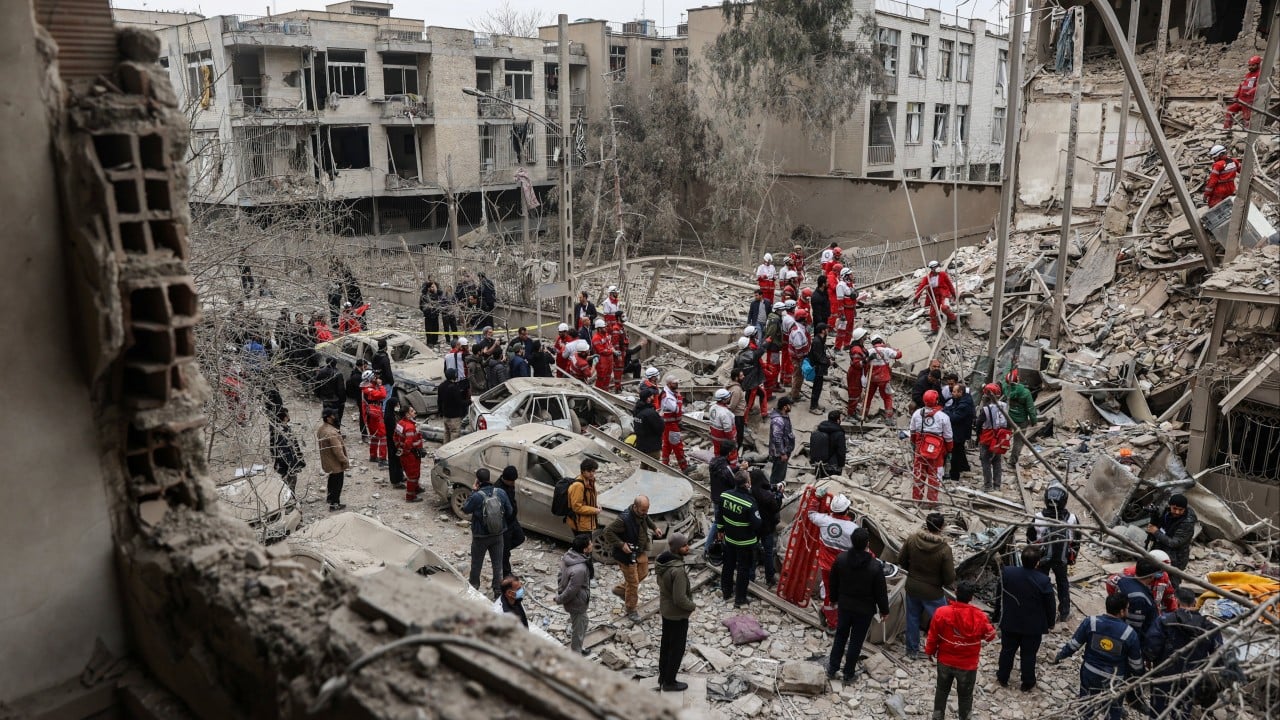
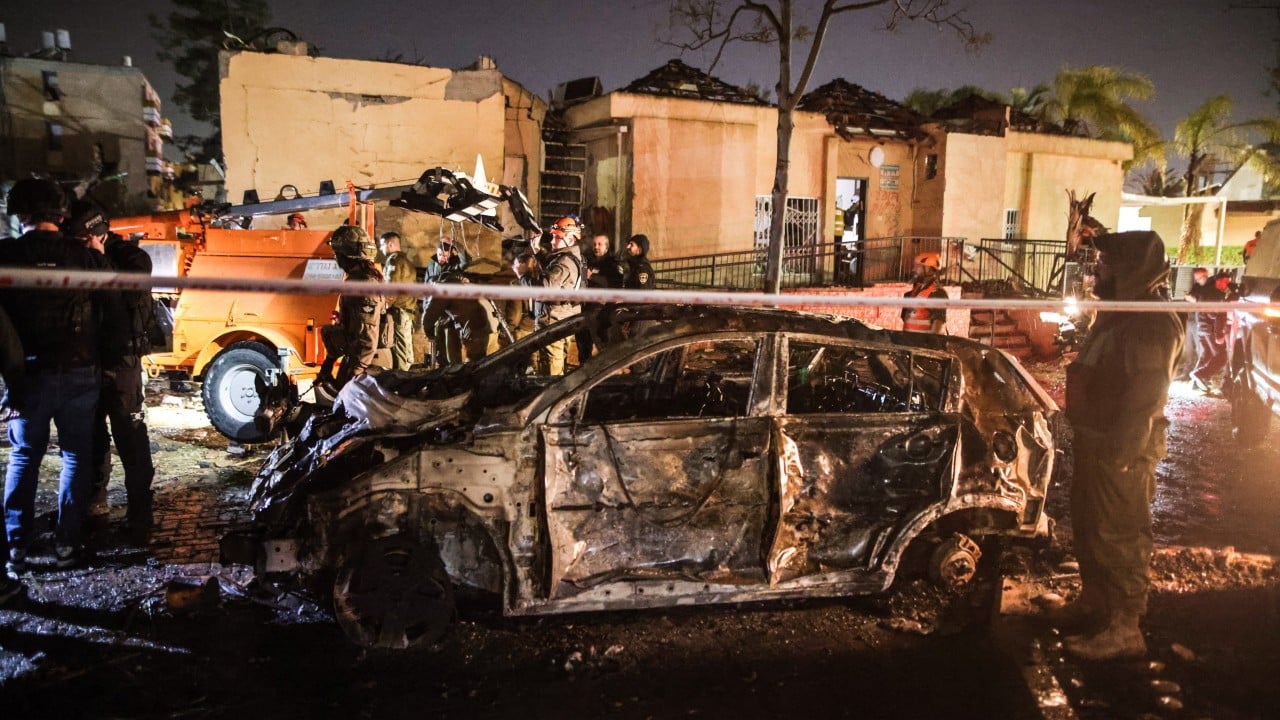
This isn't some bureaucratic paper-pushing exercise. It’s a direct response to a region that's currently a powder keg. For months, we've seen tensions simmering, but the recent escalation has forced the Hong Kong government to draw a hard line. They’re not just worried about local street protests. They’re looking at the very real risk of large-scale military conflict that could shut down airports and trap you in a war zone without a clear exit strategy.
The Reality of a Black Travel Alert
What does a Black Alert actually mean for you? In simple terms, it's a formal declaration of "severe threat." The Security Bureau uses this specific color code to signal that you should avoid all travel to these destinations. It's a rare move. Usually, the government sticks to Amber or Red, which suggest caution or adjusting travel plans. Black is the nuclear option of travel advice.
If you ignore this and go anyway, you're essentially on your own. Most travel insurance policies have "war and civil unrest" exclusion clauses that kick in the moment a Black Alert is issued. If you get hurt, lose your luggage, or need an emergency evacuation, your provider might just point to the fine print and wish you luck. You’re also putting a massive strain on consular resources. When things go south, the local embassy or mission has to scramble to help people who were explicitly told not to be there in the first place.
Lebanon and the Expanding Amber Zone
While Iran and Israel are under the Black Alert, the government also expanded the Amber Alert for Lebanon. This is where things get tricky. Amber means there are "signs of threat." It's a "stay alert" warning. But honestly, in the current climate, Amber feels like a placeholder for something worse. The Security Bureau is monitoring the border regions and the political instability in Beirut with a heavy hand.
The expansion of the Lebanon alert suggests that the risk isn't just contained to specific military targets. It’s spreading. For travelers, this creates a massive gray area. Do you cancel your trip? Do you risk it? Most experts would tell you that an Amber Alert in a region connected to two Black Alert zones is a massive red flag. It’s not just about what’s happening in Lebanon; it’s about the spillover from its neighbors.
Why the Government Acted Now
The timing isn't accidental. We’ve seen a sharp spike in drone strikes, targeted assassinations, and "tit-for-tat" military posturing. Hong Kong’s Security Bureau receives intelligence briefs that the general public doesn't see. When they move both Iran and Israel to Black simultaneously, they’re signaling that the risk of a coordinated or massive regional escalation is at an all-time high.
It’s also about the infrastructure of travel. In a major conflict, GPS spoofing becomes common, making civilian flights risky. Airspace can close in minutes. We saw this during previous escalations where hundreds of flights were diverted or canceled overnight, leaving travelers stranded in transit hubs with no way home. Hong Kong wants to prevent its residents from becoming those stranded faces on the news.
Insurance and Your Wallet
Let’s talk money because that’s usually where the heart hangs. The moment a Black Alert is issued, the "cancel for any reason" window usually slams shut for new policies. If you already had insurance, you need to call your agent immediately. Some high-end policies cover "government advisory" cancellations, but many standard ones don't.
You should also check with your airline. While a Black Alert doesn't legally force an airline to refund you, most major carriers like Cathay Pacific or Emirates often provide flexibility during regional crises to avoid the PR nightmare of forcing passengers into a danger zone. Don't just wait for an email. Be proactive. Call them. Cite the Security Bureau's update. Use the specific terminology.
Practical Steps to Take Right Now
If you have ties to these regions or travel planned, stop waiting for things to "calm down." History shows these situations move faster than the news cycle can track.
- Register with the Outbound Travel Alert System. If you're a Hong Kong resident, use the "Registration of Outbound Travel Information" (ROTI) service. It’s the only way the government knows where you are to send help or emergency updates.
- Audit your insurance immediately. Read the section on "General Exclusions." If you see words like "insurrection," "hostilities," or "military power," your coverage for Iran or Israel is likely dead in the water.
- Secure your documents. Keep digital copies of your passport and ID on an encrypted cloud drive. If you're in an Amber zone like Lebanon, keep your physical passport on you at all times.
- Monitor the Immigration Department hotline. Save +852 1868 in your phone. This is the 24-hour emergency assistance line for Hong Kong residents outside the territory.
The shift to a Black Alert is a sobering reminder that global stability is fragile. The government isn't trying to ruin your vacation or disrupt your business; they're trying to keep you out of a situation where they can't guarantee your safety. Respect the alert level. It’s there for a reason.
If you’re currently in Iran or Israel, your priority is reaching the airport while commercial flights are still operating. Don't wait for a government-chartered flight that might never come. Check flight boards every hour and be ready to move. If you're in Hong Kong, stay put and wait for the Security Bureau to downgrade the alerts before even thinking about rescheduling. Safety beats a lost deposit every single time.