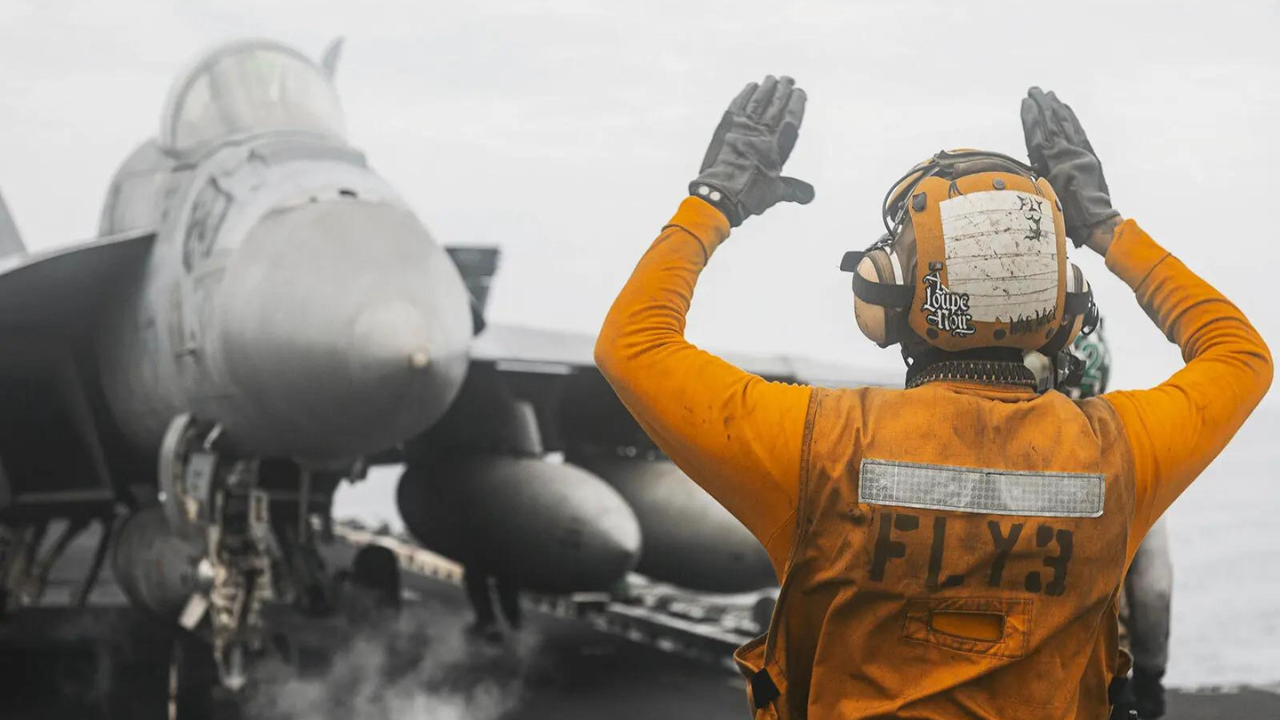
The mainstream media is addicted to the narrative of the "imminent collapse." Turn on any major news network and you will hear the same recycled talking points: Iran is one sanction away from a revolution, their leadership is trembling at the sight of a US carrier strike group, and a "grand deal" is just around the corner if we twist the thumb-screws hard enough.
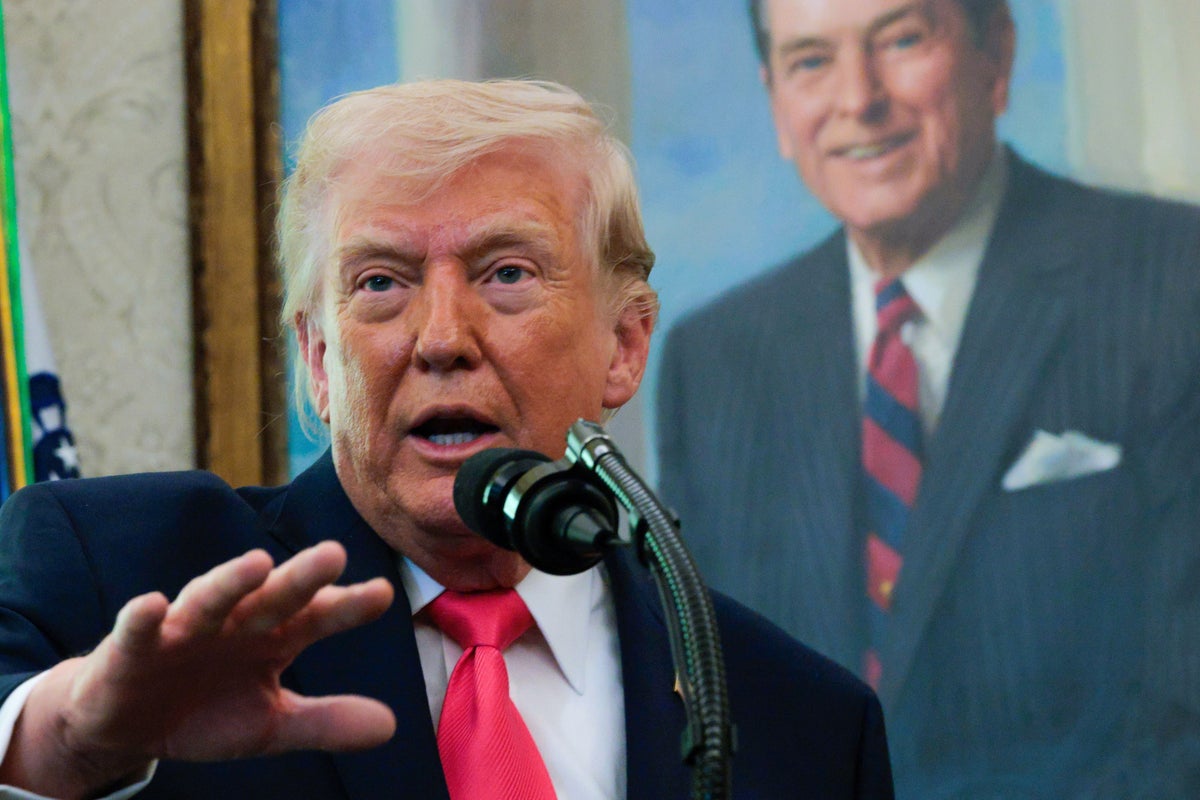
Donald Trump’s recent claims that Tehran is "afraid" to admit they want a deal because they fear being "killed by their own people" is a classic example of fundamental attribution error. It assumes that the Iranian state operates on a Western timeline of political survival. It doesn’t.
If you want to understand why the US and its allies keep failing to secure a stable Middle East, you have to stop viewing the region through the lens of Western electoral cycles and start looking at the cold, hard math of "Resistance Economics" and asymmetric leverage. The "lazy consensus" says Iran is cornered. The reality? They have never been more comfortable with chaos.
The Sanctions Paradox Why Poverty Isn't Political Suicide
The biggest lie in foreign policy is that economic pain equals political change. We’ve seen this movie before in Cuba, North Korea, and Venezuela. I’ve watched analysts forecast the "fall of the Ayatollahs" for three decades based on GDP contraction and currency devaluation. It hasn’t happened.
Why? Because the Iranian regime has built an economy designed to survive—and even thrive—in the shadows. This isn't about "robust" markets; it's about the Bonyads. These are massive, tax-exempt parastatal foundations that control up to 30% of Iran’s economy. They don't care about the Rial’s exchange rate on the open market. They operate on a barter-and-proxy system that bypasses the SWIFT network entirely.
When Trump or any other Western leader suggests that the Iranian people will rise up because they want a "deal" for better iPhones and stable currency, they are ignoring the structural reality of the IRGC (Islamic Revolutionary Guard Corps). The IRGC doesn't just hold the guns; they hold the construction contracts, the telecommunications infrastructure, and the oil smuggling routes.
In a weird way, sanctions actually strengthen the regime’s grip. When legitimate business dies, the only people left who can move goods are the ones with the militias. Sanctions aren't a cage; they are a filter that removes the regime’s moderate competition.
The Deal Fallacy Iran Doesn't Want Your Terms
The Western obsession with "The Deal" is a projection of our own desire for a tidy exit. We assume Iran wants to be a "normal country." They don't. The current leadership views "normalcy" as a trap designed to facilitate a velvet revolution.
Imagine a scenario where Iran signs a comprehensive deal tomorrow. They freeze their enrichment, dismantle their proxies, and open their markets. What happens?
- The IRGC loses its justification for its massive budget and internal security apparatus.
- Western cultural and economic influence floods the country, threatening the ideological foundation of the state.
- The "Strategic Depth" provided by Hezbollah, the Houthis, and PMF militias evaporates, leaving Tehran vulnerable to conventional military strikes.
From their perspective, a "good deal" with the US is a suicide note. They would rather rule a sanctioned, isolated fortress than risk becoming a subservient Western satellite. This isn't irrationality; it's cold-blooded survivalism. When Trump says they are "afraid" to ask for a deal, he’s misinterpreting their silence. It’s not fear; it’s a lack of interest in the product he’s selling.
The Myth of the "Fearful" Proxy
The headline-grabbing updates often focus on the threat of a direct US-Iran war. This misses the point of how Iran actually fights. They have mastered the art of "Gray Zone" warfare—conflict that stays below the threshold of an all-out conventional war but achieves strategic objectives.
Look at the Red Sea. The Houthis, backed by Iranian tech and intelligence, have managed to disrupt global shipping and force the US Navy into an expensive, defensive crouch. The cost-to-effect ratio is staggering.
$$\text{Cost of Houthi Drone} \approx $2,000$$
$$\text{Cost of US Interceptor Missile} \approx $2,000,000$$
This is $1,000:1$ asymmetry. Iran isn't "afraid" of our military hardware when they can bleed our treasury and our patience by proxy. While the US focuses on carrier groups, Iran focuses on the "Ring of Fire"—a network of non-state actors that ensures any strike on Tehran results in the burning of Tel Aviv, Riyadh, and the global energy supply. They aren't hiding; they are waiting for us to get tired and go home.
The Great Misconception People vs. State
The competitor's article hinges on the idea that the Iranian people are a monolith waiting for a Western liberator. This is a dangerous oversimplification. Yes, there is massive domestic discontent. Yes, the "Woman, Life, Freedom" movement showed the world the bravery of the Iranian youth.
But thinking that domestic anger translates into support for US intervention is a fantasy. I’ve seen this error play out in Iraq and Libya. When a foreign power threatens "killing" people or "decimating" a country, it triggers a nationalist rally-around-the-flag effect. Even those who hate the mullahs don't want to see their cities look like Gaza or Aleppo.
The regime knows this. They use Western threats as their most effective propaganda tool. Every time a US politician talks about "regime change" or "killing them," it’s a gift to the hardliners in Tehran. It allows them to frame every protestor as a "Zionist agent" or a "CIA asset."
Stop Asking if Iran Wants a Deal
The question isn't whether Iran is "afraid" to admit they want a deal. The question is: why do we think a deal is the only metric of success?
The status quo is a choice. For the Iranian leadership, the status quo—low-level conflict, sanctions-evasion, and regional influence through proxies—is far more stable than the uncertainty of a Western-led peace. They have built a system that functions in the dark.
If you're waiting for Iran to "crack," you're going to be waiting for a long time. They have survived an eight-year war with Iraq, decades of sanctions, and internal uprisings. They play the long game while we play for the next news cycle.
We need to stop treating Iran like a bankrupt business waiting for a buyout. They are a regional power with a 3,000-year history of outlasting empires. They aren't looking for an exit strategy because, in their mind, they're winning.
Stop listening to the "experts" who tell you the regime is on its last legs. They’ve been saying that since 1979. Instead, look at the map, look at the cost of the interceptor missiles, and realize that the only person being fooled by the "desperate Iran" narrative is the Western taxpayer.
The US isn't containing Iran; it's subsidizing a stalemate that Iran finds perfectly acceptable.