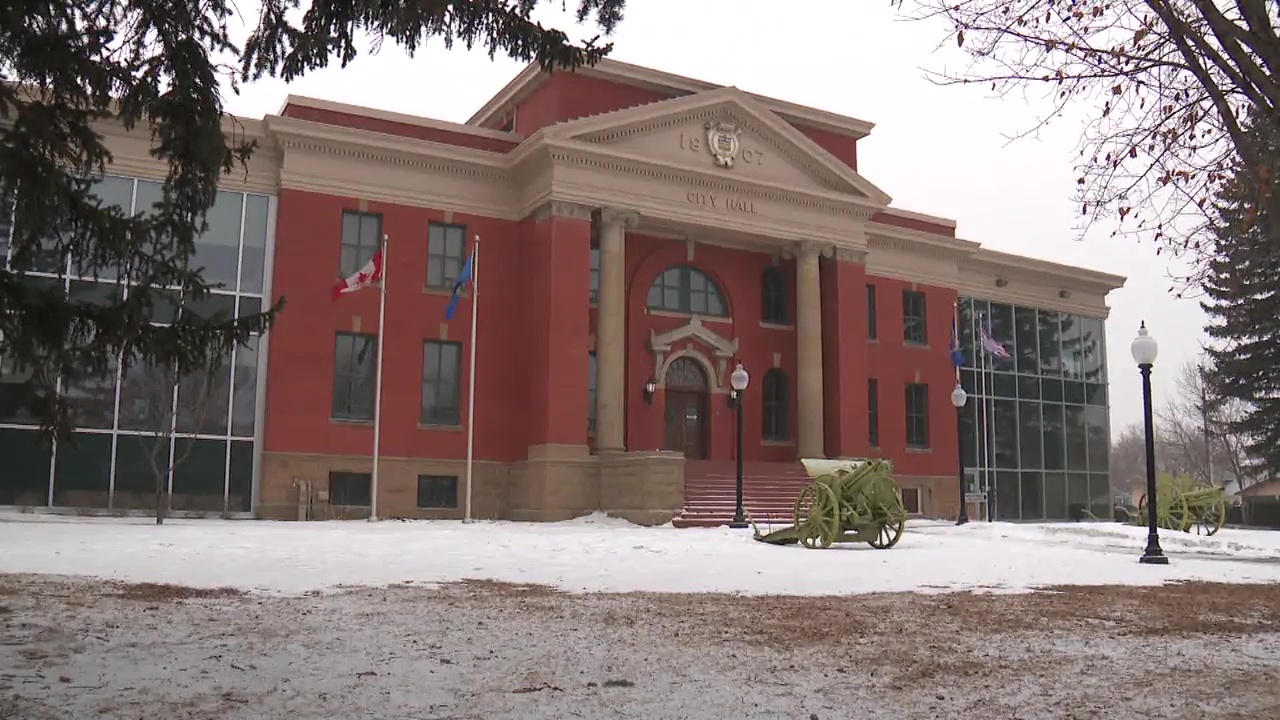
Wetaskiwin is currently the center of a political standoff that feels more like a scripted drama than municipal governance. If you've been following the news out of this Alberta city lately, you know things are messy. Tyler Gandam, the mayor, isn't allowed inside City Hall. He’s been barred. It's a move that has left residents scratching their heads and demanding transparency that hasn't exactly been forthcoming in a clear, concise way. This isn't just about one man or a single disagreement. It’s about how a city functions when its leadership is fractured and the public is left in the dark.
The situation escalated quickly, and honestly, the lack of a clear paper trail for the public to follow is the most frustrating part of the whole ordeal. When a mayor is physically or legally prevented from entering the seat of local government, the gears of democracy don't just grind; they seize up. People want to know why their elected leader is on the outside looking in, and they want to know now.
The Breaking Point in Wetaskiwin
The tension didn't appear out of thin air. It’s been simmering for months. The City Council made the heavy-handed decision to restrict Mayor Gandam’s access following an investigation into conduct. While the specifics of these investigations are often shielded by privacy laws or "in-camera" meeting rules, the result is very public. You have a mayor who can still technically hold the title but can’t walk through the front doors of the building where decisions are made.
Local governments in Alberta operate under the Municipal Government Act (MGA). This bit of legislation is the rulebook for every town and city in the province. It gives councils the power to sanction their own members if they find a breach of the code of conduct. However, these sanctions are usually meant to be corrective, not obstructive. Barring a mayor from City Hall is one of the most extreme steps a council can take short of asking the Minister of Municipal Affairs to step in and fire someone.
The public outcry has been loud. During recent council meetings, gallery seats were packed. Residents aren't just showing up to watch; they're showing up to demand a timeline. They want to know when the "barred" status ends and what the investigation actually found. When you pay taxes, you expect the person you voted for to be able to do their job. When they can't, the system feels broken.
Codes of Conduct and the Power of Council
Most people don't spend their Tuesday nights reading municipal codes of conduct. But in Wetaskiwin, these documents are now the most important papers in town. A code of conduct is basically a set of professional standards. It covers how councillors treat each other, how they interact with staff, and how they represent the city.
If a council decides a member has crossed a line, they can:
- Issue a letter of reprimand.
- Demand a public apology.
- Remove the person from committees.
- Restrict access to certain city facilities.
The last one is the "nuclear option" currently being used against Gandam. It’s a messy tool because it creates a vacuum. If the mayor isn't there to chair meetings or sign documents, the Deputy Mayor has to step up. This shifts the workload and changes the dynamic of every single vote. It’s not just a slap on the wrist. It’s a fundamental shift in how the city is managed day-to-day.
The Silence from the Minister
In Alberta, when a local council goes off the rails, the provincial government is supposed to be the referee. Ric McIver, the Minister of Municipal Affairs, has the power to launch an inquiry or a municipal inspection. We’ve seen this happen in places like Chestermere, where the province eventually stepped in and dismissed the entire council.
In Wetaskiwin, the province has been relatively quiet. This silence often signals that the government thinks the local council is following the "process," even if that process is painful and slow. But for the average person living in Wetaskiwin, "following process" feels like an excuse for a lack of action. They see a divided leadership and a city that’s stuck in a loop of legal jargon and closed-door meetings.
Transparency is the only currency that matters in local politics. Right now, the vault is empty. Without a full release of the findings that led to the lockout, rumors fill the gap. That’s dangerous for any community. It breeds distrust. It makes people stop caring about local elections because they feel like their vote doesn't actually grant the winner the power to lead.
What Happens When Governance Fails
When a mayor is barred, the staff at City Hall are caught in the middle. Imagine being a city manager or a clerk. Your boss—the person the public views as the face of the city—is forbidden from entering the workplace. This creates a culture of fear and uncertainty. Projects get delayed. Decisions about infrastructure, policing, and social services take a backseat to the ongoing political circus.
The financial cost is also a major sticking point. Investigations aren't cheap. Third-party investigators and legal fees are paid for by the taxpayers. Every dollar spent on a conduct investigation is a dollar that isn't going toward fixing a pothole or supporting a local park. Residents have every right to be angry about that. They’re essentially paying for a fight they never asked for.
Why This Matters Beyond Wetaskiwin
You might think this is just a small-town squabble, but it’s a symptom of a larger trend across Canada. We’re seeing more "uncivil" politics at the local level. Whether it’s social media fueled harassment or genuine power struggles, the role of a local politician is becoming a legal minefield.
Wetaskiwin is a warning. It shows what happens when the relationship between a mayor and their council completely disintegrates. If there is no mechanism for mediation or quick resolution, the whole city suffers. It raises questions about whether the MGA needs more teeth or if there should be an independent provincial ombudsman specifically for municipal conduct issues.
Demand Better from Local Leadership
If you live in Wetaskiwin or any city facing a similar crisis, you can't just wait for the next election. Democracy requires active participation. You need to keep showing up to those council meetings. Write to the Minister of Municipal Affairs. Demand that the executive summaries of conduct investigations be made public.
Privacy is important, but it shouldn't be a shield for political dysfunction. If a leader has done something wrong, the public deserves to know what it was so they can judge for themselves. If a council is overreaching, they need to be held accountable at the ballot box.
The next steps for the community are clear. Organize. Ask for a town hall meeting specifically focused on the governance crisis. Don't let the conversation die out behind a "no comment" from a legal representative. The health of the city depends on getting the leadership back into the building—or finding new leaders who can actually work together.