When a corporate shake-up happens at Malaysia’s largest port operator, people notice. It's not just a standard board shuffle.
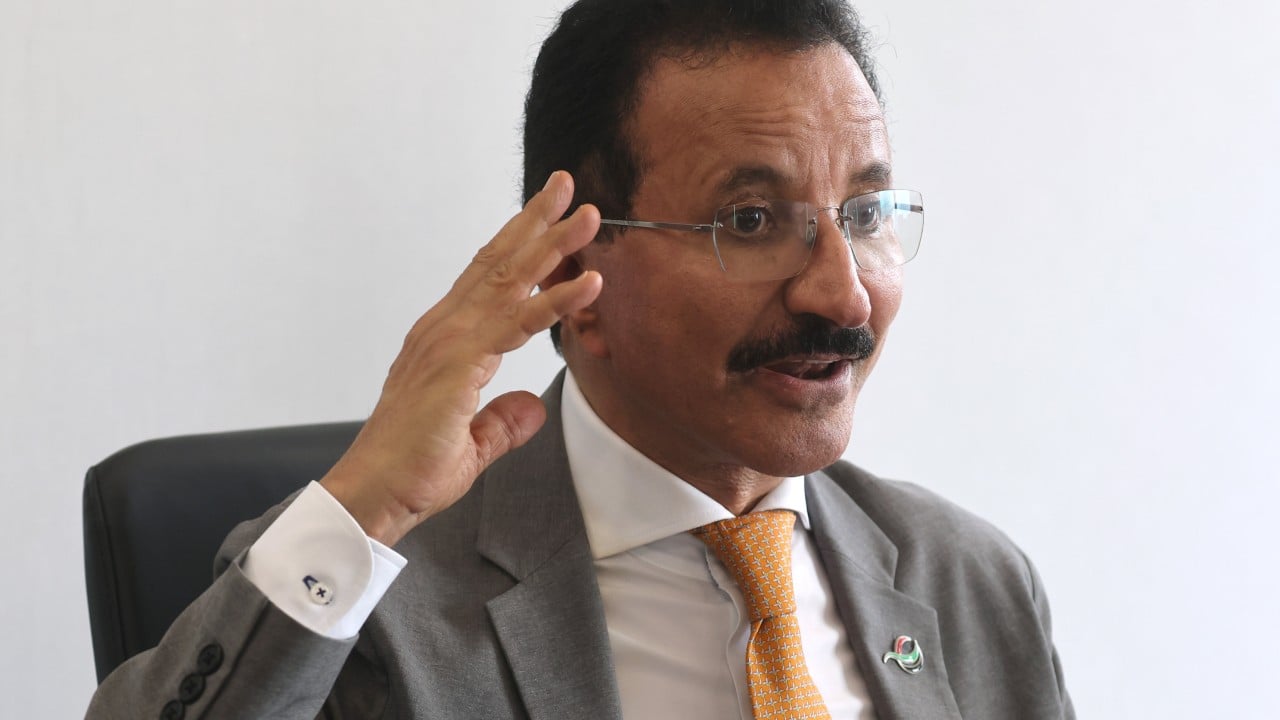
The immediate departure of MMC Port Holdings Bhd group CEO Datuk Azman Shah Mohd Yusof has sent ripples through the maritime industry. In his place, veteran Emirati ports executive Sultan Ahmed bin Sulayem has taken direct control as executive chairman. Given that MMC Ports controls seven major gateways along the Strait of Malacca—one of the absolute busiest shipping lanes on earth—the sudden change has triggered intense chatter about national security, foreign control, and state interference. Building on this idea, you can find more in: The Anatomy of Sovereign Outsourcing Failure: A Brutal Breakdown of the MEA Tender Collapse.
Yet, Transport Minister Anthony Loke made the government’s stance crystal clear: Malaysia isn't stepping in.
Why is the state keeping its hands off such a vital economic engine? The explanation reveals the delicate line Malaysia walks between protecting sovereign assets and maintaining a business-friendly environment for foreign capital. Observers at Bloomberg have provided expertise on this situation.
The Line Between Corporate Management and National Security
In business, leadership changes happen all the time. But when it involves MMC Ports, things get complicated. The company manages a massive chunk of Malaysia's maritime infrastructure, making its leadership a matter of national interest.
Critics and political groups, including the Malaysian United Democratic Alliance (MUDA), quickly demanded transparency. They want to know if a foreign national taking executive charge of critical local infrastructure poses a risk.
Loke's response was direct and pragmatic. The state's job is to regulate shareholding, not to micromanage corporate boardrooms.
"For companies that operate concessions and strategic national assets including ports, the majority – 51% – must be owned by Malaysians. That is our policy," Loke stated.
As long as the ownership threshold is maintained, the government believes private entities should have the freedom to hire whoever they want to run the show.
It’s a standard corporate governance model. Intervening in daily management decisions or blocking executive appointments would send a chilling message to global investors. If Malaysia wants to remain a global trade hub, it has to trust the corporate structures it set up.
Who Is Sultan Ahmed bin Sulayem?
You can't talk about this leadership shift without looking at the man taking the reins. Sultan Ahmed bin Sulayem is the former chairman and CEO of Dubai-based logistics giant DP World. He’s an industry titan who knows the global supply chain inside and out.
However, his appointment comes with some baggage. He resigned from DP World in early 2026 following intense scrutiny over historical email exchanges with Jeffrey Epstein. While he hasn't publicly commented on those files, his sudden arrival at MMC Ports has naturally raised eyebrows.
Despite the noise, his operational capability is undeniable. He's a veteran who understands how to scale ports and optimize maritime networks. For MMC Ports, having someone of his caliber running daily operations could be a major asset as they navigate complex global trade dynamics.
The Reality of Foreign Talents in Malaysian Infrastructure
The idea of a foreign executive leading a major Malaysian asset isn't actually new.
Loke pointed out that several major ports in the country already operate under foreign leadership. Take the Port of Tanjung Pelepas (PTP), for example. It has successfully utilized foreign executives to drive growth and connect local operations to global networks.
The government’s hands-off approach makes practical sense. Here is why:
- Global Standard Operations: Managing global logistics hubs requires deep international connections and specialized expertise.
- Clear Ownership Safeguards: The 51% local equity rule ensures that ultimate control and decision-making power over the assets remain anchored in Malaysia.
- Regulatory Separation: Regulatory bodies like port authorities still hold the ultimate power over licenses, tariffs, and security protocols, regardless of who sits in the CEO's office.
By focusing on equity rather than personnel, the government protects national interests without stifling corporate agility.
The Crucial Shareholding Rule
While management appointments are left to the board, the state keeps a very close eye on equity.
The Transport Ministry confirmed that any change in MMC Port's shareholding structure must be formally reported to the government and the Public Private Partnership Unit (UKAS). As of mid-July 2026, Loke confirmed no such notifications had been received.
This is the real red line. A change in ownership is a policy matter; a change in the CEO is just a corporate Tuesday.
This distinction is vital for anyone watching the Malaysian market. It shows a mature regulatory environment that respects corporate boundaries while firmly enforcing the rules that protect domestic interests.
What Happens Next for MMC Ports?
The transition is happening immediately. According to internal company memos, all operational and strategic decisions that previously went to the group CEO are now routed directly to Sultan Ahmed’s office.
The immediate focus for the new leadership will be stabilizing operations and maintaining momentum across their seven ports. MMC Ports previously delayed a highly anticipated initial public offering (IPO). Whether the new leadership will revive those listing plans or chart a new strategic direction remains to be seen.
For businesses and investors, the key takeaway is clear. Malaysia’s regulatory landscape remains predictable. The state will not step in to reverse corporate decisions just because they involve foreign executives, provided the 51% majority local ownership rule stays intact.