When a forest burns in a war zone, we usually call it collateral damage. But when 5,000 hectares of ancient cedar, pine, and oak vanish under a haze of white phosphorus, "collateral" feels like a lie. Lebanon’s Ministry of Environment just dropped a 106-page bombshell report, and they aren't using the polite language of diplomacy anymore. They’re calling it ecocide.
This isn't just about trees or a few ruined harvests. It's about a systematic reshaping of the land that makes life physically impossible for the people who live there. Since October 2023, the scale of destruction in southern Lebanon has moved past military necessity into something much more permanent and much more terrifying. If you think this is just another border skirmish, you’re missing the bigger picture of how modern warfare is being used to delete the environment itself.
The Phosphorus Problem is More Than Just Fire
White phosphorus is a nasty piece of work. It’s an incendiary substance that ignites the moment it hits oxygen, creating a smoke screen for troops. That’s the legal "loophole" military forces use to deploy it. But in southern Lebanon, the Lebanese National Council for Scientific Research (CNRS-L) found that its use has been anything but incidental.
They’ve tracked 195 verified incidents where these munitions were airburst over residential areas and farmland. When these shells explode, they rain down 116 burning felt wedges that can reach temperatures of $800°C$. It doesn't just burn the olive trees; it cooks the soil.
The chemistry here is brutal. As the phosphorus oxidizes, it leaves behind high concentrations of phosphoric acid. In some areas, researchers found phosphorus levels as high as 1,858 parts per million. That’s enough to send soil acidity through the roof, effectively sterilizing the ground for years. You can’t just replant an olive grove in dirt that’s been chemically altered to reject life.
A $25 Billion Price Tag on the Earth
We often measure war in body counts and destroyed buildings. But Lebanon is now putting a price tag on the "ecosystem services" they’ve lost. The report estimates the total cost of this conflict at a staggering $25 billion. Let that sink in. For a country already drowning in a historic financial crisis, that’s an impossible weight.
Here’s how those numbers break down in the dirt
- $118 million in direct physical assets lost—think irrigation systems, livestock, and greenhouses.
- $586 million in lost production because farmers literally couldn’t get to their fields to harvest what was left.
- 2,154 hectares of orchards destroyed, including 814 hectares of olive groves that were, in many cases, hundreds of years old.
It's a "Gaza playbook" for the environment. By uprooting the orchards and contaminating the groundwater, the ability of the local population to be self-sufficient is wiped out. It forces people into cities, breaks the social fabric of rural villages, and creates a buffer zone of dead land.
Why the Word Ecocide Matters Now
You won’t find "ecocide" in the Rome Statute of the International Criminal Court yet, but that’s exactly why Lebanon is pushing the term. The current legal definition of war crimes usually focuses on immediate human suffering. Ecocide looks at the long game. It’s defined as "unlawful or wanton acts committed with knowledge that there is a substantial likelihood of severe and either widespread or long-term damage to the environment."
Lebanon’s Environment Minister, Tamara el Zein, is arguing that the "intentionality" is the key. When you spray glyphosate herbicides on border farms—as the Lebanese government accused Israel of doing in February—you aren't looking for a sniper. You’re looking to make sure nothing grows there for the next decade.
It’s a form of warfare that targets the future. By destroying carbon sinks and biodiversity hotspots, the impact ripples out far beyond the strike zone. We’re talking about air pollution episodes that release dioxins and polycyclic aromatic hydrocarbons into the lungs of people miles away from the front lines.
The Toxic Legacy of the Rubble
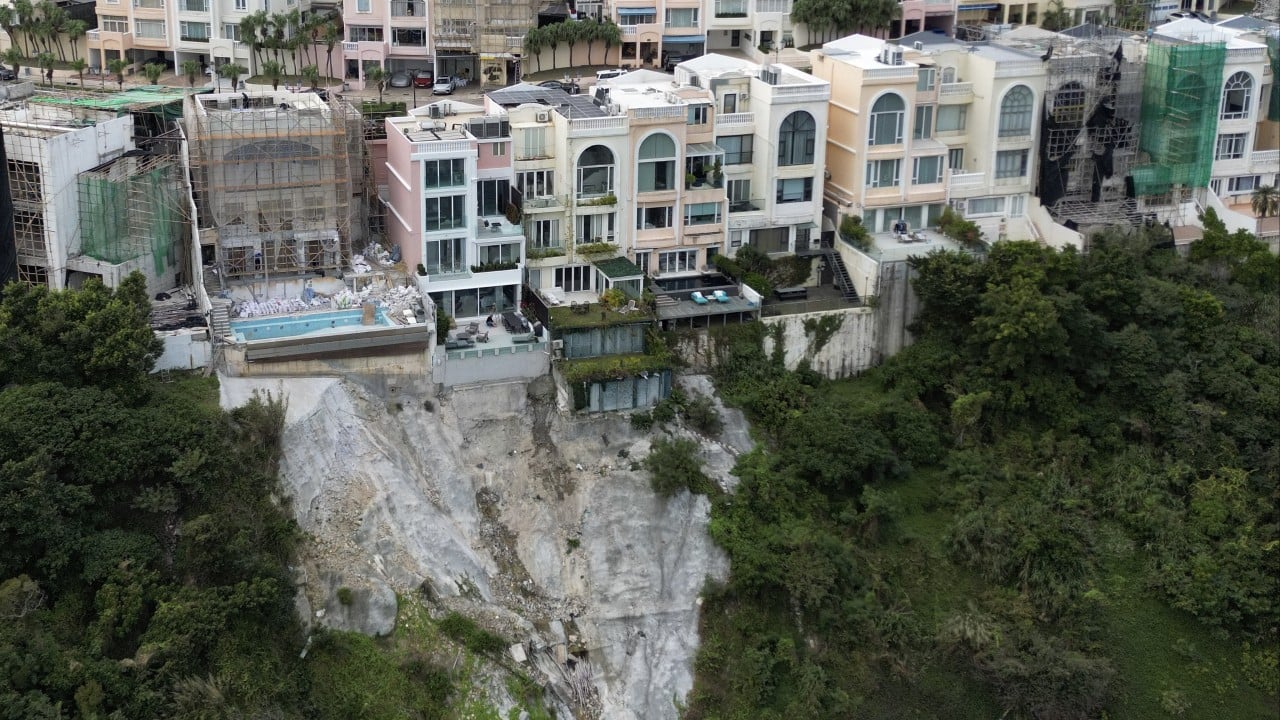
Even if the shells stop falling tomorrow, the environment remains a minefield. The destruction of buildings has created an estimated 100 million tons of construction waste. In Lebanon, where building standards historically involved heavy use of asbestos for pipes and roofing, that rubble is a public health disaster waiting to happen.
Every time a bulldozer moves that debris, it kicks up carcinogenic fibers. The groundwater is already under threat from munitions leakage, and the waste management systems in the south have essentially collapsed. Lebanon is facing a scenario where the land itself has become a weapon against its inhabitants.
What Happens Next
The Lebanese government is calling for an international intervention, but let’s be real: "building back better" is a fantasy without a massive infusion of foreign aid and a total cessation of hostilities.
If you want to see what this looks like in practice, you have to look at the farmers who tried to return during the brief ceasefires. They didn't find "damaged" farms; they found a moonscape. The equipment was gone, the warehouses were ash, and the very soil was a different color.
Immediate steps for those watching this crisis
- Support Environmental Monitoring: Organizations like the Conflict and Environment Observatory (CEOBS) are the only ones doing the granular work of mapping this damage. Their data is what will eventually be used in any potential legal cases.
- Pressure for Transparency: Demand that weapons-exporting nations investigate how their munitions, specifically white phosphorus, are being used in southern Lebanon.
- Fund Soil Remediation: Replanting trees is useless if the soil is toxic. Support NGOs that focus on soil testing and chemical neutralization in conflict zones.
The message from Beirut is clear. This isn't just a war between two groups; it's a war against the Mediterranean landscape itself. Once that's gone, it doesn't matter who wins the territory. There won't be anything left to live on.