
Tim Cook didn't just manage Apple. He scaled it into a multi-trillion-dollar juggernaut built on supply chain wizardry, services growth, and predictable yearly iPhone iterations. But eras end. John Ternus is now officially running the show as Apple's chief executive, with Cook sliding up to executive chairman.
Most tech commentators are missing the point of this transition. They think it is just a routine corporate handoff. It is not. It marks a fundamental shift from a logistics-first mindset back to a product-obsessed culture. You might also find this related story insightful: Inside the Apple Succession Crisis Nobody is Talking About.
If you want to understand where your next device is heading, you need to look closely at who John Ternus actually is and why Apple's board chose a mechanical engineer over another operations specialist.
The Engineer in the Driver Seat
Cook was Steve Jobs's operational genius. He could squeeze pennies out of manufacturing lines and keep factories humming across continents. That talent saved Apple during its hyper-growth phase. Yet, over the last few years, that operational safety net turned into a comfort zone. Innovation felt incremental. Devices got slightly thinner, cameras got slightly sharper, and software updates felt more iterative than visionary. As reported in detailed reports by Gizmodo, the results are widespread.
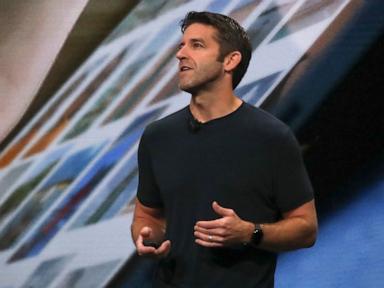
Ternus is different. He spent decades inside Apple’s hardware engineering group, running the teams responsible for everything from the iPad to the latest Silicon chips. He is a product guy. When he steps onto a stage to introduce a new Mac or iPad, he talks about thermal architecture, structural integrity, and physical design with genuine enthusiasm.
That matters because Apple is facing a massive identity crisis. The smartphone market is saturated. Wearables are maturing. The next decade belongs to ambient computing, artificial intelligence integration, and wearable form factors that actually make sense to normal human beings. You cannot optimize your way into that future through spreadsheets. You have to build your way there.
What Changes First Inside Infinite Loop
Transitions at the top of massive corporations trigger internal turf wars. Reports are already circulating that a broader leadership shakeup is inbound as Ternus stamps his own vision on the executive team. Cook mastered the art of corporate diplomacy, government relations, and keeping Wall Street happy with predictable quarterly earnings. Ternus inherits those relationships, but his immediate pressure points are entirely different.
First, the company has to fix its positioning in artificial intelligence. Apple arrived late to the modern generative AI race, relying heavily on partnerships and privacy-focused device processing that consumers are still trying to figure out. Ternus was handed an ecosystem that towers over the mobile market but trails behind competitors in raw ambient intelligence capability.
Second, hardware needs a new spark. Look at the Vision Pro. It is a technological marvel, but it is heavy, expensive, and sits in a niche category. Ternus earned his stripes by making complex hardware accessible and desirable. If anyone can streamline spatial computing or guide the rumored smart home and wearable robotics projects into actual consumer hits, it is an engineer who understands how individual components fit together under tight thermal constraints.
Surviving the Post Cook Era
You might wonder how this impacts you as a consumer or investor. Honestly, the daily experience of buying an iPhone won't shift overnight. Apple's product roadmap is locked in years ahead of time. You will still see iterative updates this fall and next spring.
The real transformation will show up in the courage of future product categories. Under Cook, Apple avoided massive risks that could cannibalize existing cash cows. An engineering-led CEO often cares less about protecting old profit pools and more about building superior architecture, even if it disrupts the current lineup.
Keep an eye on how aggressively Apple restructures its software and hardware integration over the next twelve months. Watch for how quickly legacy executives step aside for younger engineering talent.
If you are tracking tech trends, stop looking at quarterly financial guidance for clues. Look at engineering patents, supply chain shifts toward localized robotics, and how deeply Apple embeds intelligence directly into silicon. The operational era of Apple is complete. The engineering renaissance has begun.

:max_bytes(150000):strip_icc()/GettyImages-700832601-5bb602c0c9e77c002609fe08.jpg)