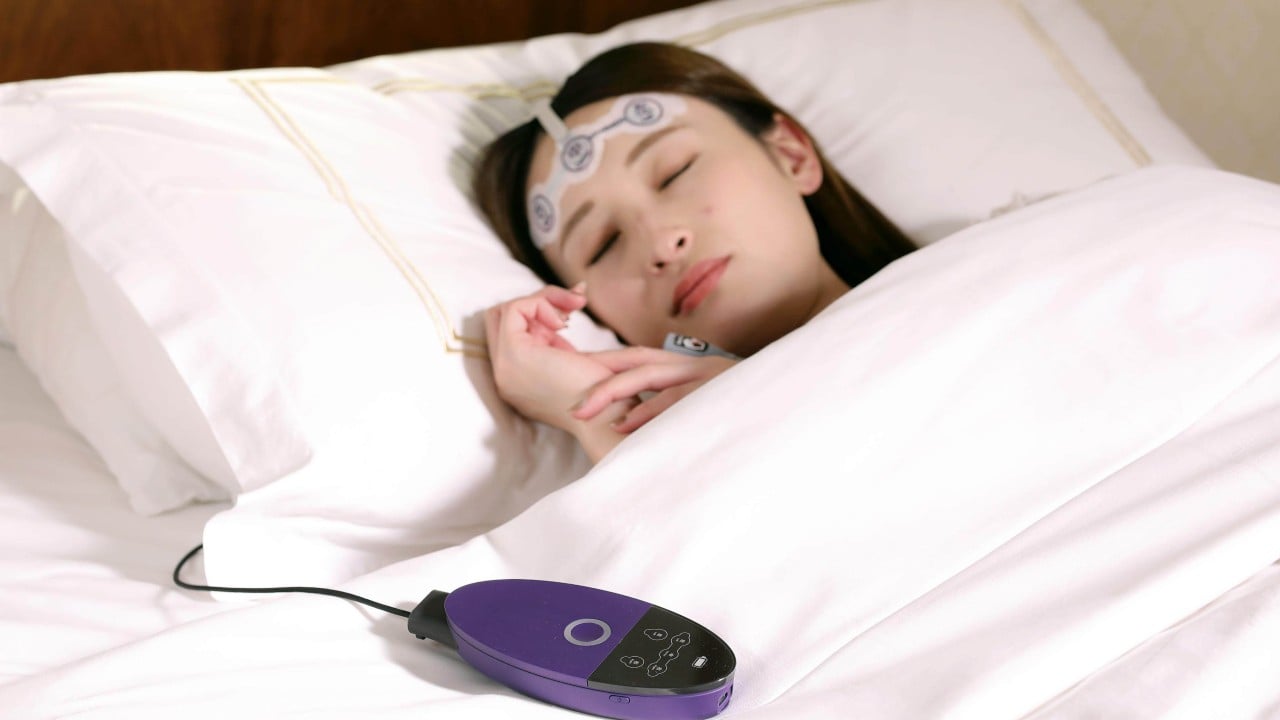
You check into a hotel room, toss your bags on the floor, and immediately strap a medical-grade sensor to your head. Sounds exhausting, right? Honestly, it’s the exact opposite.
Across Japan, hospitality brands are completely rethinking what an overnight stay means. Vacationers used to prioritize packing their itineraries with back-to-back sightseeing spots until they collapsed. Now, burnout has officially flipped the script. Travelers are trading rushed urban schedules for sleep tourism, turning luxury rooms into high-tech sleep labs.
If you're tired of waking up just as exhausted as when you went to bed, Japan's new wave of targeted rest might change how you travel forever.
The Science of Quiet: Brain Waves and Medical Advice
Forget counting sheep. High-end properties in Tokyo are bringing actual data science into the bedroom.
Take Hotel Chinzanso Tokyo, nestled in the quiet greenery of Bunkyo Ward. They offer specialized packages that hand guests a wearable device to track brain waves through the night. When you wake up, you don't just get a generic brochure about circadian rhythms. You sit down with an actual physician at an on-site clinic to analyze your deep-sleep metrics and get personalized medical feedback.
Data proves this isn't just a marketing gimmick. Recent hospitality pilot programs in Japan tracking sleep efficiency found that wakefulness after initially falling asleep dropped from over 64 minutes down to less than 50 minutes during optimized stays. Total sleep efficiency climbed past 88%. When you give the brain exact environmental adjustments, it responds immediately.
Custom Bedding and Tailored Aromas
You can't force deep rest on a generic mattress. That's why coastal properties like the Malibu Hotel in Kanagawa Prefecture take physical ergonomics seriously. Their restricted-access "Sleep Well Stay" plans build custom bedding profiles around your individual sleep posture and physical habits before you even pull back the covers.
Meanwhile, urban business hotels are tackling mental clutter through sensory design. At Hotel 1899 Tokyo in Shimbashi, the "Totono-ne" retreat plan uses a specialized tea diagnosis. You answer a few quick questions about your fatigue levels, and a tea sommelier matches you with custom-blended herbal infusions—like chamomile mixed with Mimasaka bancha—designed to calm your nervous system.
You get high-performance pillows with adjustable height levels, airweave mattresses used by elite athletes, and zero blue-light distractions. It's a masterclass in stripping away the friction of modern life.
How to Build Your Own Japanese Sleep Retreat at Home
You don't need to book a flight across the Pacific to steal these tactics. Replicating a high-end Tokyo sleep room comes down to three direct adjustments:
- Audit your mattress support: If you wake up with lower back stiffness, your mattress is likely too soft or mismatched to your side-sleeping posture. Look into modular toppers or firm Japanese-style futon principles that keep your spine aligned.
- Aromatherapy and scent cues: Switch off screens an hour before bed and introduce a warm, non-caffeinated herbal blend. The ritual of brewing a calming tea primes your brain for transition.
- Total darkness and temperature control: Japanese ryokans and modern hotels keep rooms pitch black and cool. Ditch the glowing alarm clocks and drop your thermostat.
Stop treating sleep as an afterthought on your next trip. Rest is the destination.
Better Sleep Starts With These Japanese Design Principles | Sleep Tourism
This video provides an engaging visual look at traditional Japanese design principles like minimalist spatial flow and the concept of a meaningful pause, which directly influence how modern hotels curate deeply relaxing environments for sleep tourists.
http://googleusercontent.com/youtube_content/1