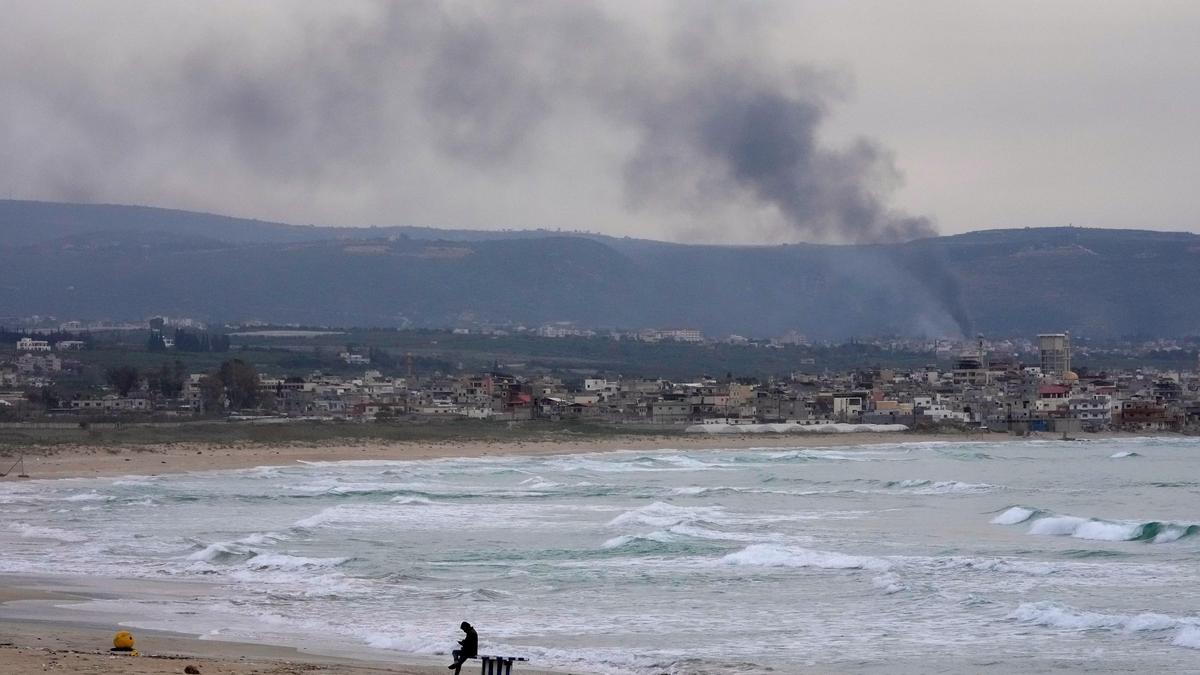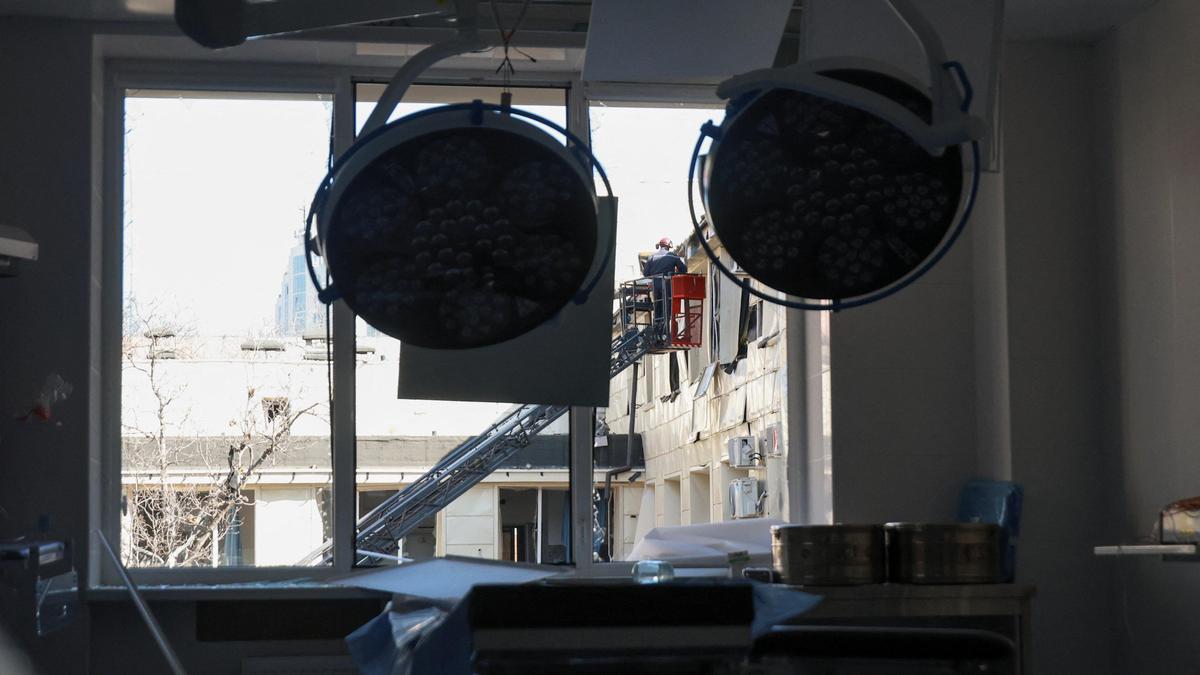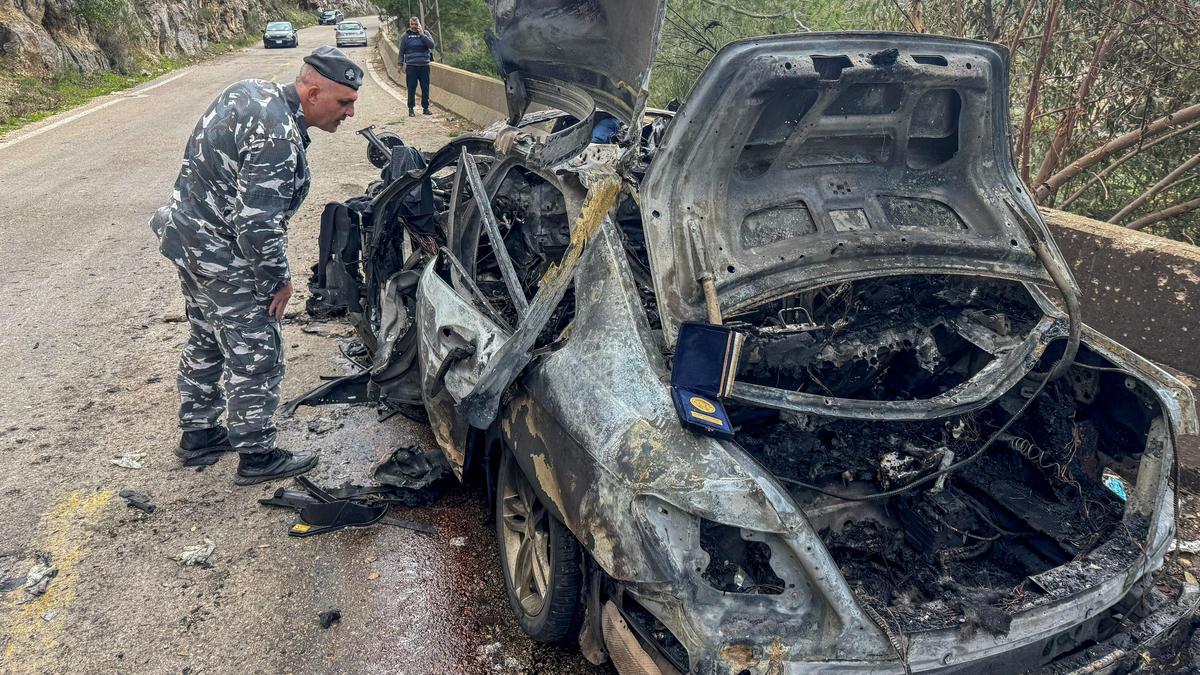
The pre-dawn quiet in Hasbaya didn't just break; it shattered. At 3:30 a.m., while eighteen journalists from seven different media outlets slept, an Israeli airstrike leveled a cluster of guest houses at the Hasbaya Village Resort. This wasn't a random frontline skirmish. It was a direct hit on a known media hub in a town that had, until that moment, been considered a safe haven.
Three media workers died instantly in their sleep. Ghassan Najjar, a veteran cameraman, and Mohammad Reda, a broadcast engineer, both worked for Al Mayadeen. Wissam Qassem was a camera operator for Al-Manar. These weren't "accidental" casualties caught in the crossfire. The strike used a U.S.-made Joint Direct Attack Munition (JDAM) to hit the exact building where the press corps was staying.
Targeted while they slept
I've talked to reporters who've covered conflicts across the Middle East, and they'll all tell you the same thing: Hasbaya was supposed to be the "safe" zone. Journalists had moved there specifically because other parts of southern Lebanon had become death traps. They weren't hiding. Their cars were parked outside, clearly marked with "PRESS" and "TV" in bold letters. They conducted live broadcasts from a nearby hilltop every single day at the same time.
If the Israeli military's surveillance is as sophisticated as they claim, there's no way they didn't know who was in those chalets.
Human Rights Watch and other investigative bodies found zero evidence of military activity or Hezbollah infrastructure at the resort. The IDF later claimed they hit a "military structure," but they haven't produced a shred of proof to back that up. When you drop a precision-guided 500-pound bomb on a guesthouse full of sleeping reporters, "oops" isn't a valid legal defense. It's a war crime.
The chilling effect on war reporting
This strike did exactly what it was designed to do: it terrified the people telling the story. Following the attack, many news crews packed up and left Hasbaya. When you take away the last safe vantage point, you effectively blind the world to what’s happening on the ground.
- The Message: If you report on the movement of troops or the impact of strikes, you're a target.
- The Weaponry: Remnants found at the scene showed the use of American-made JDAM kits, which converts "dumb" bombs into precision-guided missiles.
- The Victims: These weren't just names on a screen. Ghassan Najjar left behind a three-year-old son. He didn't carry a gun; he carried a lens.
Critics often point to the political affiliations of Al-Manar or Al Mayadeen to justify these hits. That’s a dangerous road to go down. International law is pretty clear: a journalist's employer doesn't strip them of their civilian status. Unless they're picking up a rifle and joining the fight, they're off-limits. Period.
A record breaking year for the wrong reasons
By the end of 2025, the numbers were staggering. The Committee to Protect Journalists (CPJ) reported that Israel was responsible for two-thirds of all journalist killings worldwide over a two-year period. We’re seeing a shift from journalists being "accidental" victims of war to being deliberate targets of state policy.
In Gaza and Lebanon, the "Press" vest, once a suit of armor, has become a bullseye. We saw this with Ismail al-Ghoul and Rami al-Rifi in Gaza, and we're seeing it repeated in Lebanon with more frequency.
It’s not just about the loss of life, though that’s tragic enough. It’s about the systematic destruction of the infrastructure of truth. When offices are bombed—as Al Mayadeen’s Beirut office was just days before the Hasbaya strike—and housing is targeted, the goal is total silence.
What happens when the cameras go dark
If we allow the targeting of journalists to become the "new normal," we lose the only independent check on military power. The world is getting tired of the news, sure. But we can't afford to be bored.
The next time you see a report from a conflict zone, look at the "Press" sticker on the car or the blue vest on the reporter. Understand that in 2026, that gear offers less protection than a paper shield.
The next step is holding the manufacturers of the munitions used in these strikes accountable. If American-made JDAMs are being used to assassinate sleeping engineers and cameramen, the legal departments at companies like Boeing have a lot of explaining to do. You can start by supporting organizations like the Committee to Protect Journalists (CPJ) or Reporters Without Borders (RSF), who are currently filing war crime complaints with the International Criminal Court.