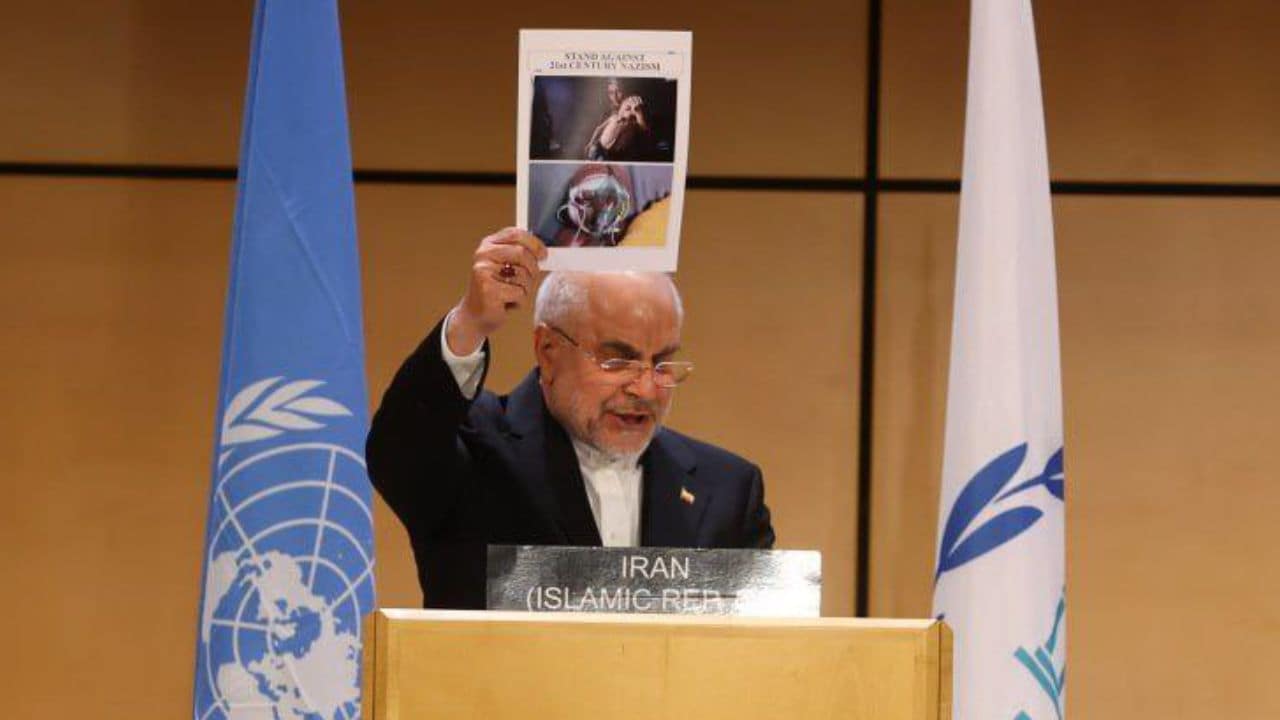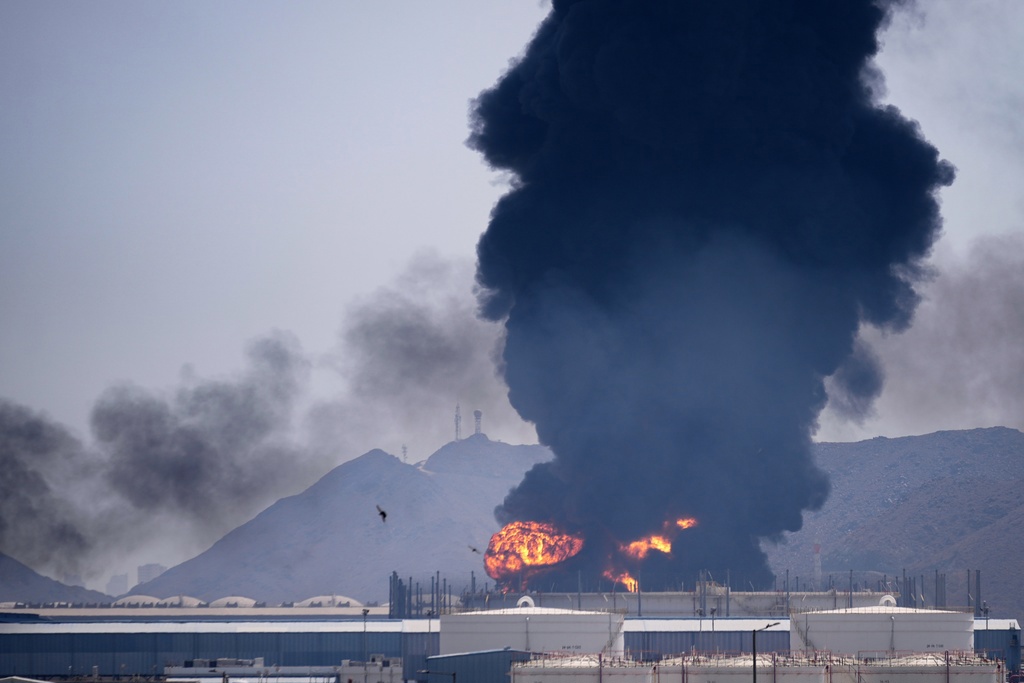
Iran just crossed a line it’s spent years dancing around. For the first time in this three-week-old war, Tehran didn’t just hint at trouble or use a proxy to do its dirty work. It issued a direct, unmistakable evacuation order for three major ports in the United Arab Emirates. We’re talking about Jebel Ali, Khalifa, and Fujairah—hubs that basically keep the global economy’s heart beating.
This isn't just another day of posturing. If you've been watching the Middle East, you know the routine: Iran usually targets "US assets" or "Israeli interests." But on Saturday, the rhetoric shifted. The Islamic Republic claimed the US used these civilian ports to launch strikes on Kharg Island. Without showing a shred of evidence, they labeled these Emirati ports "legitimate targets."
The timing is brutal. We're twenty days into a conflict that's already seen hundreds of missiles flying. But this specific threat against a neighbor's sovereign infrastructure is a massive escalation. It signals that Iran is willing to burn the entire neighborhood down if its own oil taps stay dry.
The Kharg Island Catalyst
Why now? It’s simple. On Friday, Donald Trump confirmed the US "obliterated" military sites on Kharg Island. This isn't just some remote outpost. Kharg is where Iran handles the vast majority of its oil exports. It's their economic lifeline.
When the US hit Kharg, they didn't just break hardware; they broke Iran's patience. Iranian Foreign Minister Abbas Araghchi wasn't subtle about the retaliation. He pointed the finger directly at the UAE, claiming the US launched low-range artillery from Ras Al-Khaimah.
If Iran follows through on targeting the UAE's non-US assets, the "regional war" we've all been fearing isn't a hypothetical anymore. It's here.
Why the UAE Ports Matter to You
You might think a port in Dubai or Abu Dhabi doesn't affect your daily life. You're wrong. Jebel Ali is the busiest port in the Middle East. It's a massive transshipment hub. If a missile hits a pier there, global supply chains don't just slow down—they snap.
- Oil Prices: Crude is already hovering near $120 a barrel. Analysts suggest a direct hit on UAE energy infrastructure could send that past $200.
- Shipping Insurance: Risk premiums for vessels in the Persian Gulf are skyrocketing. Some companies are already refusing to enter the Strait of Hormuz.
- Regional Stability: The UAE has tried to play a delicate balancing act for years. They host US bases but also maintain trade with Iran. That "island of stability" image is currently on fire.
The United Nations Security Council already passed Resolution 2817 earlier this week, condemning Iran’s "egregious attacks" on its neighbors. But resolutions don't stop drones. We’ve already seen debris from an intercepted Iranian drone spark a fire at an oil facility in Fujairah. The "accidental" hits are becoming intentional.
A Strategy of Desperation
Iran's move to threaten the UAE directly looks like a desperate attempt to force the Arab world to pressure Washington. It’s a classic hostage situation: "Tell your American friends to stop hitting me, or I'll break your windows."
The problem is that the US and Israel aren't backing off. US Defense Secretary Pete Hegseth recently claimed that the combined strikes have "functionally defeated" Iran’s ballistic missile production. If Tehran feels its back is against the wall and its conventional military is crumbling, they’re more likely to lash out at the easiest targets nearby.
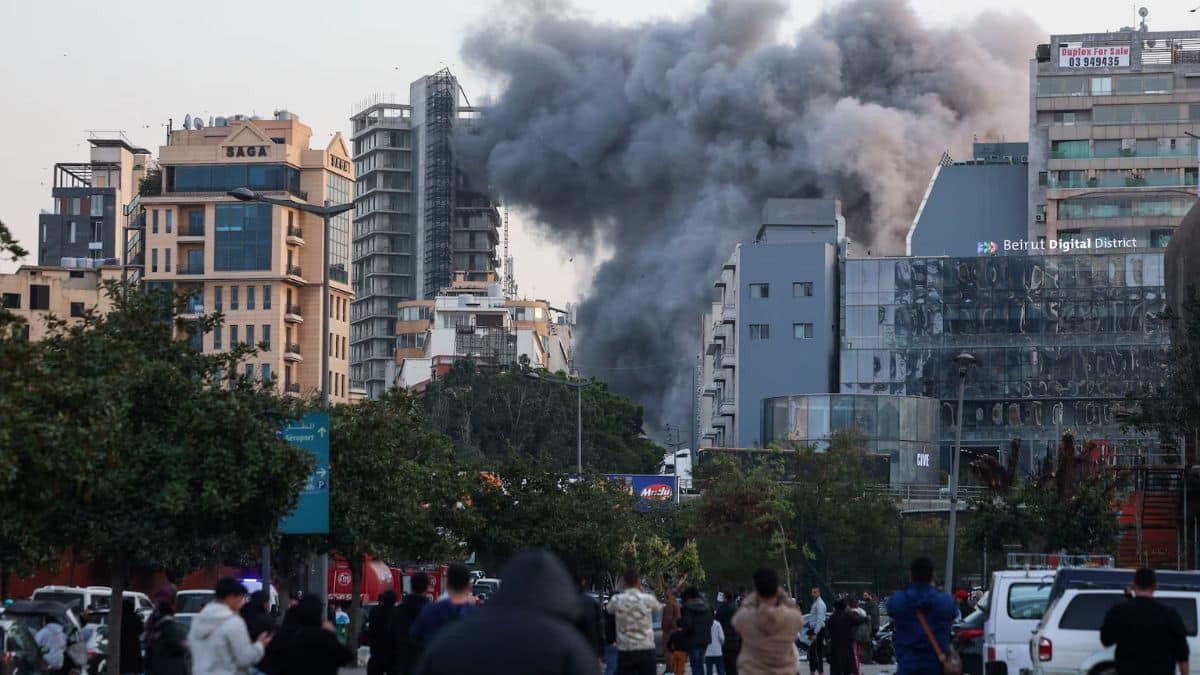
It’s a terrifying shift in the "Axis of Resistance" playbook. Usually, they let Hezbollah or the Houthis take the lead. But with Hezbollah fighting an "existential" battle in Lebanon and the Houthis relatively quiet lately, Tehran is stepping into the light itself.
Navigating the New Reality
If you have business interests in the Gulf or travel plans, the "wait and see" approach is over. The US State Department has already ordered non-emergency personnel to leave Jordan, and the warnings for the UAE are getting louder.
The Strait of Hormuz is effectively a no-go zone for many. If you're relying on goods coming through that corridor, expect massive delays.
Watch the rhetoric coming out of the Khatam al-Anbiya Central Headquarters. When they start naming specific civilian locations for evacuation, the window for diplomacy has usually slammed shut. Don't wait for the first explosion to update your contingency plans. Keep a close eye on the shipping lanes and the price of Brent crude; they'll tell you the real story long before the official press releases do.