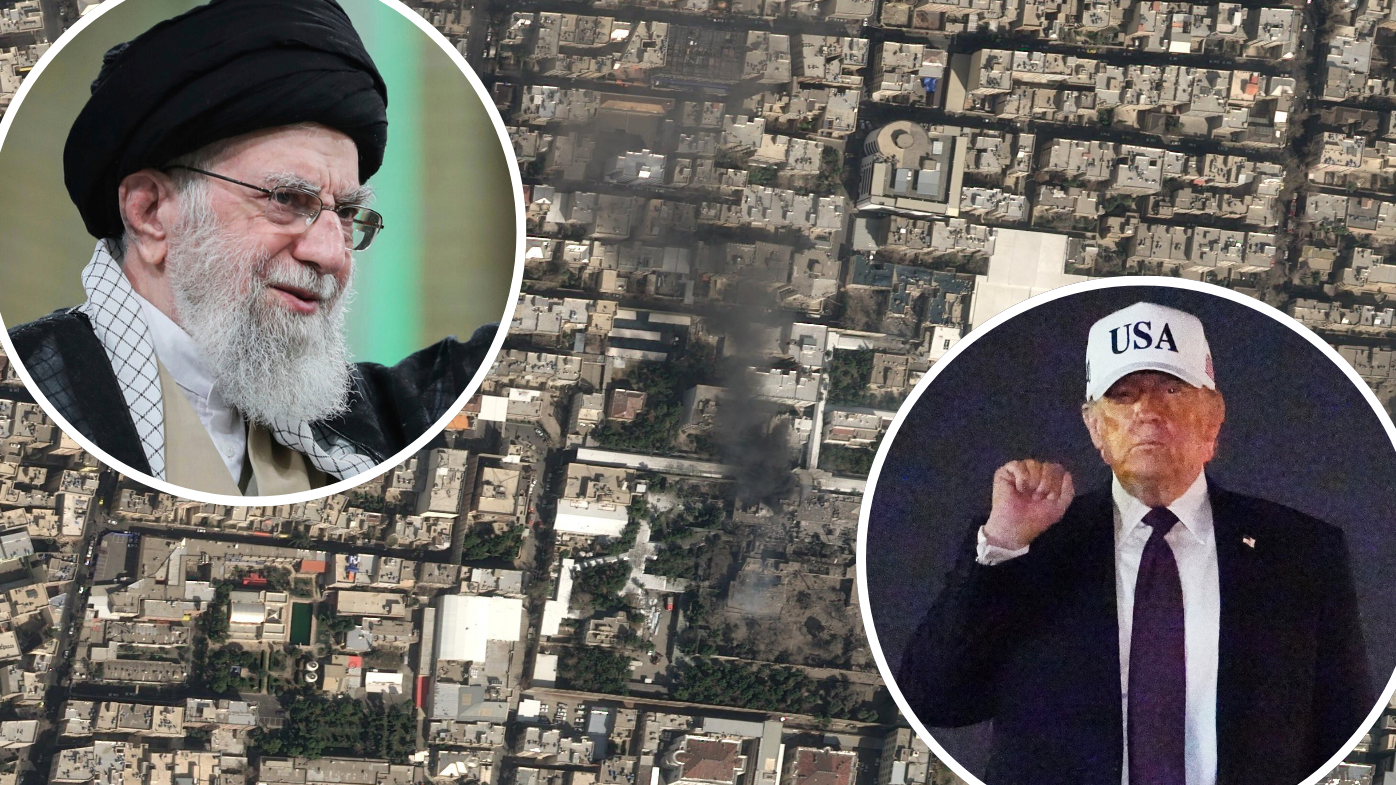
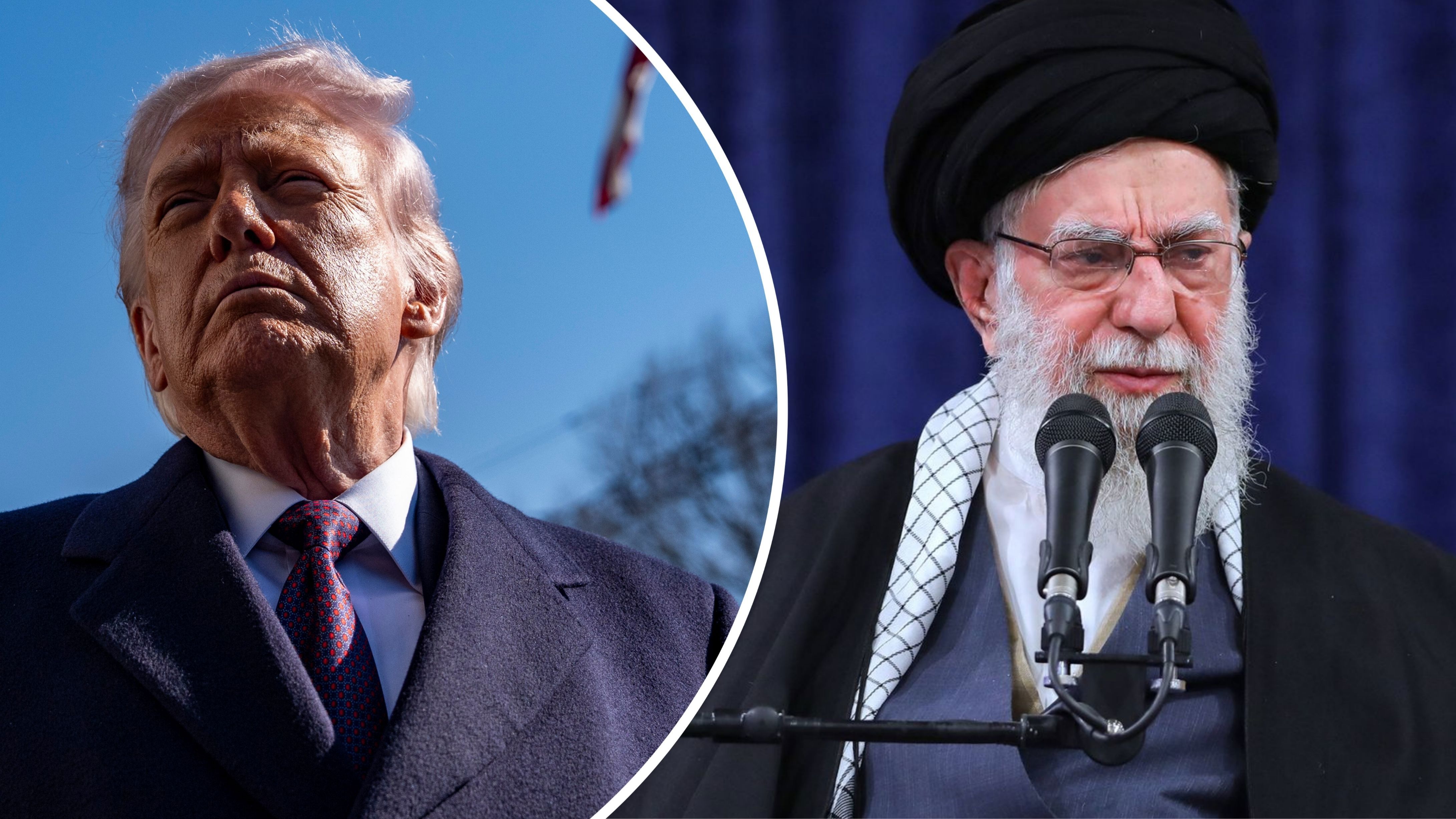
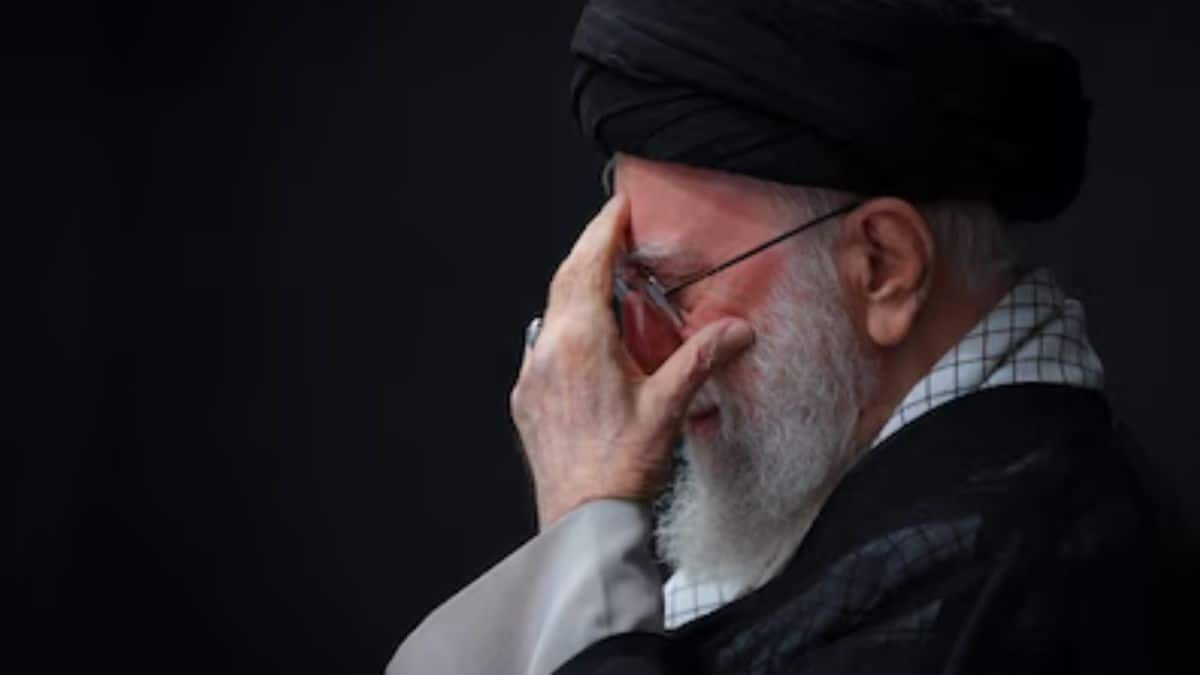
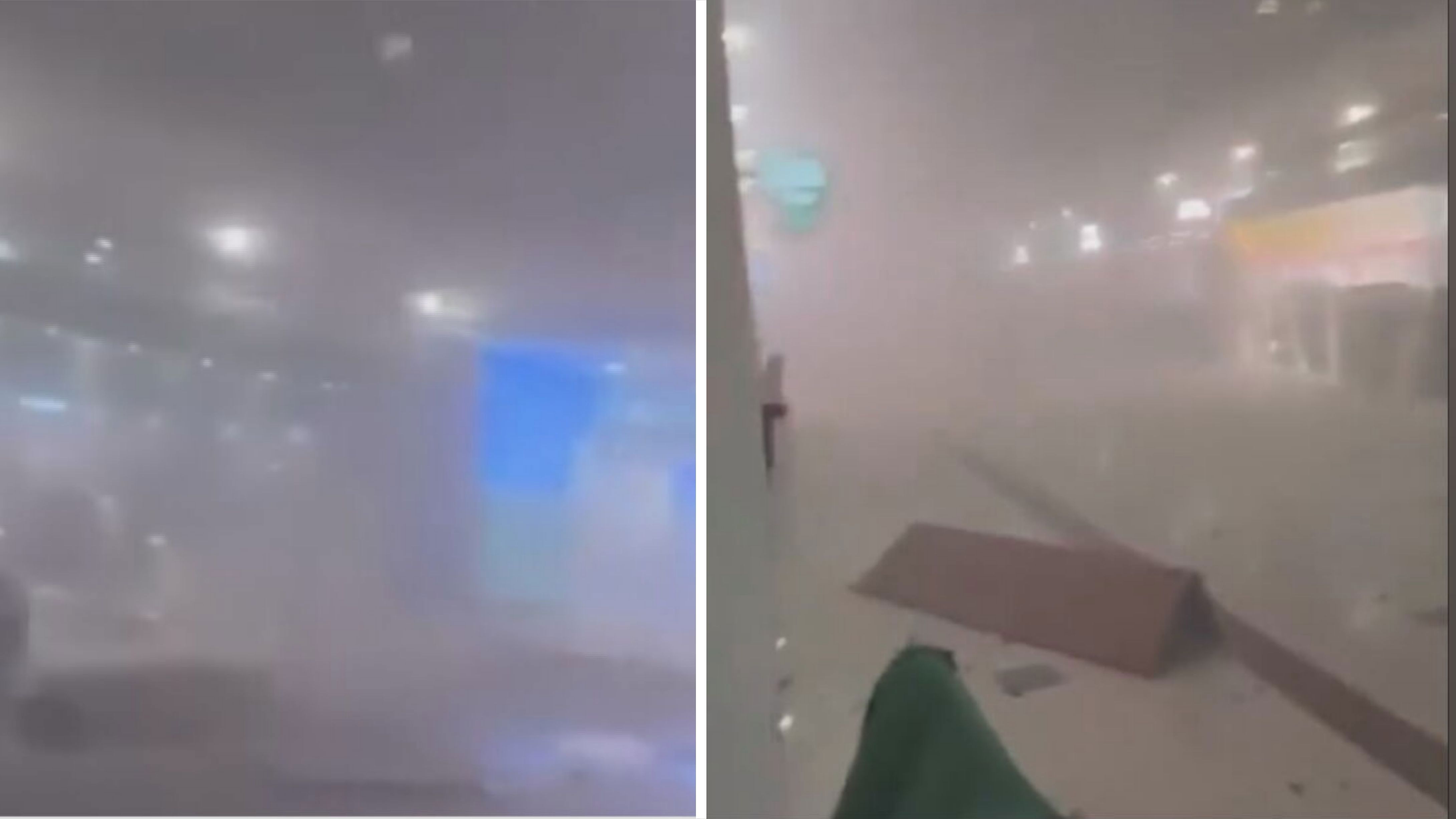
The fog of war is usually physical, a mixture of cordite and dust that obscures the battlefield. In the digital age, that fog is made of fragmented signals, leaked telegrams, and the deliberate silence of a regime in crisis. When Donald Trump publicly validated reports suggesting the death of Iran’s Supreme Leader, Ayatollah Ali Khamenei, he didn't just comment on a rumor. He ignited a global scramble for confirmation that the world’s intelligence agencies were not yet ready to provide. The statement "We feel that is a correct story" is not a formal briefing. It is a calculated gamble on the instability of a Middle Eastern powerhouse.
For decades, the health of the Supreme Leader has been the most closely guarded secret in Tehran. It is the structural keystone of the Islamic Republic. If that stone cracks, the entire arch of regional influence—stretching from the militias in Iraq to the shores of Lebanon—threatens to collapse. Trump’s willingness to lean into these reports suggests a shift in how the United States handles sensitive intelligence. Instead of waiting for the traditional "high confidence" assessment from the CIA or the DIA, the administration is using the power of the bully pulpit to force the Iranian government into a defensive posture. They are making Tehran prove its leader is alive, which is a much harder task than it sounds when a man is 86 years old and battling chronic illness.
The Architecture of Iranian Succession
To understand why this rumor carries such weight, one must look at the legal and spiritual framework of Iran. The Supreme Leader is not a president. He is the Vali-e Faqih, the guardian jurist who holds ultimate authority over the military, the judiciary, and the state media. Unlike a democracy, where a vice president steps in with a clear mandate, Iran relies on the Assembly of Experts to choose a successor. This is a body of 88 clerics who have spent years maneuvering in the shadows.
When the Leader is incapacitated, a vacuum forms instantly. The Islamic Revolutionary Guard Corps (IRGC) knows this. They are the true power brokers on the ground. For them, a dead Leader without a confirmed successor is a recipe for civil unrest or a coup from within the regular army. By validating reports of Khamenei’s demise, the U.S. puts the IRGC in a corner. They must either produce the Leader—even if he is on a ventilator—or risk a chaotic power struggle among the clerics that they cannot control.
The Verification Gap
Intelligence isn't a monolith. It is a mosaic of human intelligence (HUMINT), signals intelligence (SIGINT), and open-source data. In Iran, the HUMINT is notoriously difficult. The inner circle of the Supreme Leader is a tight-knit group of families and loyalists who have survived decades of purges. You don't just "overhear" things in the hallways of the Beit-e Rahbari.
Most reports of the Ayatollah’s death originate from exiled opposition groups or low-level leaks from hospital staff in Tehran. These sources are frequently biased or simply wrong. In 2006, 2009, and 2014, similar rumors flooded the wires. Each time, Khamenei eventually appeared in public, looking frail but functional. This creates a "cry wolf" dynamic that the current administration is now exploiting. If you repeat the report enough times, and the Leader doesn't appear for a week, the market reacts. The Iranian Rial drops. The protesters in the streets find new courage.
The danger lies in the "correct story" being a partial truth. The Ayatollah might not be dead, but he may be clinically brain-dead or in a deep coma. In the Byzantine world of Iranian politics, there is a massive difference between a funeral and a transition. If he is merely incapacitated, the IRGC can rule in his name for months, issuing decrees and maintaining the status quo while they scrub the files of their enemies.
The Trump Doctrine of Public Intelligence
Traditional diplomacy is built on the idea of the "controlled release." You hold information until you can use it as a scalpel. Trump handles it like a sledgehammer. By stating he "feels" the story is correct, he bypasses the bureaucratic vetting process that usually slows down American foreign policy. This isn't an accident. It is a deliberate strategy to keep adversaries off balance.
If the Ayatollah is alive, the U.S. looks like it has bad intel, but the damage to Iran’s internal stability is already done. If he is dead, Trump looks like a prophet who knew the truth before the mainstream media could confirm it. This "no-lose" scenario for the administration creates a massive headache for the State Department. Career diplomats are left to clean up the nuances, explaining to allies that "feeling" a story is correct is not the same as a formal declaration of state death.
The Role of the IRGC in the Aftermath
The Revolutionary Guard is the most significant variable in this equation. They are not just a military; they are a multi-billion dollar conglomerate that owns construction firms, telecommunications, and oil interests. Their primary goal is survival.
- Internal Security: They must prevent "Green Movement" style protests from turning into a full-blown revolution.
- Regional Proxies: They need to reassure Hezbollah and the Houthis that the money and weapons will keep flowing.
- Succession Control: They want a Leader who is either a figurehead or a hardliner who will not check their economic power.
The reports of death force the IRGC to accelerate their plans. If Mojtaba Khamenei, the Supreme Leader’s son, is indeed the heir apparent, his path to the throne is fraught with accusations of "hereditary rule," something the 1979 Revolution was supposed to end. The IRGC might prefer a weak cleric they can manipulate over a strong-willed son who has his own ideas about the military’s role in the economy.
The Geopolitical Ripple Effect
The Middle East is currently a tinderbox of overlapping conflicts. Israel is watching these reports with a mixture of hope and extreme caution. A leaderless Iran is an unpredictable Iran. If the command structure breaks down, does a local IRGC commander in the Persian Gulf take a shot at a U.S. destroyer to "prove" his loyalty? Does a Hezbollah cell launch a rocket barrage because they fear their funding is about to be cut off?
The "correct story" isn't just about a man’s heart stopping. It is about the collapse of a specific brand of theological governance. Since 1979, the world has known what to expect from Tehran: a steady, ideological hostility. A transition period introduces a level of entropy that the global oil markets hate. Crude prices don't care about the Ayatollah’s soul; they care about the Strait of Hormuz. If there is a "correct story" regarding his death, it usually means a 5% to 10% spike in oil prices overnight as traders price in the risk of a civil war in a major producing nation.
Why the Silence from Tehran is Deafening
In a normal country, a rumor of the head of state’s death is met with a live television appearance within the hour. In Iran, the response is usually a series of grainy photos from a "meeting" that happened three days ago, or a pre-recorded message played on state radio. This lack of transparency is what gives Trump’s comments their power.
If the Ayatollah were healthy, he would be at Friday prayers. He would be meeting with the heads of the three branches of government. He would be visible. The fact that the Iranian government has to rely on "sources close to the office" to deny the rumors suggests that, at the very least, a major health crisis is underway. The "correct story" might not be that he is in a coffin, but that the era of his absolute control has effectively ended.
The transition of power in a nuclear-threshold state is the most dangerous moment in modern geopolitics. When the leader of the free world validates the rumor of that transition, the window for a peaceful shift closes. We are moving into a period where the intelligence doesn't matter as much as the narrative. If the world believes the Ayatollah is gone, he is gone, regardless of whether he is still breathing in a bunker beneath Tehran.
The IRGC's next move will define the decade. They will either double down on repression to show strength or they will fracture along the lines of those who want to negotiate with the West and those who want to burn the house down. Trump’s comment wasn't an observation; it was a match dropped into a room full of gasoline. The only question left is how much of the Middle East goes up in flames during the succession.
Watch the movement of the 15th Khordad Foundation and the bonyads. These charitable trusts hold the wealth of the revolution. If their leadership starts shifting or if funds are moved offshore, you will have your confirmation. You won't need a press release from Tehran or a tweet from Washington. The money always knows when the King is dead before the palace guards do.