Oil isn't just a commodity. It's the fragile pulse of modern civilization. When Houthi drones and missiles slammed into Saudi Aramco facilities and military airbases, the illusion of impenetrable energy infrastructure shattered completely. You didn't just watch a regional skirmish unfold on your evening news. You watched a terrifying blueprint for modern asymmetric warfare.
For decades, energy superpowers operated under a comforting assumption. They believed massive multi-billion-dollar oil refineries and heavily fortified military airbases were immune to low-cost threats. They spent billions on sophisticated, Western-made defense shields designed to intercept traditional ballistic missiles and fighter jets. But wars don't look like that anymore.
The Anatomy of Asymmetric Strikes
Low-cost drones changed everything overnight. These aren't high-tech fighter jets costing tens of millions of dollars. They are cheap, commercially available components strapped with explosives, flying low under radar horizons, and programmed with GPS coordinates.
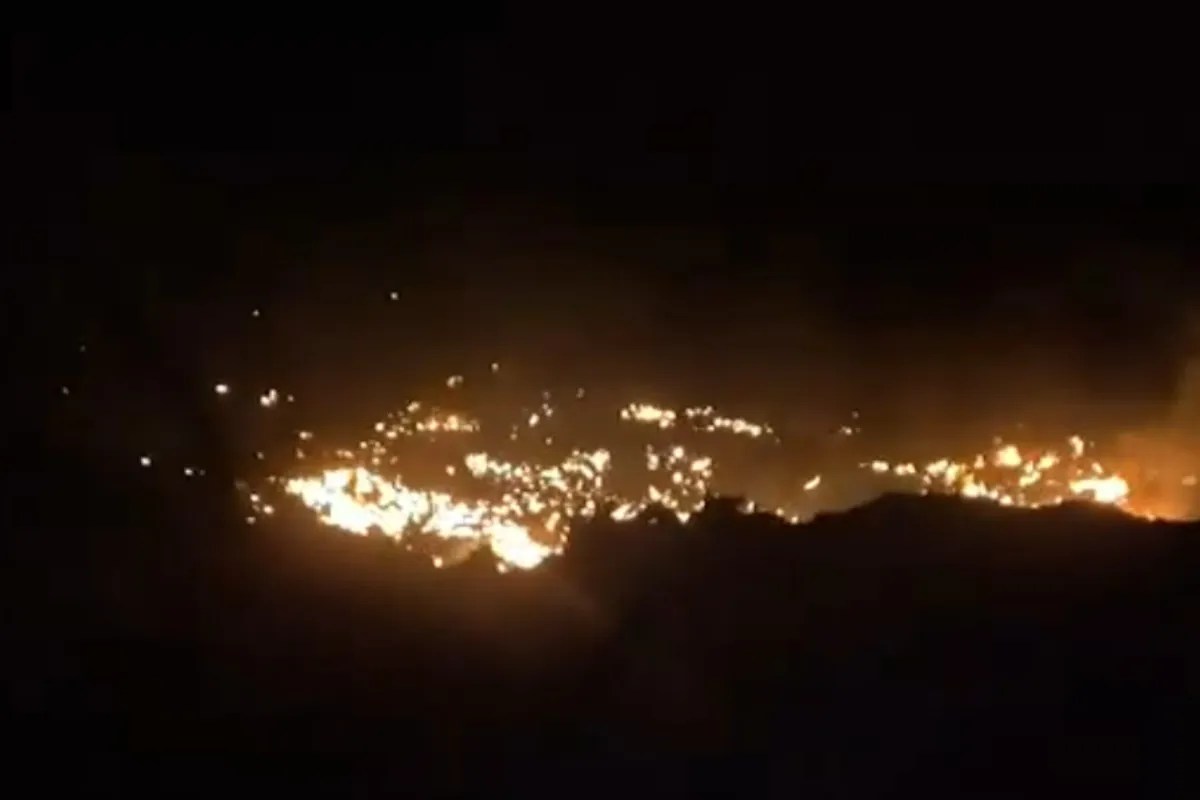
When Houthi forces targeted Saudi Aramco's core processing hubs like Abqaiq and Khurais, they proved that a few thousand dollars of hardware could temporarily halt a significant portion of global oil production. Riyadh learned a brutal lesson. Traditional air defense systems aren't built for swarms of slow, low-flying aerial threats.
Military airbases across the region faced similar vulnerabilities. Jet fighters parked neatly on tarmacs make prime targets when an adversary trades expensive missile batteries for cheap loitering munitions. You can't shoot down a fifty-thousand-dollar drone with a three-million-dollar interceptor missile forever. The math simply doesn't work. Economists call it asymmetric warfare. I call it a wake-up call that policymakers ignored for far too long.
Why Saudi Aramco Is the Ultimate Target
Saudi Aramco isn't just a corporate entity. It's the beating heart of global petroleum supply. When production lines at Abqaiq take a direct hit, global markets convulse within seconds. Crude prices spike. Supply chains panic.
The strategy behind these attacks is brutally simple. Cripple the processing infrastructure rather than the oil wells themselves. You can cap a well relatively easily, but replacing custom-built stabilization towers, gas-oil separation plants, and massive compression units takes months.
During past strikes, oil production dropped by millions of barrels a day in a matter of minutes. Investors panicked. Energy traders watched terminals in absolute disbelief. If you want to hurt an economic titan, you don't attack its headquarters in Riyadh. You strike the sprawling industrial complexes hidden in the desert that keep the world's cars running and factories humming.
The Regional Power Struggle Behind the Smoke
You cannot separate these attacks from the broader geopolitical catastrophe playing out in Yemen. What started as an internal civil war morphed rapidly into a proxy theater for regional dominance.
On one side stands the Houthi movement, backed by material and technological support from Tehran. On the other stands a Saudi-led coalition trying desperately to restore internationally recognized governance and secure its southern border.
Tehran denies direct involvement, pointing to the indigenous manufacturing capabilities of the Houthi movement. Intelligence agencies tell a different story. They trace guidance systems, engine parts, and missile components back through smuggling routes across the Gulf of Oman. It's a messy web of deniability, drone shipments, and ballistic missile upgrades.
Meanwhile, the humanitarian cost in Yemen climbs into unimaginable territory. Millions face famine, displacement, and disease while geopolitical heavyweights trade blows through proxy forces. The strikes on Saudi oil installations served a dual purpose. They inflicted economic pain on Riyadh while demonstrating Tehran's reach across the Arabian Peninsula.
How Energy Giants Are Adapting to the New Threat
Refineries aren't sitting ducks anymore. Security budgets skyrocketed across the Middle East. Energy executives realized that physical walls and traditional Patriot missile batteries aren't enough to secure sprawling desert installations.
Companies are pouring money into electronic jamming systems, radar nets optimized for tiny cross-section drones, and directed-energy weapons. They're decentralizing operations too. Instead of relying on massive, centralized processing hubs that invite catastrophic failure, engineers are designing modular facilities that can absorb a strike without bringing down an entire national grid.
Insurance companies changed their tune as well. Maritime shipping lanes near the Red Sea face constant threats from marine drones and missile fire. Tanker operators demand higher premiums. Shipping insurance rates skyrocketed. Every barrel of oil now carries a hidden security tax paid by consumers at the pump.
The Brutal Reality of Modern Energy Security
We live in a fragile world. The idea that turning on your kitchen stove or filling your car tank happens in a vacuum of secure supply chains is a comforting myth.
When Houthi fighters launch drones across borders, they expose the soft underbelly of globalization. Energy infrastructure is too vast to protect completely. Every mile of pipeline, every offshore platform, and every inland refinery represents an inviting target for asymmetric actors.
Governments keep promising total security. They sign defense pacts, deploy radar arrays, and issue stern warnings. Yet the fundamental vulnerability remains. A determined adversary with cheap technology can always find a gap in the armor.
Stop pretending that traditional military dominance guarantees economic stability. The drone age leveled the playing field in the most dangerous way possible. Keep your eyes on the skies above the Gulf, because the next disruption isn't a question of if, but when.