The release of visual media depicting the wreckage of a modern high-performance strike aircraft over contested regional airspace shifts the analytical focus from strategic posturing down to the raw physics of air defense economics. When irregular ground forces publish footage claiming the destruction of advanced multi-role fighters such as the F-15, the core phenomenon demands an evaluation through the lens of asymmetric attrition rather than isolated combat statistics. Understanding this dynamic requires breaking down the operational mechanics, capability gaps, and cost asymmetries that dictate modern aerial warfare in regional conflicts.
The Cost Asymmetry of Air Defense Operations
The fundamental vulnerability of advanced air power in asymmetric conflicts lies in the stark financial and logistical disparity between fixed-wing strike platforms and decentralized surface-to-air systems.
- Platform Replacement Cost: Fourth-generation and generation-plus platforms represent tens of millions of dollars in capital expenditure, alongside extensive pilot training pipelines that take years to mature.
- Munition Scalability: Irregular actors relying on modified surface-to-air missiles or repurposed systems operate on a vastly compressed marginal cost per engagement.
When a modern strike asset operates within an envelope influenced by localized ground-based threats, the defender does not need absolute air superiority or radar-network integration to impose risk. The presence of persistent low-cost intercept vectors forces offensive planners into extended altitude bands or heavier electronic countermeasures, which inherently degrade mission efficiency.
The Mechanics of Visual Verification and Information Operations
In contemporary regional flashpoints, media releases serve as tactical instruments designed to achieve strategic psychological effects. The lifecycle of these claims follows a predictable operational pattern:
- The Intercept Event: Physical engagement occurs within contested airspace, typically over transitional zones where terrain masking allows air defense units to minimize early radar detection.
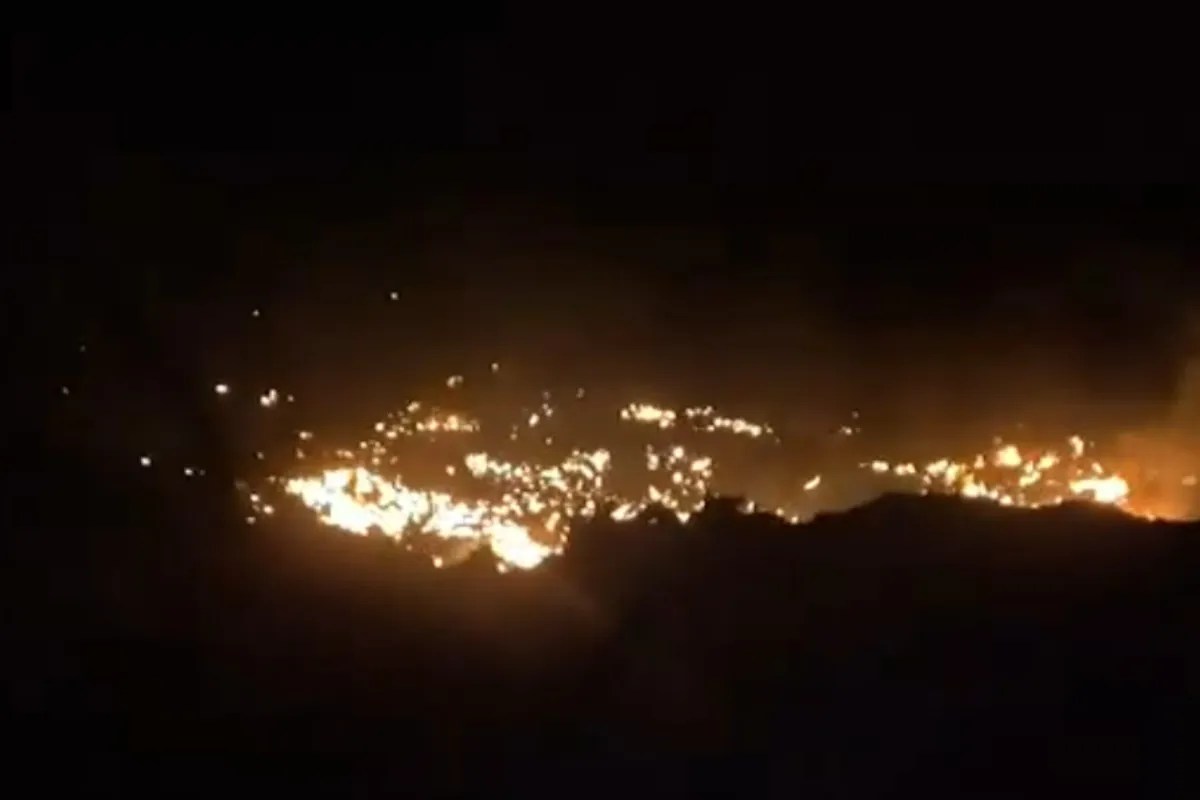
- Media Curation: Visual evidence is fragmented, mixing nighttime thermal or fire aftermath footage with daytime wreckage inspection to maximize ambiguity and public interest.
- Strategic Signaling: The timing of such releases correlates directly with broader diplomatic stalemates, retaliatory airstrike campaigns, or domestic pressure points within the coalition executing offensive operations.
Rigor demands separating the physical reality of a downed platform from the propaganda value of its broadcast. Independent verification remains structurally difficult because the territory is controlled entirely by the publishing force, turning every piece of released footage into a controlled narrative asset rather than an unvarnished audit trail.
Operational Vulnerabilities in Contested Airspace
Operating heavy strike platforms in proximity to persistent asymmetric threats exposes inherent tactical trade-offs. Tactical doctrine prioritizes standoff precision munitions, but persistent close air support or reconnaissance requirements frequently force aircraft into lower or slower flight regimes.
- Signature Management: Even advanced radar-warning and countermeasure suites face operational constraints when dealing with localized, uncoordinated electro-optical or improvised tracking methods.
- Logistical Footprint: Sustaining high- sortie rates over extended geographical distances creates predictable operational tempos. Ground forces monitor these predictable rhythms to position mobile defense assets along likely ingress and egress corridors.
Strategic Forecast and Systemic Adaptation
The recurrence of these incidents signals a permanent shift in regional deterrence. Traditional air dominance doctrines assume a permissive or rapidly sanitized airspace. When irregular forces acquire the means—however improvised—to threaten high-value assets, the risk calculus for air campaign commanders transforms fundamentally.
The strategic adaptation going forward relies on shifting toward unmanned surveillance and long-range standoff delivery systems that remove human pilots and expensive airframes from the immediate threat ring. Until air forces decouple tactical presence from high-value manned platforms, the asymmetry of modern air defense will continue to favor the low-cost defender willing to absorb tactical losses for strategic visibility.