The Foreign Office has shifted its stance from caution to urgent avoidance. For any British national currently holding a passport and a plane ticket toward the Persian Gulf, the message is no longer about staying alert in crowds or watching the local news. It is a directive to stay away entirely. This escalation follows a series of intelligence briefings suggesting that the risk of arbitrary detention and state-level hostility has reached a threshold not seen in decades. The British government is effectively signaling that it can no longer guarantee the safety—or the extraction—of its citizens within Iranian borders.
The Reality of Consular Limits
When the Foreign, Commonwealth & Development Office (FCDO) advises against all travel, it isn’t a suggestion. It is a legal and logistical disclaimer. If you choose to enter Iran today, you are essentially stepping off the map of British diplomatic protection. The UK does not have an embassy in Tehran that functions like a standard consulate; operations are skeletal and subject to the whims of the Islamic Revolutionary Guard Corps (IRGC).
British-Iranian dual nationals face a specific, heightened danger. Iran does not recognize dual nationality. To the authorities in Tehran, a British-Iranian is simply an Iranian citizen who has committed the perceived sin of seeking Western residency. This legal grey area has been used for years as a lever in geopolitical negotiations. We have seen it with Nazanin Zaghari-Ratcliffe and others—individuals who become pawns in a high-stakes game of "hostage diplomacy" where the currency is often frozen assets or prisoner swaps.
Why the Threat Level Spiked Now
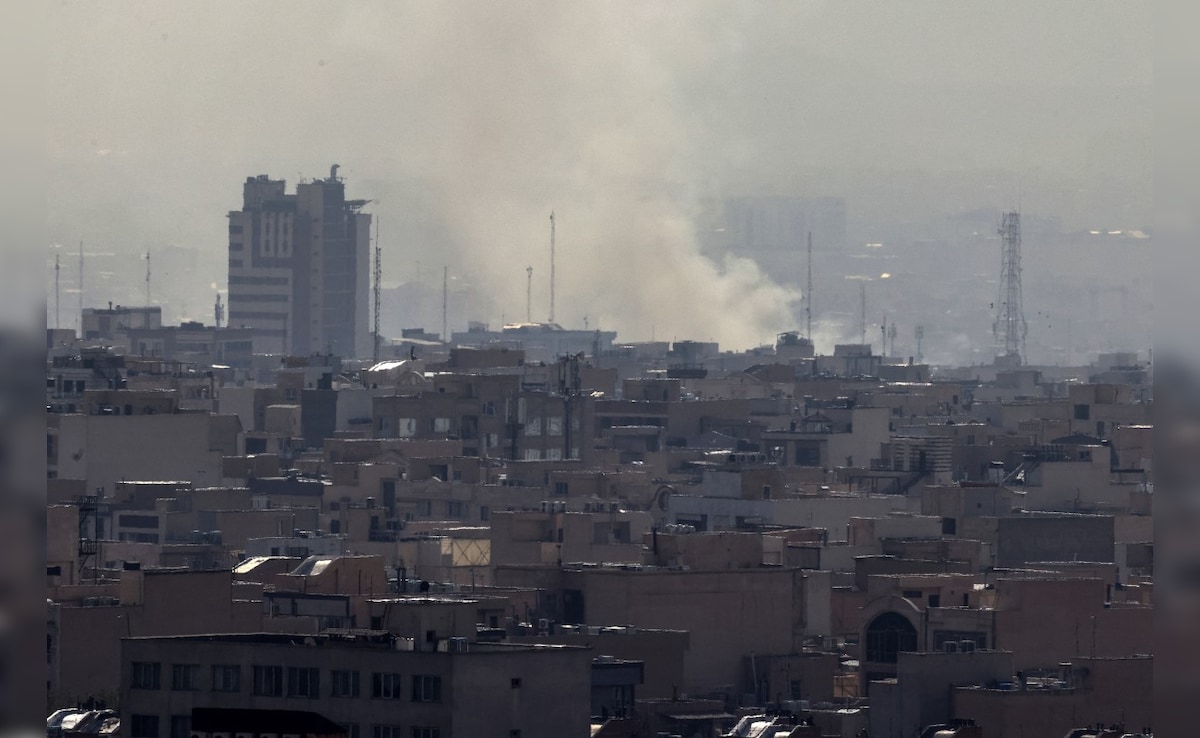
The current instability isn't just about old grudges. It is a direct reaction to the collapsing security environment across the Middle East. As regional proxies engage in more frequent skirmishes, the Iranian state apparatus has become increasingly paranoid about internal dissent and external espionage. This paranoia manifests as a dragnet.
Intelligence analysts point to three specific triggers for the recent "Major Warning" issued to UK citizens:
- Increased Electronic Surveillance: Foreigners are being tracked with sophisticated facial recognition and digital monitoring tools that flag even minor deviations from tourist itineraries.
- The Drone Factor: The export of Iranian military hardware to conflict zones has put Tehran under a microscope. Anyone with a background in tech, engineering, or academia is now viewed as a potential intelligence asset for the West.
- Tit-for-Tat Sanctions: Every time London freezes an account or bans a regime official, the risk to the average British traveler on the streets of Isfahan or Shiraz increases.
The "why" is simple: leverage. A British passport is currently a liability in Iran because it represents a valuable bargaining chip for a regime that feels increasingly cornered by international pressure.
Beyond the Border The Regional Ripple Effect
The warning doesn't stop at the Iranian border. The FCDO has extended its concern to the surrounding maritime routes and neighboring territories. The Strait of Hormuz, a chokepoint for a massive percentage of the world's oil, is a zone of unpredictable maritime seizure. For those working in the shipping or energy sectors, the "travel warning" is a professional red alert.
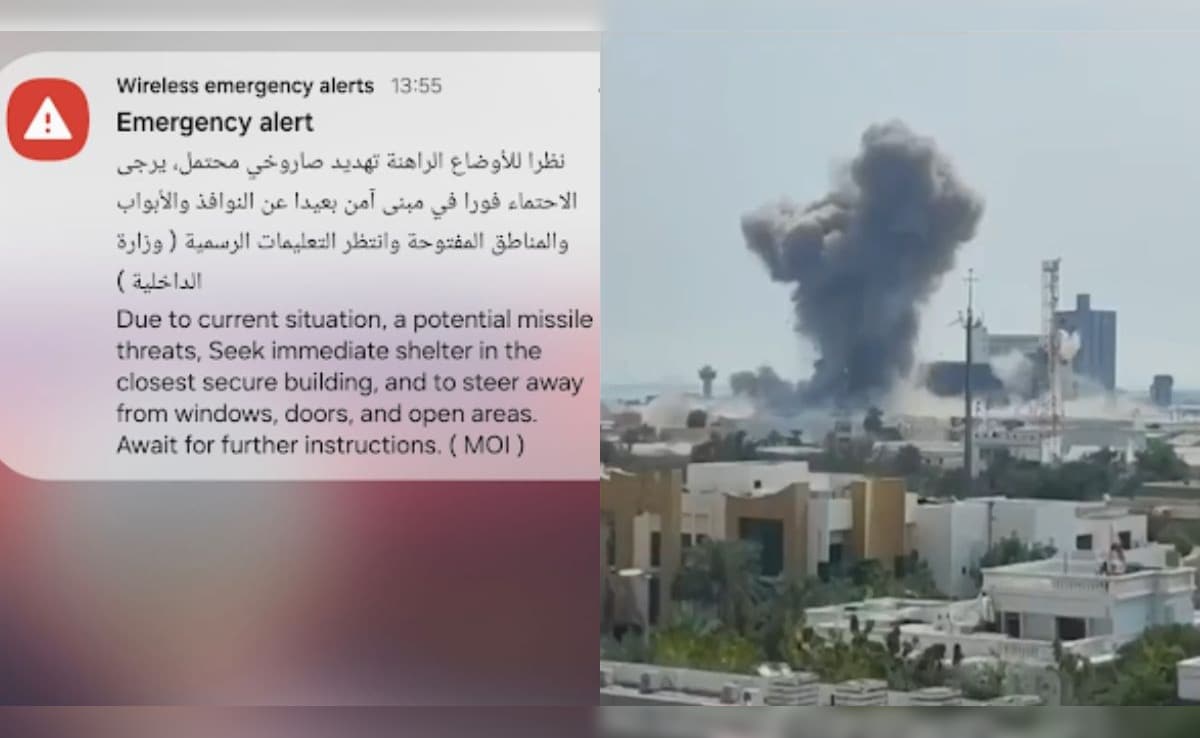
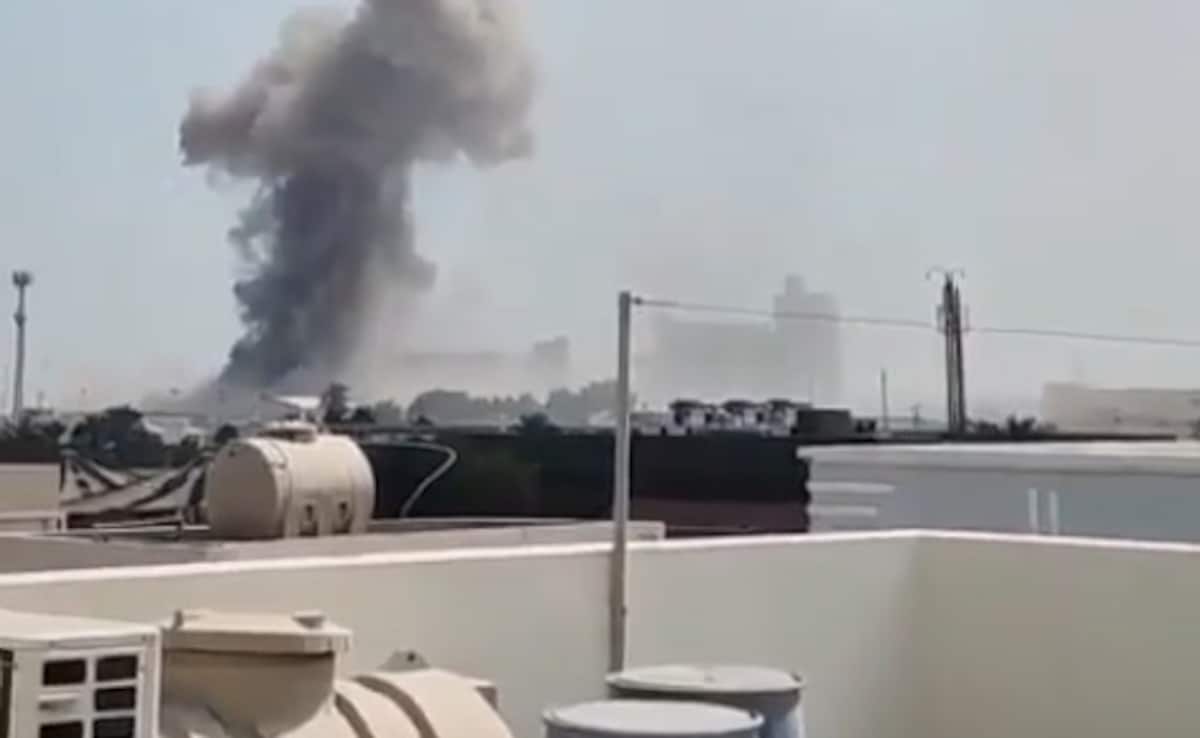
We are seeing a trend where regional travel is being re-evaluated. It’s not just about Iran itself; it’s about the risk of being caught in the crossfire of a miscalculation. A stray missile or a "deniable" drone strike doesn't check the nationality of the people in the building it hits. This is the "grey zone" of modern warfare—an environment where there is no formal declaration of war, but the danger to civilians is just as terminal.
The Myth of the Safe Tourist Route
There is a persistent narrative among "adventure travelers" that the Iranian people are incredibly welcoming and that the government ignores tourists. While the first half is true—Persian hospitality is legendary—the second half is a dangerous delusion. The IRGC operates independently of the tourism ministry. You can be enjoying tea in a bazaar one moment and be in an interrogation room the next because you took a photo of a building that didn't look like a military installation but happened to be one.
The "safe" route no longer exists. Even organized tours are being scrutinized. If your guide has a distant cousin in the security forces who wants to score points with their superiors, your "cultural exchange" becomes a criminal investigation.
The Insurance Dead End
There is a practical, financial wall that many travelers overlook. The moment the FCDO issues an "Advise Against All Travel" notice, almost every standard travel insurance policy becomes void. If you are injured, if you are detained, or if you need an emergency medical evacuation, you are on your own.
Private security firms that specialize in extractions often refuse to operate in Iran because the risk of their own staff being seized is too high. You are looking at a scenario where no amount of money can buy your way out of a legal entanglement with the Iranian judiciary. This is a system where the "rule of law" is secondary to the preservation of the revolutionary state.
Strategic Patience is Over
For years, the Foreign Office tried to maintain a level of "constructive engagement." That era is dead. The shift in tone reflects a realization in London that the Iranian government is no longer interested in the traditional rules of diplomatic engagement.
This isn't just a travel advisory; it's an admission of a broken relationship. The UK is effectively telling its citizens that the bridge is out. If you try to cross it, don't expect a rescue team to follow you into the abyss. The geopolitical climate has soured to the point where a single British tourist in the wrong place at the wrong time could trigger a month-long international crisis.
Check your flight paths. If your journey involves a layover or a connection that skirts Iranian airspace or territorial waters, consult with your carrier immediately. The risks are no longer theoretical. They are documented, they are escalating, and they are being ignored by the reckless at their own peril. If you are in Iran, leave while commercial options are still on the table. If you are planning to go, unpack your bags.
Verify your emergency contact details with the FCDO's crisis management service before you consider any travel to the wider region.