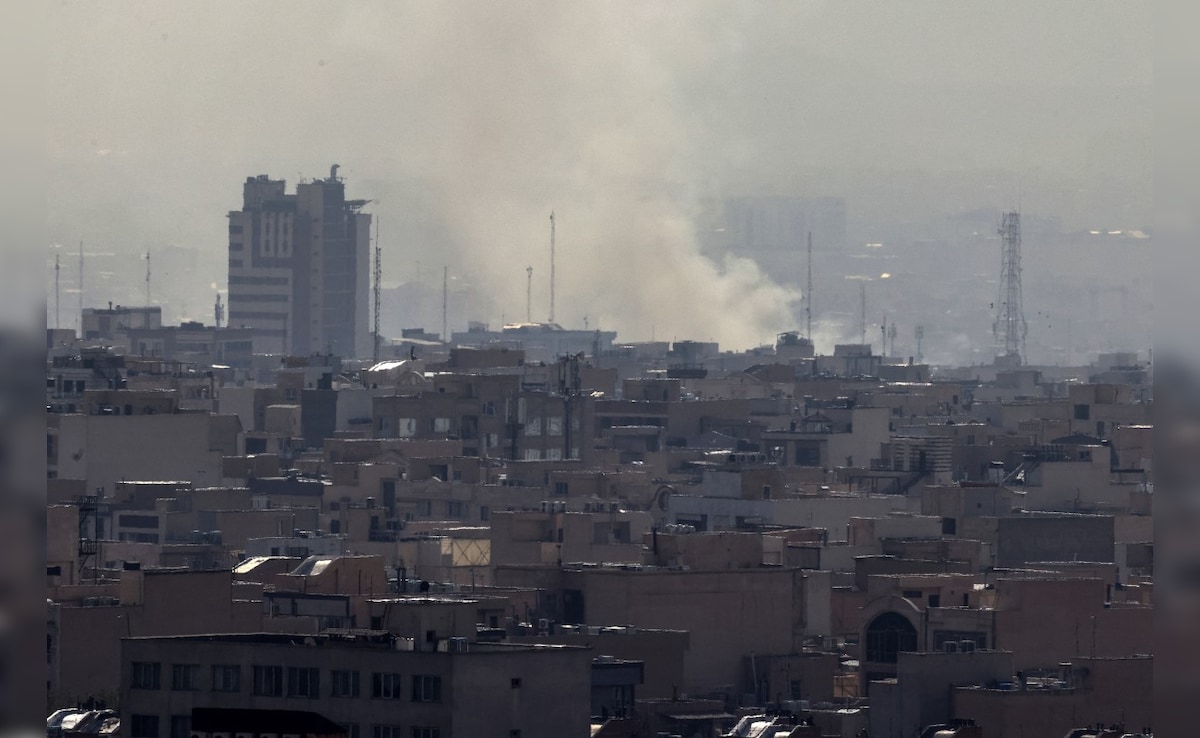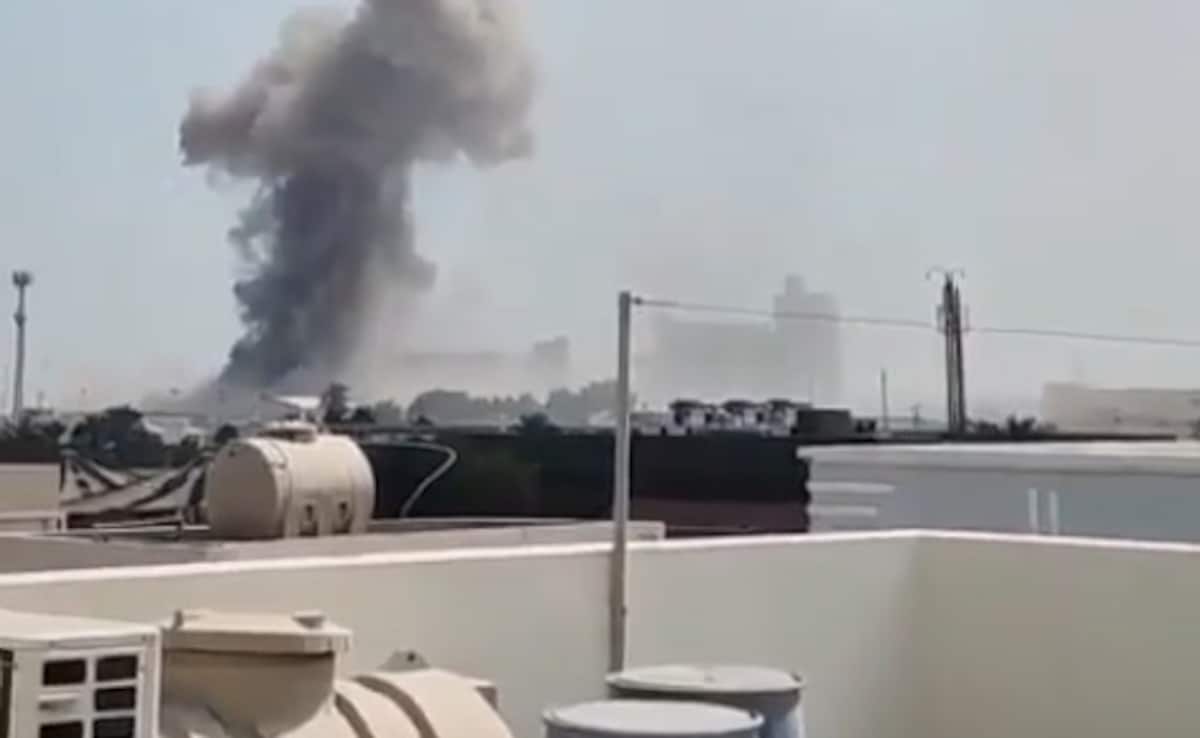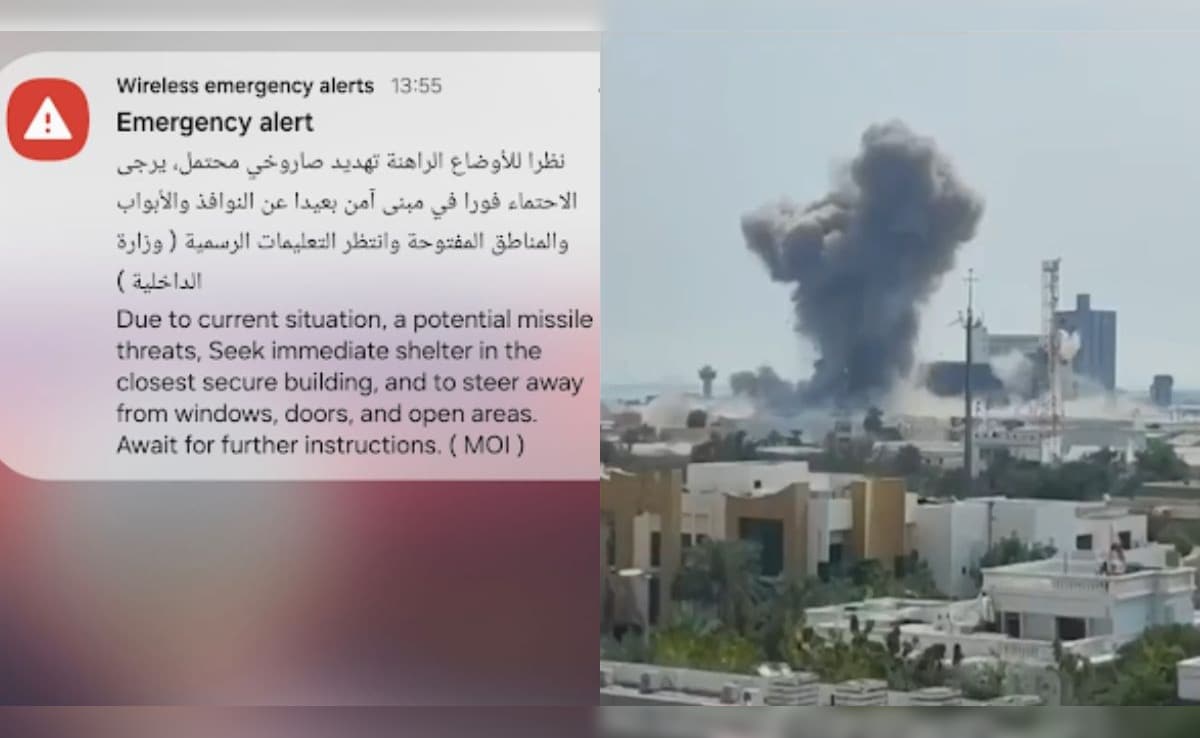
When the sirens of the National Emergency Crisis and Disasters Management Authority (NCEMA) blared across the smartphones of millions in Abu Dhabi this week, it wasn't a drill or a technical glitch. It was a digital command to halt a global metropolis in its tracks. Residents found themselves staring at high-contrast emergency banners advising them to stay indoors, secure their property, and avoid the coastal roads as a massive weather system swept across the Arabian Peninsula. While the alerts were technically successful, the event exposed the raw friction between a city built for the future and a climate that is increasingly unpredictable.
Abu Dhabi is not just a city; it is a $1 trillion experiment in desert habitability. When an atmospheric river of this magnitude hits a region designed for heat rather than inundation, the infrastructure begins to whisper its secrets. The alerts were the first line of defense, but the real story lies in what happens when the digital warnings end and the physical reality of the storm takes over.
The Architecture of an Emergency Alert
Most residents view the emergency buzz as a nuisance, a startling vibration that interrupts a meeting or a nap. Behind that notification is the Cell Broadcast Service (CBS), a technology that bypasses the typical congestion of a cellular network. Unlike a standard SMS, which can get stuck in a queue during a crisis, CBS broadcasts to every handset connected to a specific tower simultaneously.
This system is the backbone of the UAE’s safety protocol. It is designed to be unignorable. During this recent event, the authorities utilized a tiered approach, targeting specific zones prone to flash flooding, particularly the low-lying wadis and the construction-heavy corridors where drainage remains a work in progress. The logic is simple. If you can keep the cars off the road, you prevent 80 percent of the casualties associated with urban flooding.
However, the efficacy of a digital alert is only as good as the public’s willingness to comply. In a city driven by 24/7 commerce and a massive logistical workforce, "staying home" is a luxury not everyone can afford. We saw delivery riders on motorbikes navigating knee-deep water despite the red alerts on their screens. This disconnect highlights a critical gap in urban crisis management: the tech works, but the economic pressures often override the warning.
Why the Desert Can No Longer Manage Water
The fundamental problem facing Abu Dhabi and its neighbors is not just the volume of rain, but the speed at which it arrives. Historically, the desert floor acted as a massive, albeit slow, sponge. Modern Abu Dhabi has paved over that sponge with high-grade bitumen, marble, and concrete.
When the sky opens up, the water has nowhere to go.
The Drainage Deficit
Abu Dhabi’s drainage systems were engineered based on historical averages that no longer reflect the current reality. Engineers typically design for a "once-in-fifty-years" event. The problem is that these events are now happening every twenty-four months.
- Non-porous surfaces: The sheer density of skyscrapers and highways creates a massive runoff effect.
- Sand Infiltration: Unlike European cities where leaves clog drains, Abu Dhabi faces sand. Rain turns the fine desert dust into a thick sludge that can concrete a drainage pipe in hours.
- Sea Level Pressure: As a coastal city, Abu Dhabi’s gravity-fed drainage systems struggle when the tide is high or when storm surges push seawater back into the outfalls.
This isn't a failure of vision, but a failure of timing. The city was built during a period of relative climatic stability. We are now in an era of volatility.
The Silent Threat of the Atmospheric River
Meteorologists have begun identifying these specific weather patterns as "atmospheric rivers"—narrow bands of concentrated moisture in the atmosphere. When these bands stall over the Hajar Mountains or the flat expanses of the Emirate, they dump a year’s worth of rain in six hours.
The authorities in Abu Dhabi have been aggressive in their response, deploying thousands of tankers to pump out water from the arterial roads like Sheikh Zayed bin Sultan Street. But the "tanker-and-pump" model is a reactive solution to a systemic problem. It is the equivalent of using a teaspoon to empty a bathtub while the tap is still running at full blast.
The real innovation isn't in the pumps, but in the cloud seeding debate. While many are quick to blame the UAE’s sophisticated rain-enhancement program for these floods, the reality is more complex. Cloud seeding can enhance a storm, but it cannot create one of this magnitude out of thin air. The meteorological community is increasingly certain that these "super-storms" are fueled by the warming waters of the Arabian Gulf, which provide more moisture for the atmosphere to hold.
The Economic Price of Silence
When the NCEMA issues a shelter-in-place order, the cost to the economy is staggering. Retail stops. Construction—the lifeblood of the UAE’s expansion—grinds to a halt. Logistics hubs like Khalifa Port and Zayed International Airport face cascading delays.
We are seeing a shift in how insurance companies view the region. For decades, flood insurance in the UAE was an afterthought, a low-premium add-on. Now, as basement parking lots fill with water and luxury vehicles are submerged, the actuarial tables are being rewritten. The "emergency" is no longer an anomaly; it is an operating cost.
The New Building Codes
Moving forward, the Abu Dhabi Department of Municipalities and Transport is looking at a massive overhaul of building regulations. Expect to see:
- Mandatory Water Retention Tanks: New developments may be required to store a specific volume of rainwater on-site to prevent overwhelming the municipal grid.
- Permeable Pavement: A shift toward materials that allow water to seep back into the ground.
- Raised Electrical Infrastructure: Moving critical power systems from basements to higher floors to prevent total building blackouts during flooding.
The Psychological Impact of the Siren
There is a hidden cost to the emergency alert system: "Alert Fatigue." If the government sends out a high-decibel warning and the sun stays out, or the rain is manageable, the public begins to tune out. This is a dangerous game for the NCEMA. They must balance the need for caution with the risk of becoming the "boy who cried wolf."
During this latest event, the caution was warranted. The visibility on the E11 highway dropped to near zero, and the wind speeds were high enough to turn debris into projectiles. The alerts saved lives, but they also highlighted the fragility of our modern, hyper-connected existence. We are entirely dependent on a thin slice of silicon in our pockets to tell us when it is safe to walk outside.
The storm in Abu Dhabi was a physical manifestation of a global shift. It was a reminder that no amount of wealth or engineering can fully insulate a society from the raw power of the environment. The alerts were a success of communication, but they were also a confession of vulnerability.
If you are a resident or a business owner in the capital, the strategy is no longer about waiting for the storm to pass. It is about hardening your own infrastructure. Check your building's pump capacity, ensure your data is backed up to servers outside the immediate flood zone, and never ignore the siren. The next time those phones buzz in unison, the water might rise even higher.