The screen didn't flash red. It didn't scream. It just drifted.
Imagine a trader named David. He sits in a glass-fronted office in Canary Wharf, the kind of place where the air smells faintly of expensive HVAC filters and cold espresso. David doesn't trade oil. He doesn't trade gold. He deals in Gilts—UK government bonds. Usually, his job is about as adrenaline-fueled as watching a glacier move. Gilts are supposed to be the "risk-free" bedrock of the British economy. They are the IOUs that keep the lights on and the pensions paid.
On a Tuesday afternoon, David watched the yields on those bonds begin to climb. In the world of fixed income, when yields go up, prices go down. It’s an inverse relationship as old as the markets themselves. But this move felt different. It wasn't a slow adjustment to a central bank speech. It was a shivering reaction to something happening thousands of miles away in the desert.
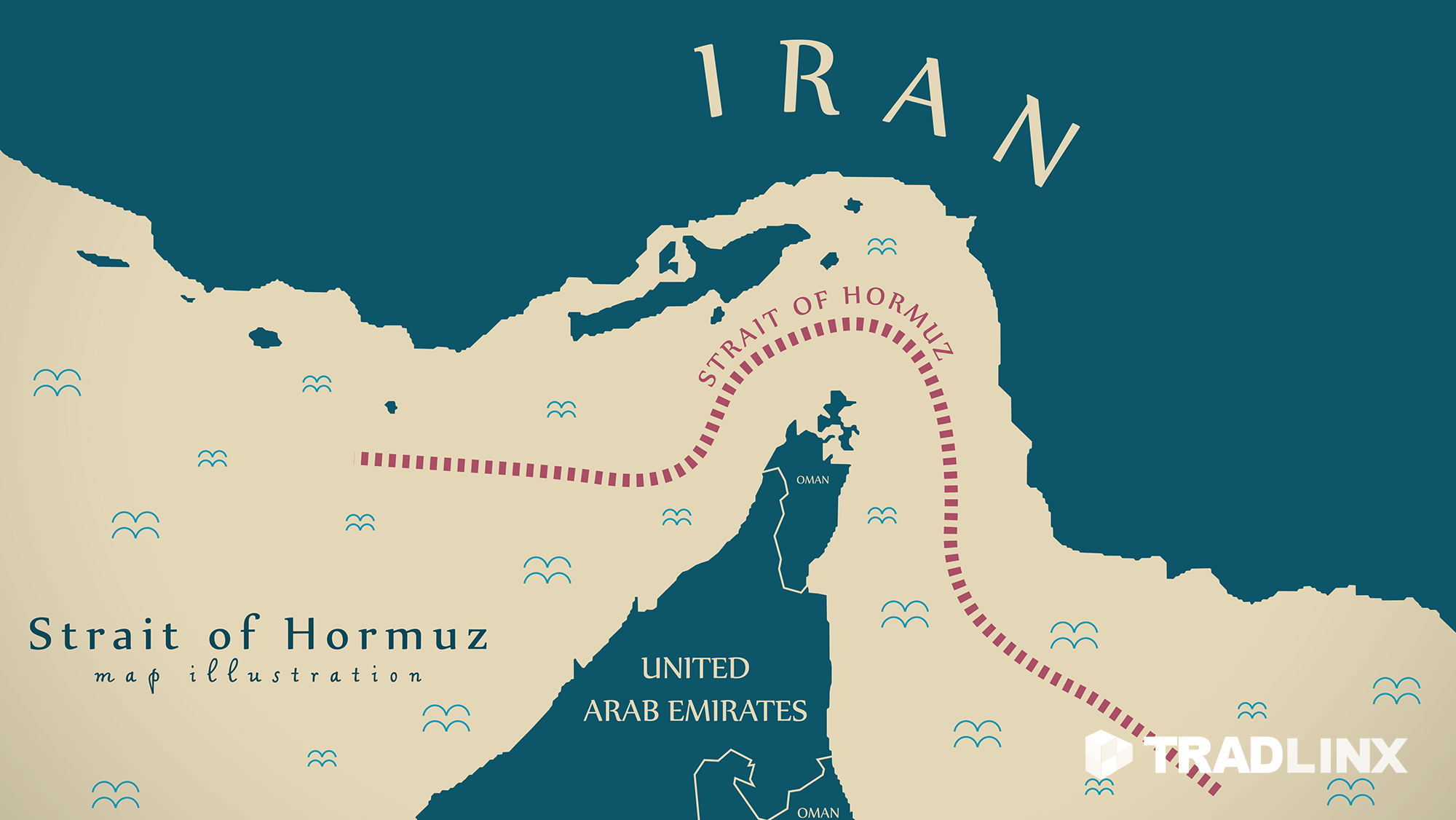
When Iran launched its salvo of missiles toward Israel, the world looked at oil. Everyone expected the crude markets to catch fire. Logic dictates that when the Middle East destabilizes, the price of a barrel of Brent jumps, and energy-dependent economies shudder. Yet, curiously, it wasn't oil that bore the deepest scars of the immediate sell-off. It was the British bond market.
Why? Because the UK is currently a house built on a very specific kind of sand.
The Sensitivity of the Spectator
To understand why a missile over Tel Aviv makes a British 10-year bond lose value, you have to look at the UK’s peculiar vulnerability. The UK is what economists call an "open economy," but that’s a polite way of saying it’s a small boat in a very choppy ocean.
When geopolitical tension spikes, investors run for cover. Usually, cover means the US Dollar. It is the world’s "safe haven" of last resort. To get into dollars, international investors often have to get out of something else. Lately, that "something else" has been Sterling and its associated debt.
The UK is currently battling a sticky, stubborn ghost: inflation. While the US and the Eurozone have seen their price spikes begin to level off, the UK remains the awkward outlier. When the Iran-Israel conflict intensified, the market didn't just fear the war; it feared the fuel. If oil prices did eventually rise, the UK’s inflation problem would go from a headache to a migraine.
David saw the numbers moving. The 10-year Gilt yield pushed toward 4.3%. That might sound like a small number, a mere decimal point in a world of trillions. But for the homeowner in Reading or the small business owner in Leeds, that decimal point is a predator.
The Invisible Weight on the Kitchen Table
We often talk about "the markets" as if they are a sentient, distant beast. They aren't. The market is just a mirror of our collective anxiety.
When British bonds sell off, the government’s cost of borrowing increases. To pay for schools, hospitals, and the military, the Treasury has to offer higher interest rates to entice people like David to keep buying those IOUs. But the government doesn't live in a vacuum. Those benchmark Gilt rates are the foundation upon which every mortgage in the country is priced.
Consider a hypothetical couple, Sarah and James. They aren't looking at Bloomberg terminals. They are looking at a renewal notice from their bank. Their fixed-rate mortgage is ending. Because the Gilt market shuddered in response to a geopolitical flare-up in the Middle East, the "swap rates" that banks use to price mortgages moved upward.
Suddenly, Sarah and James are paying £300 more a month. That money isn't going toward a holiday or a new car. It is being vaporized by the heat of a conflict half a world away, filtered through the sensitive, jumpy nerves of the London bond market.
The UK is particularly exposed because of its reliance on imported energy and its relatively high debt-to-GDP ratio. We are living in an era where we have very little "fiscal headroom." This is the margin of safety the government has before its spending becomes unsustainable. When a global shock hits, countries with plenty of headroom can absorb the blow. The UK, still reeling from the twin shadows of Brexit and the 2022 "mini-budget" crisis, has no such luxury.
The Memory of a Near-Death Experience
Traders have long memories. In late 2022, the UK bond market experienced a genuine cardiac arrest. The disastrous fiscal policy announcements of that time sent Gilt yields into a vertical climb, nearly collapsing the pension fund industry.
That trauma hasn't left the room.
When the Iran news broke, the speed of the sell-off in London compared to New York or Frankfurt suggested a "first out the door" mentality. Investors aren't just looking at the facts; they are looking at the exits. They remember how quickly liquidity can vanish in the UK market. If you think a building might catch fire, you don't wait for the smoke; you leave when you see someone reach for a match.
The Middle East conflict was the match.
The irony is that oil prices actually remained relatively stable in the immediate aftermath. The market had already "priced in" a certain level of tension. But the Gilt market hadn't priced in the possibility of a prolonged, inflationary war that would force the Bank of England to keep interest rates high for much longer than expected.
The Fragility of the Narrative
For months, the narrative in London was one of "cautious recovery." We were told that the worst of the cost-of-living crisis was behind us. We were told that interest rate cuts were a matter of "when," not "if."
Geopolitics is the great disruptor of narratives.
It forces us to realize that the British economy is not a sovereign island, but a node in a global web. When a strand is pulled in the Middle East, the vibration travels through pipelines, through shipping lanes in the Red Sea, and eventually lands on the desk of a trader in London who decides that, today, British debt is just a little too risky to hold.
This isn't just about "boring" bonds. It's about the reality of power. The UK’s status as a financial hub means it is highly attuned to global shifts, but that attunement comes at a price. We are the canary in the coal mine. When global risk rises, we stop singing first.
David eventually closed his terminal and went home. The yields had stabilized by the end of the day, but the damage was done. The floor had been reset a few millimeters higher.
In a world of interconnected crises, there is no such thing as a distant war. There is only the price we pay for the illusion of stability. We watch the skies over foreign cities, knowing that the fallout won't be ash, but a slow, grinding increase in the cost of existing.
The Gilt market is telling us something we don't want to hear: the margin for error has disappeared. We are a nation holding its breath, waiting to see if the next headline is a flicker or a flame.
The silence in the City isn't peace. It's the sound of everyone waiting for the other shoe to drop.
The ledger is balanced, for now, but the ink is still wet and the hand that holds the pen is shaking.