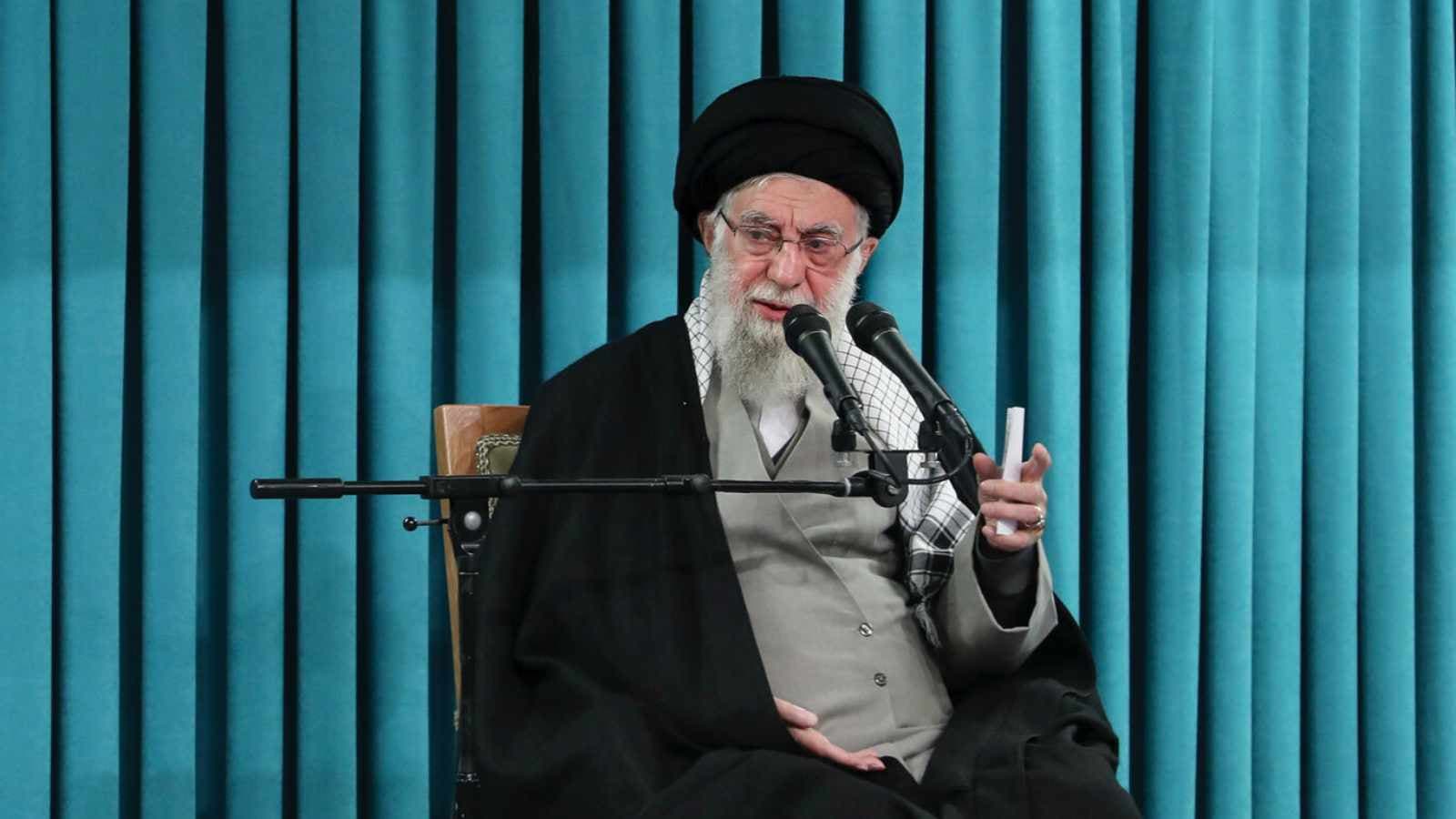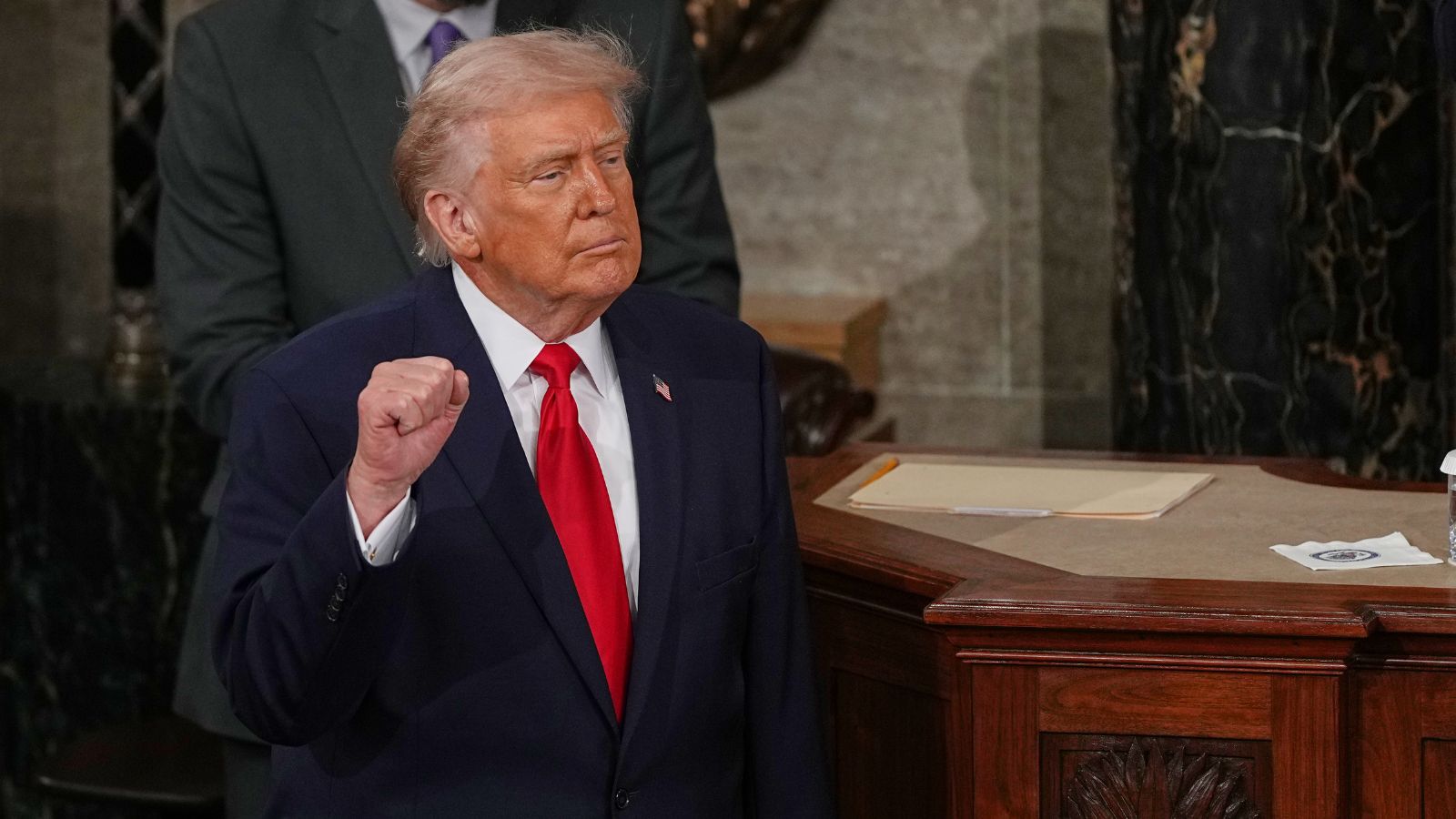
The era of the Islamic Republic’s second Supreme Leader ended not with a spiritual handover, but in the white heat of a coordinated missile strike. On Saturday, February 28, 2026, President Donald Trump announced that Ayatollah Ali Khamenei was dead, a claim later verified by Iranian state media after hours of frantic silence. The strike, a joint U.S.-Israeli operation dubbed Operation Epic Fury, leveled the Supreme Leader’s central Tehran compound, marking the most violent decapitation of a state’s leadership in modern history.
This was no accidental escalation. It was a calculated, high-stakes gamble to dismantle the clerical infrastructure that has governed Iran since 1979. Along with the 86-year-old cleric, reports confirm the deaths of several family members and the upper echelon of the Islamic Revolutionary Guard Corps (IRGC), including commander Mohammad Pakpour and Defense Minister Aziz Nasirzadeh. The vacuum left behind is not just a hole in the government; it is a rupture in the very identity of the Iranian state. For another perspective, read: this related article.
The Midnight Extraction of Authority
For decades, Khamenei was an enigma wrapped in a black robe, the ultimate arbiter of Iranian life and the shadow behind every proxy conflict in the Middle East. His death represents the collapse of a specific brand of revolutionary endurance. Trump, speaking from Truth Social and later in a televised address, framed the event as the "single greatest chance" for the Iranian people to reclaim their sovereignty.
The technical precision of the hit suggests a massive intelligence failure within the Iranian security apparatus. U.S. and Israeli forces reportedly used "highly sophisticated tracking systems" to pinpoint Khamenei’s location despite his legendary paranoia and multi-layered security details. The strike did not just hit a building; it pulverized the myth of the IRGC’s invincibility. Related reporting on this matter has been shared by TIME.
The Immediate Chaos and the Interim Council
While the smoke was still rising over Tehran, the constitutional machinery of the Islamic Republic began to grind. According to Article 111 of the Iranian Constitution, a leadership council must take over if the Supreme Leader dies in office. This council currently consists of:
- Masoud Pezeshkian: The President of Iran.
- Gholam-hossein Mohseni-Eje'i: The Chief Justice.
- Alireza Arafi: A key member of the Guardian Council and the Assembly of Experts.
This trio is tasked with maintaining order until the Assembly of Experts—an 88-member body of clerics—can elect a permanent successor. However, the "order" they are maintaining is largely theoretical. With the IRGC leadership decimated, the balance of power has shifted overnight. The military junta that once took orders from the Ayatollah is now a fractured entity looking for its own survival.
The Succession Crisis and the Shadow of the Son
The question of who follows Khamenei has haunted Tehran for years. Before the strike, the frontrunners were often cited as the President (before Ebrahim Raisi’s 2024 death) or Khamenei’s own son, Mojtaba Khamenei.
Mojtaba has long been the favorite of the security services, but his path to the throne is fraught. Hereditary succession is a sensitive topic in a country that overthrew a Shah to end a monarchy. If the Assembly of Experts moves to install Mojtaba, they risk a total loss of legitimacy among a population already emboldened by the chaos. Other potential names like Ali Larijani or Hassan Khomeini (the grandson of the revolution’s founder) represent different factions—security-heavy versus reform-lite—but none possess the absolute authority Khamenei wielded for 37 years.
Operation Epic Fury and the Global Fallout
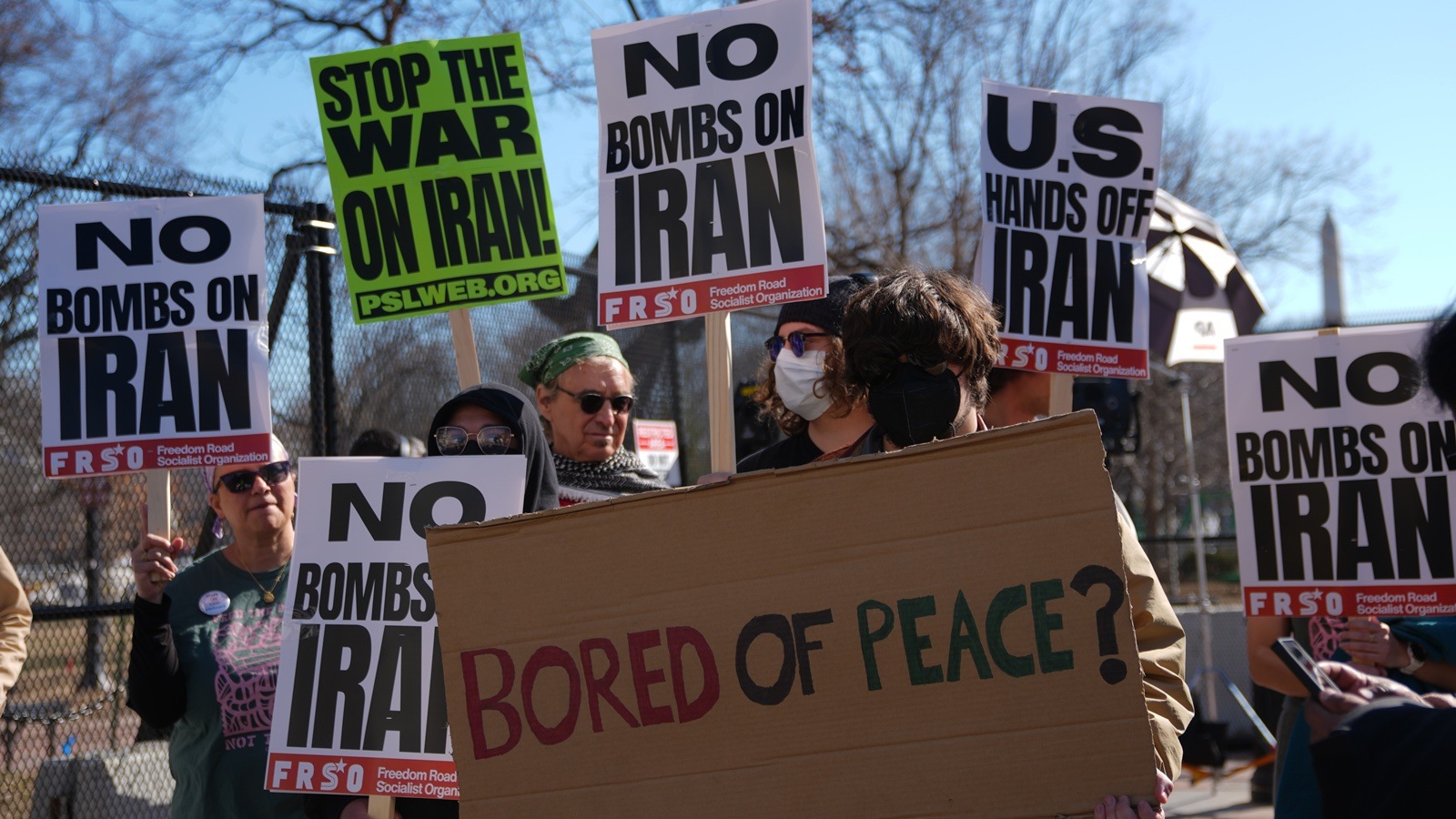
The U.S. justification for the strike centered on an "imminent nuclear threat" and Iran's ballistic missile program. By targeting the leadership directly, the Trump administration has bypassed the traditional "maximum pressure" of sanctions and moved straight to what military analysts call Decapitation Warfare.
The immediate regional response has been a mix of stunned silence and frantic defense. Gulf states, long the targets of Iranian-backed proxies, have seen their air defense systems engaged as Iran-aligned groups in Yemen, Iraq, and Syria launched retaliatory drones. In Dubai, interceptions have lit up the night sky, shattering the illusion that the wealthy trade hubs of the Middle East can remain insulated from a direct U.S.-Iran war.
The Streets of Tehran
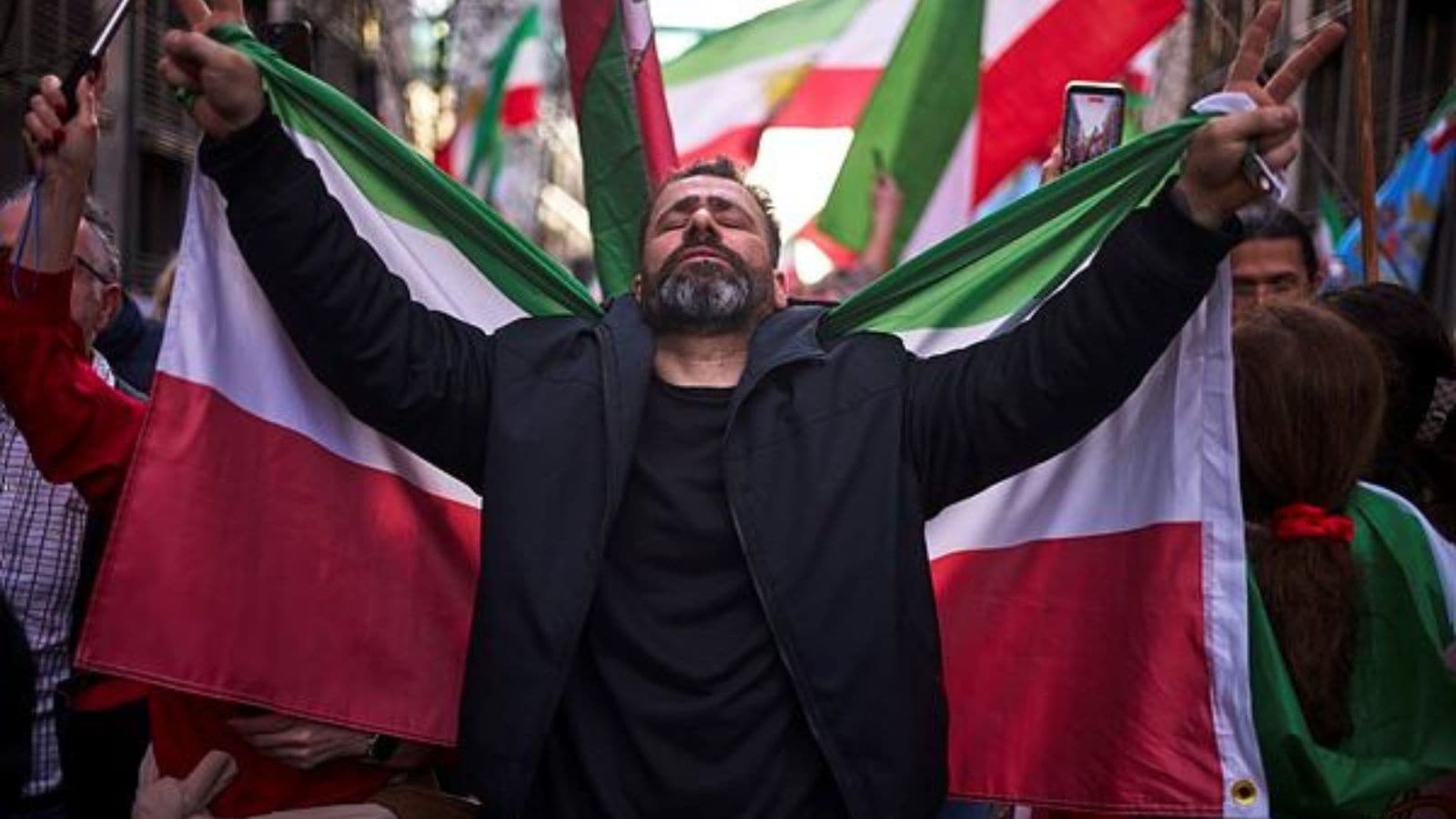
Inside Iran, the reaction is bifurcated. State television has broadcast images of mourners in public squares, beginning a 40-day period of traditional Shia mourning. But beneath the official grief, reports of "Death to the Dictator" chants in various neighborhoods suggest a population that sees the Ayatollah’s death as a door opening.
The IRGC is now faced with a brutal choice: suppress their own people with even greater violence to prevent a revolution, or negotiate a transition of power that might save their lives but end their reign. Trump has already offered a stark ultimatum to the Iranian military and police: "You will be treated fairly with total immunity, or you will face certain death."
The Strategic Void
The death of Ali Khamenei is not just the end of a man; it is the end of a strategic era. He was the architect of the "Axis of Resistance," a network of proxies that gave Iran influence from the Mediterranean to the Bab el-Mandeb. Without his steady hand and personal relationships with leaders like Hassan Nasrallah or the Houthi leadership, that network is now decentralized and dangerous.
There is no "Khamenei-ism" without Khamenei. His power was personal, rooted in his history as a revolutionary and his decades of maneuvering within the labyrinthine politics of the Qom seminaries and the IRGC barracks. Any successor will be a diminished figure, a placeholder in a system that may have just received its terminal blow.
The missiles that hit Tehran on Saturday did more than kill a leader. They stripped away the veil of a regime that had managed to survive through four decades of isolation. Now, with the head of the state gone and the capital in ruins, the Islamic Republic is no longer a revolutionary power—it is a failed state in waiting. The coming weeks will determine whether the "hour of freedom" Trump promised is a reality or if Iran is merely trading one form of chaos for another.
The transition has begun, and there is no going back.