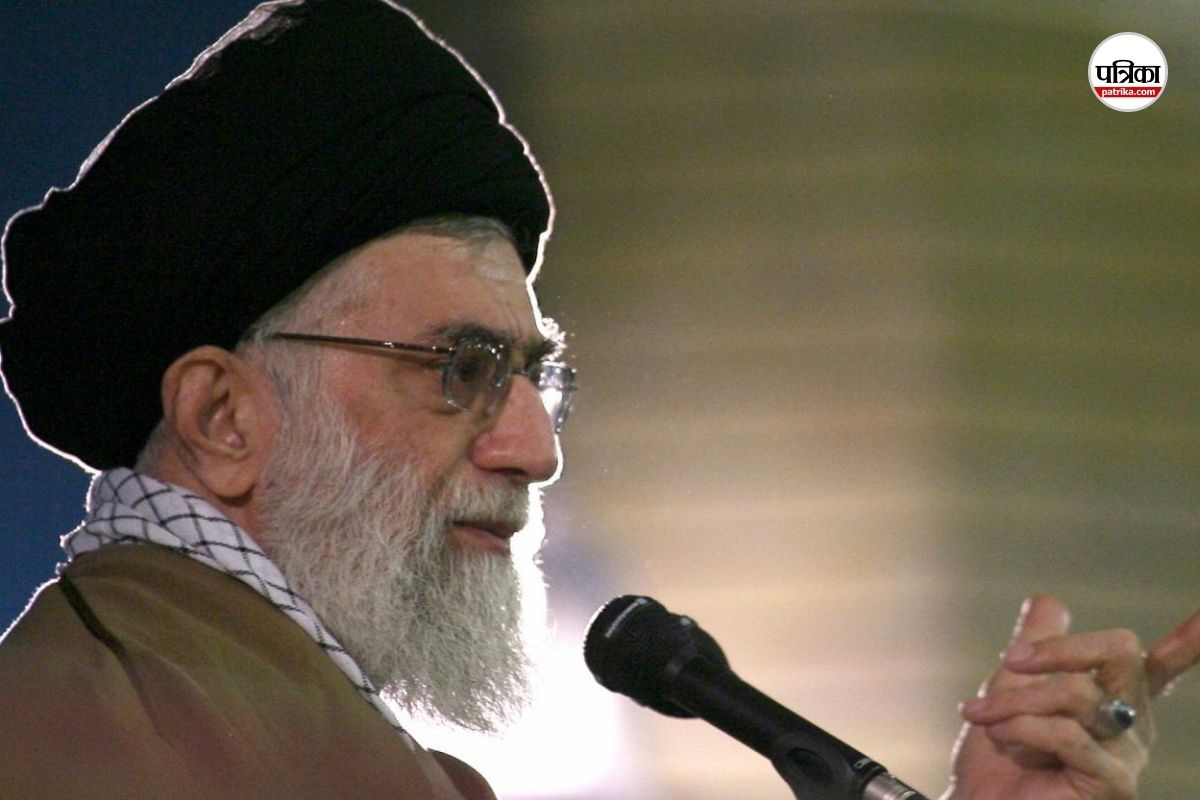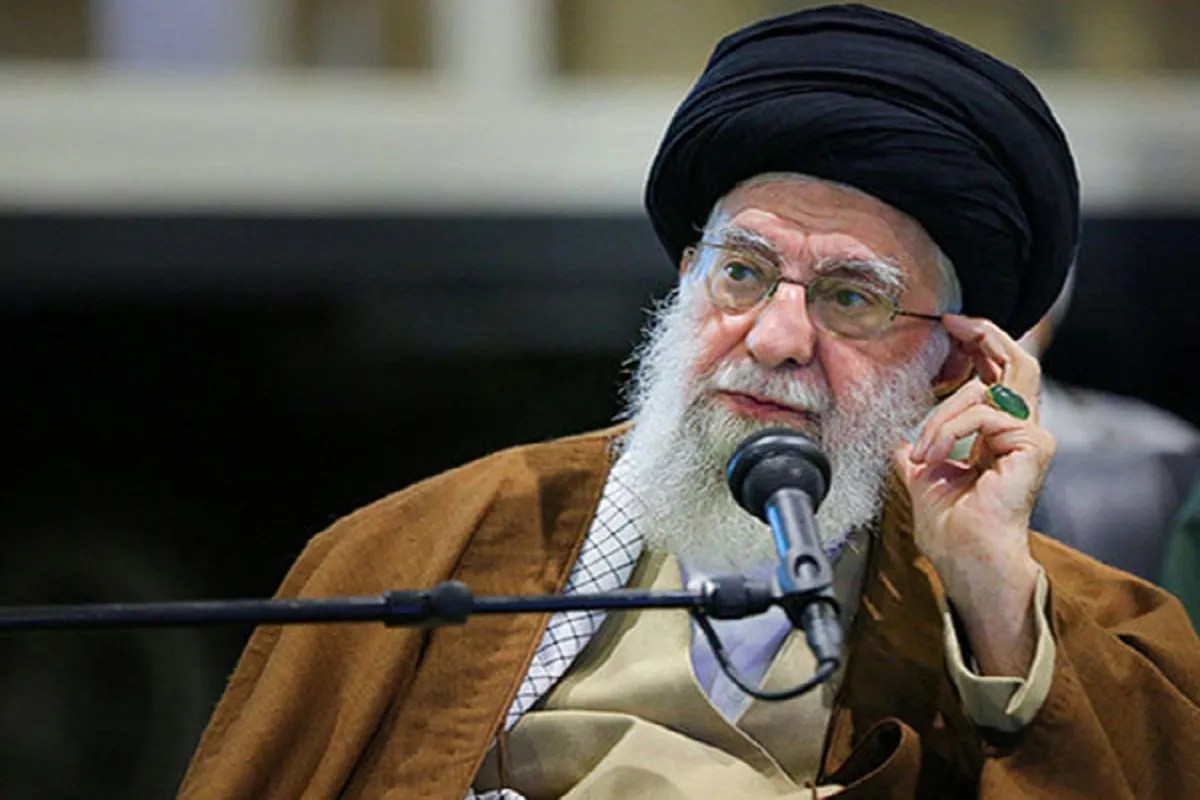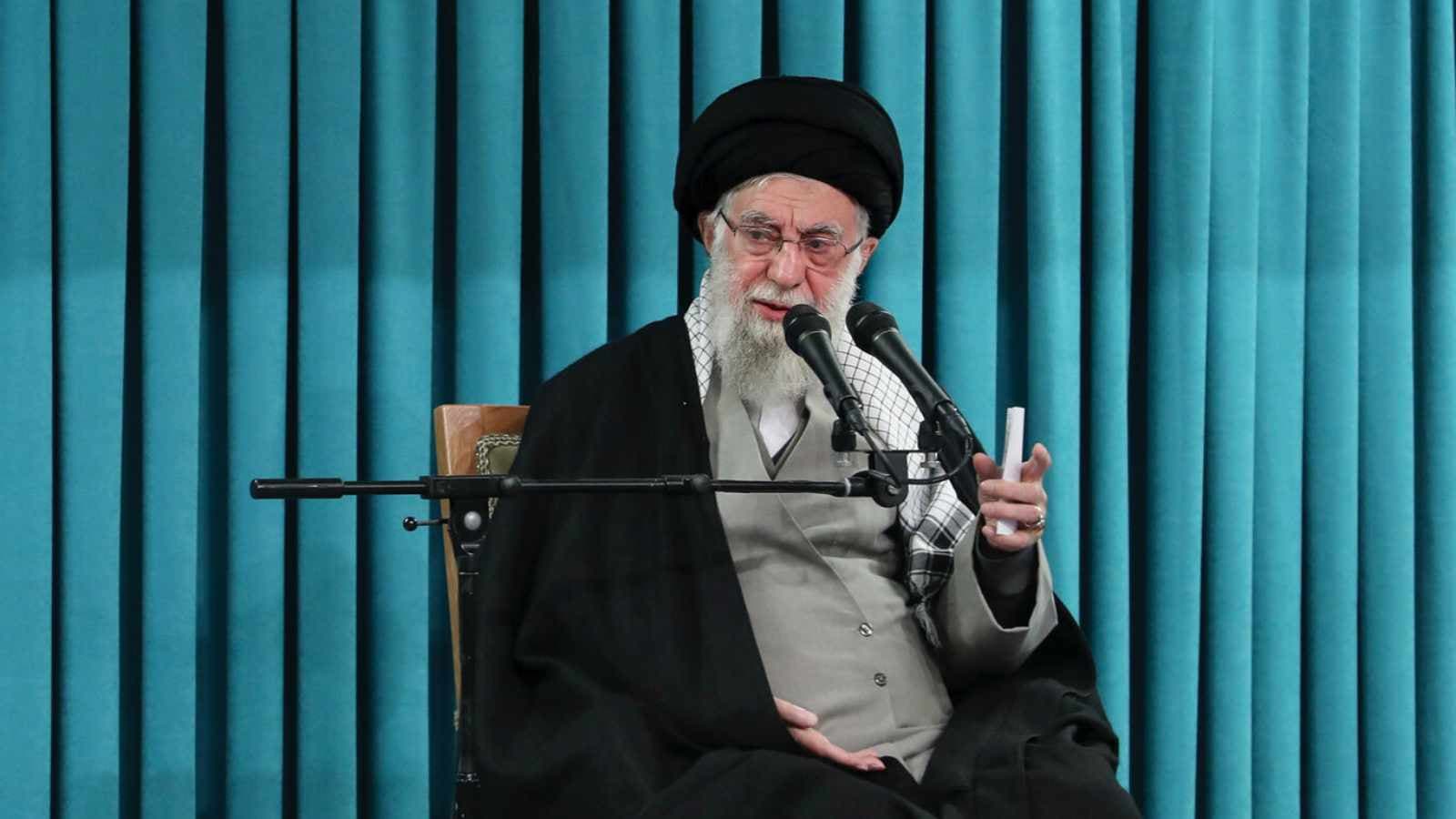
The air in Tehran does not move. It waits. On the afternoon the announcement finally breaks—the news that the mortal heart of Ali Khamenei has ceased to beat—a heavy, artificial silence will likely descend upon the Alborz mountains. For nearly four decades, one man’s pulse has been the metronome for eighty-five million lives. Now, that rhythm has stopped.
The world will see a map. It will see oil prices, nuclear enrichment percentages, and regional proxy networks. But for the person standing in a dusty alleyway in Isfahan or a high-rise in North Tehran, the death of the Supreme Leader is not a geopolitical data point. It is a tectonic shift in the floor beneath their feet.
The Architect of the Invisible Wall
To understand who might sit in the chair next, we have to look at the geometry of the chair itself. Ali Khamenei did not just lead Iran; he curated it. He survived the 1981 bombing that paralyzed his right arm, and since 1989, he has used his remaining strength to pull every lever of the state into a singular, rigid alignment.
He sat at the center of a web called Velayat-e Faqih, or the Guardianship of the Jurist. It is a system built on the idea that a single cleric holds the ultimate mandate of heaven. But heaven is a long way from the streets of Tehran, where the currency loses value by the hour and the youth look at the graying beards of their leaders with a mixture of exhaustion and quiet fury.
The successor will not just inherit a country. They will inherit a fracture.
The Assembly of Ghosts
In the coming days, eighty-eight elderly clerics known as the Assembly of Experts will gather. On paper, they are the kingmakers. They will sit in their robes, whispering in the hallowed halls of the former Senate building, tasked with choosing the soul of the Islamic Republic.
But the real decision has likely already been made in windowless rooms by men in olive-drab uniforms.
The Islamic Revolutionary Guard Corps (IRGC) is the shadow that looms over the Assembly. Over the decades, the IRGC has transformed from a volunteer militia into a multi-billion-dollar conglomerate that owns ports, telecommunications, and construction firms. They are the praetorian guard. They do not want a leader who will reform the system. They want a leader who will protect the ledger.
The Son and the Specter of Dynasty
Consider the first name whispered in every bazaar: Mojtaba Khamenei.
He is the second son. He is 55 years old, a mid-ranking cleric who has spent the last two decades operating in the "Office of the Supreme Leader." He is the gatekeeper. To reach the father, you had to pass through the son.
In a hypothetical scenario where Mojtaba is elevated, the IRGC gets continuity. They get a man who knows where the bodies are buried and where the money is hidden. But there is a poison pill in this choice. The 1979 Revolution was fought to end hereditary monarchy. To replace the Pahlavi Shah with a Khamenei "Shah" would be a betrayal of the very foundation of the Republic.
The irony is thick enough to choke on. If the "Guardians of the Revolution" install a son to follow a father, they admit that the revolution is over, replaced by a new kind of royalty.
The Quiet Man in the Corner
If the dynasty route is too risky, the Assembly may look toward the more traditional path: Alireza Arafi.
He is the head of Iran’s seminaries. He represents the clerical establishment. He is the "safe" choice for those who want to pretend the system still functions on religious merit. Arafi is a man of books and decrees, a technocrat of the soul.
But a man of books cannot control a street on fire.
In 2022, after the death of Mahsa Amini, the world saw what happens when the Iranian public reaches its breaking point. A successor like Arafi might satisfy the scholars in Qom, but he offers nothing to the twenty-year-old girl who refuses to wear a headscarf as an act of existential defiance. The gap between the seminary and the street has become an abyss.
The President Who Is Not There
In any other country, the Vice President or the President would be the natural heir. But in Iran, the presidency is a lightning rod designed to catch the public's frustration while the Supreme Leader remains insulated in the clouds.
Following the helicopter crash that took the life of Ebrahim Raisi, the path for a "predestined" successor was cleared—or perhaps, it was complicated. Raisi was the ultimate loyalist, a man who had proven his "toughness" in the executions of 1988. He was being groomed. His sudden absence created a vacuum that no current political figure seems large enough to fill.
The current President, Masoud Pezeshkian, is a heart surgeon by trade. He speaks of reform and "reaching out," but he is a passenger on a ship where the engine room is locked from the inside. He cannot lead the transition because the system does not trust anyone who talks to the West with anything other than a clenched fist.
The Hidden Stakeholders
The world watches the clerics, but the clerics are watching the borders.
To the East, the Taliban. To the West, a shattered Iraq. Across the gulf, the regional rivals. And always, the "Great Satan" in Washington and the "Zionist entity" in Tel Aviv. The next leader of Iran must be a wartime consiglieri.
The IRGC knows that a moment of transition is a moment of extreme vulnerability. They remember 1989. They remember the fear that the country would unravel when Khomeini died. This time, the stakes are higher. Iran is closer to a nuclear threshold than ever before. It is more isolated than ever before.
The next leader will not be chosen for his wisdom. He will be chosen for his ability to hold the shield.
The Ghost in the Machine
Let us imagine a different path.
Suppose the Assembly cannot agree. Suppose the IRGC factions—because they are not a monolith—start to fracture. What happens when the "deep state" begins to eat itself?
There is a third option that few discuss openly: a collective leadership. A council of three or five men. A committee to rule a country that has only ever known kings and supreme leaders.
In theory, a council provides balance. In reality, it is a recipe for a slow-motion coup. History teaches us that committees in revolutionary states are merely waiting rooms for the most ruthless member to emerge.
The Sound of One Hand Clapping
For the average Iranian, the names of the candidates are secondary to the price of eggs.
The "human element" of this transition is a profound sense of "Waiting for Godot." People have spent their entire lives under the shadow of one man's worldview. His death brings not just the possibility of change, but the terrifying uncertainty of what that change looks like.
If the transition is "seamless," it means the status quo—the sanctions, the morality police, the isolation—continues. If the transition is chaotic, it means the possibility of civil strife.
It is a choice between a slow suffocation and a violent breath of air.
The Final Threshold
The successor will eventually be announced. A man will step onto the balcony. He will wear the black turban of a descendant of the Prophet. He will speak of steadfastness and the path of the martyrs.
But as he looks out over the crowd, he will be looking for something that is no longer there: the absolute, unquestioning fear that his predecessor commanded.
Khamenei was a titan of the old world, a man who built a fortress of ideological purity. But fortresses eventually become tombs. The next leader will find that the walls are cracking. The youth are not listening to the sermons anymore; they are listening to the rhythm of their own hearts, which beat faster and with more hope than any decree from the Assembly of Experts.
The chair is empty. The shadow remains. But shadows always vanish when the sun finally moves.