China’s long-standing dominance over African mineral wealth is hitting a structural wall that no amount of infrastructure-for-resources swap deals can easily climb. For two decades, Beijing operated on a predictable script. It provided low-interest loans and flashy stadium projects in exchange for long-term off-take agreements for cobalt, lithium, and copper. That script is now being torn up. African capitals from Kinshasa to Harare are no longer content with being the world’s pit mine. They are demanding a piece of the industrial value chain, and they are using export bans and tax overhauls to get it.
The shift is not just a diplomatic spat. It is a fundamental realignment of the global energy transition. If you liked this article, you might want to check out: this related article.
The Myth of the Infinite Lithium Well
The narrative for years was that China had "won" the race for battery metals. By securing early stakes in the Democratic Republic of Congo (DRC) and Zimbabwe, Chinese state-backed firms essentially owned the upstream supply. But ownership on paper is proving different from operational control in a climate of rising nationalism. Zimbabwe’s 2022 ban on raw lithium exports caught many off guard, yet it was the logical conclusion of a decade of seeing wealth vanish across the border without a single refinery being built on Zimbabwean soil.
Beijing’s strategy relied on the assumption that African nations lacked the leverage to say no. That was true when the West was asleep at the wheel. It is no longer true. With the U.S. and EU scrambling to de-risk their own supply chains through the Minerals Security Partnership, African leaders suddenly have multiple bidders at the table. They are playing these powers against each other to force a transition from extraction to processing. For another look on this story, refer to the latest coverage from MarketWatch.
Why the Infrastructure Swap is Failing
The "Angola Model"—repaying infrastructure loans with oil or minerals—is breaking under the weight of its own lack of transparency. When a Chinese firm builds a highway in exchange for copper rights, the immediate benefit to the local economy is often negligible. The labor is frequently imported. The materials are shipped in. The road eventually crumbles, but the copper is gone forever.
African governments are now looking at the math. In the DRC, President Felix Tshisekedi’s administration has aggressively moved to renegotiate the $6 billion "Sicomines" deal. The Congolese argument is simple: the value of the minerals extracted has vastly outpaced the value of the infrastructure delivered. This isn't just a grievance; it’s an audit. The era of handshake deals behind closed doors is being replaced by public scrutiny and a demand for localized smelting.
The High Cost of Processing at the Source
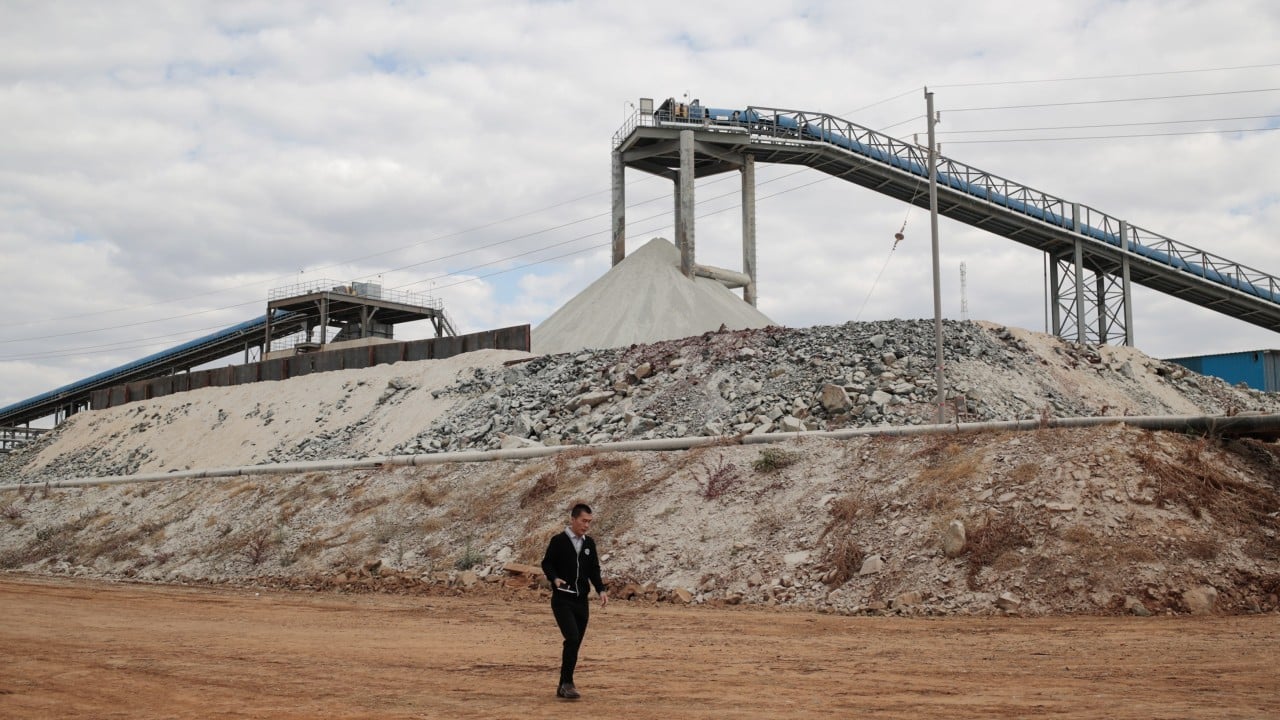
If China wants the ore, it now has to build the factories in Africa. This presents a massive logistical nightmare. Refineries require consistent, high-voltage power—something notoriously absent in many mining regions.
Take the case of lithium. Turning raw spodumene into battery-grade chemicals is a water-intensive, energy-heavy process. In Zimbabwe, the government wants this done locally. However, the country’s power grid is prone to collapse. For Chinese miners, this means they aren't just building a mine; they are now forced to build power plants and water treatment facilities just to satisfy local value-addition laws. This spikes the "all-in sustaining cost" of every ton of metal. The cheap African resource is becoming expensive.
The Hidden Logistics Tax
- Export Levies: New taxes on unrefined ores in Namibia and Tanzania.
- Mandatory Local Ownership: Requirements for state-owned entities to hold non-dilutable "carried interest" in mining projects.
- Labor Quotas: Strict limits on foreign workers, forcing companies to invest in local technical training.
The Environmental Double Standard
For years, Chinese operations in Africa faced less environmental scrutiny than their Western counterparts. That gap is closing. Local activists and international NGOs have become more sophisticated in tracking the ecological footprint of mines in the Copperbelt.
When a Chinese-owned cobalt mine in the DRC faces allegations of human rights abuses or environmental degradation, it is no longer a local story. It becomes a global supply chain risk for the EV manufacturers in Europe and the U.S. who ultimately buy the refined product. This creates a "compliance squeeze." Chinese firms must now meet Western ESG (Environmental, Social, and Governance) standards if they want to sell into the global market, while simultaneously meeting the nationalist demands of African hosts.
The Western Re-entry
While Beijing struggles with debt restructuring and disgruntled partners, the West is attempting a comeback. The Lobito Corridor—a rail project backed by the U.S. and EU to connect the DRC’s mining heartland to the Atlantic coast of Angola—is a direct challenge to Chinese logistics.
Instead of moving minerals east to Chinese-operated ports on the Indian Ocean, the West is betting on a western route. This is about more than just a train line. It is an attempt to offer African nations an alternative to the "all roads lead to Beijing" reality. If the U.S. can provide better financing terms and a promise of genuine industrial partnership, China’s grip on the continent’s minerals will continue to slip.
The Strategy of Forced Partnership
Chinese firms are responding by attempting to "localize" their presence. They are branding themselves as development partners rather than just miners. But the friction remains. In Zambia, the government’s push to increase its stake in the mining sector has led to protracted legal battles. These aren't just about money; they are about sovereignty.
The reality is that the "African discount"—the ability to extract minerals cheaply due to weak regulation—is gone. Any company, Chinese or otherwise, that wants to operate on the continent must now factor in a significantly higher cost of doing business. This includes building schools, hospitals, and, most importantly, the industrial plants that turn rocks into high-value exports.
The New Math of Mineral Security
The global energy transition requires a 400% increase in mineral production by 2040. Africa holds the majority of these reserves. However, the assumption that this supply will flow unimpeded to the highest bidder is flawed.
Resource nationalism is not a phase; it is the new baseline.
China’s current struggle is a preview of what every industrial power will face. The price of the green revolution is not just the market spot price of lithium or cobalt. It is the cost of building a middle class in the countries where those metals are found. If you aren't prepared to build a factory in Lubumbashi or a refinery in Bulawayo, you may eventually find yourself with no ore at all.
Check the local beneficiation laws in your primary sourcing jurisdictions today, because the window for exporting raw earth is slamming shut.