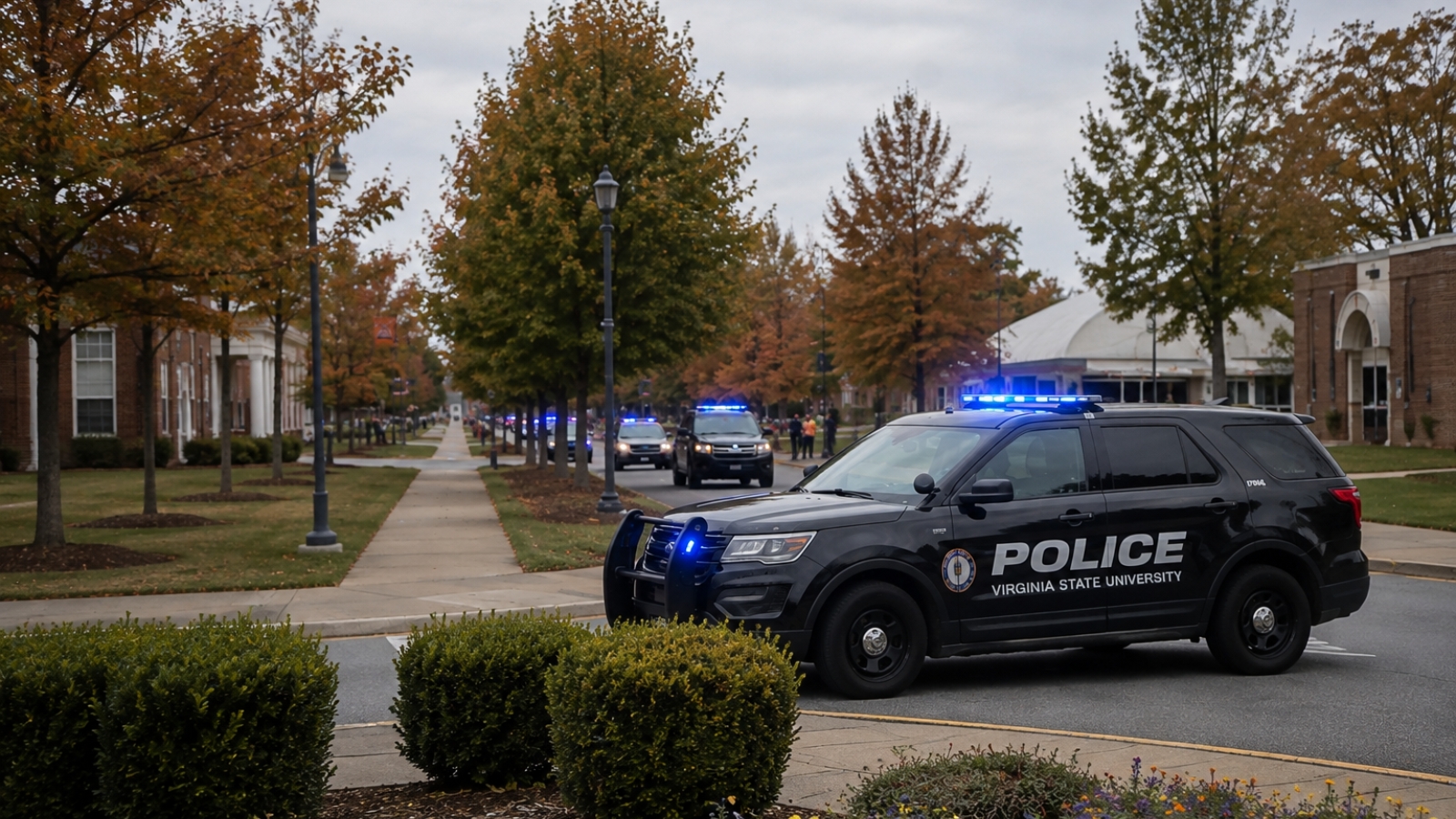
Another campus shooting makes the scroll. Five injured. One critical. Multiple shooters suspected. The algorithmic outrage machine spins up immediately, demanding more police presence, metal detectors at dorm entrances, and stricter perimeter lockdowns.
We have turned higher education into a fortress mentality. And it is completely failing.
Every time a violent incident breaks out at a university, the public reflex is predictable. We blame security guard counts, exterior lighting, or surveillance camera blind spots. We treat campus safety like a hardware problem. If the lock isn't strong enough, we buy a heavier padlock. If the patrol isn't frequent enough, we double the shifts.
I have spent years inside risk management frameworks for public institutions, watching boards of trustees throw millions at perimeter fortification while ignoring the rotting operational foundations underneath.
The lazy consensus is that more armed bodies on campus stops violence. The data shows otherwise.
The Fallacy Of Hardened Perimeters
Open campuses are porous by design. They are centers of civic exchange, intellectual friction, and public transit thoroughfares. The moment you attempt to turn a 5,000-acre state university into a gated compound, you destroy the exact utility of the institution while failing to stop determined bad actors.
Consider the logistics. A traditional university campus has dozens of entry points, hundreds of buildings, and constant foot traffic shifting every fifty minutes between classes. Implementing airport-style security at every academic hall would require billions in infrastructure upgrades, add hours to daily transit, and create massive crowds bottlenecked right outside buildings—creating high-density targets in the process.
Yet, administrators keep buying the snake oil. They purchase reactive software platforms and high-definition cameras that record tragedies with crystal-clear fidelity while doing zero to prevent them.
The real conversation we refuse to have is about structural grievance management and social contagion.
The Metrics That Actually Matter
When evaluating campus safety, security directors love to cite patrol hours and response times. These are vanity metrics. A response time of two minutes means nothing if the active threat has already discharged a firearm in a crowded quad.
True risk mitigation operates upstream long before a weapon clears a holster. It looks at behavioral threat assessment teams, crisis intervention bandwidth, and student housing density metrics.
Most universities treat behavioral intervention teams as bureaucratic afterthought committees. They meet once a month, review paperwork, and shuffle troubled individuals through standard disciplinary channels. When a student displays acute red flags—social isolation, erratic escalation, explicit threats—the system relies on overwhelmed counseling centers that operate on a three-week waitlist model.
If you want to stop campus violence, you do not need more tactical gear. You need to dismantle the administrative silos that allow vulnerable, volatile individuals to fall through the cracks of a massive institution until they break through them with violence.
The Cost Of Security Theater
Security theater makes everyone feel better while keeping everyone vulnerable. When a university installs panic buttons in classrooms or blue-light emergency towers that nobody uses, they are purchasing peace of mind for parents rather than functional safety for students.
I have sat in budget meetings where executives slashed mental health staffing to fund high-tech surveillance grids. That is a catastrophic misallocation of resources. Cameras do not de-escalate a domestic dispute turning lethal in a courtyard. Cameras do not talk down a radicalized student spiraling into nihilistic violence.
The obsession with physical hardening is a confession of failure. It assumes we cannot fix human friction, so we must build thicker walls against it.
What We Must Do Instead
Stop pretending that a campus can be policed into absolute safety. The modern university must shift its paradigm from perimeter defense to hyper-localized community intelligence and rapid behavioral triage.
First, slash spending on reactive hardware and redirect those funds directly into peer-to-peer intervention networks and emergency psychological response units. Every residence hall should have trained interventionists embedded in the daily fabric of student life, not sitting behind a desk in a distant administration building.
Second, overhaul the reporting culture. Universities are terrified of reputational damage, so they sweep behavioral anomalies under the rug or handle them quietly to avoid lawsuits or bad press. That corporate self-preservation instinct is lethal. Transparency and aggressive early intervention save lives; PR management buries them.
We can keep funding the illusion of safety with more badges and cameras, or we can face the uncomfortable truth that security starts with how we treat human breakdown long before it reaches a trigger.