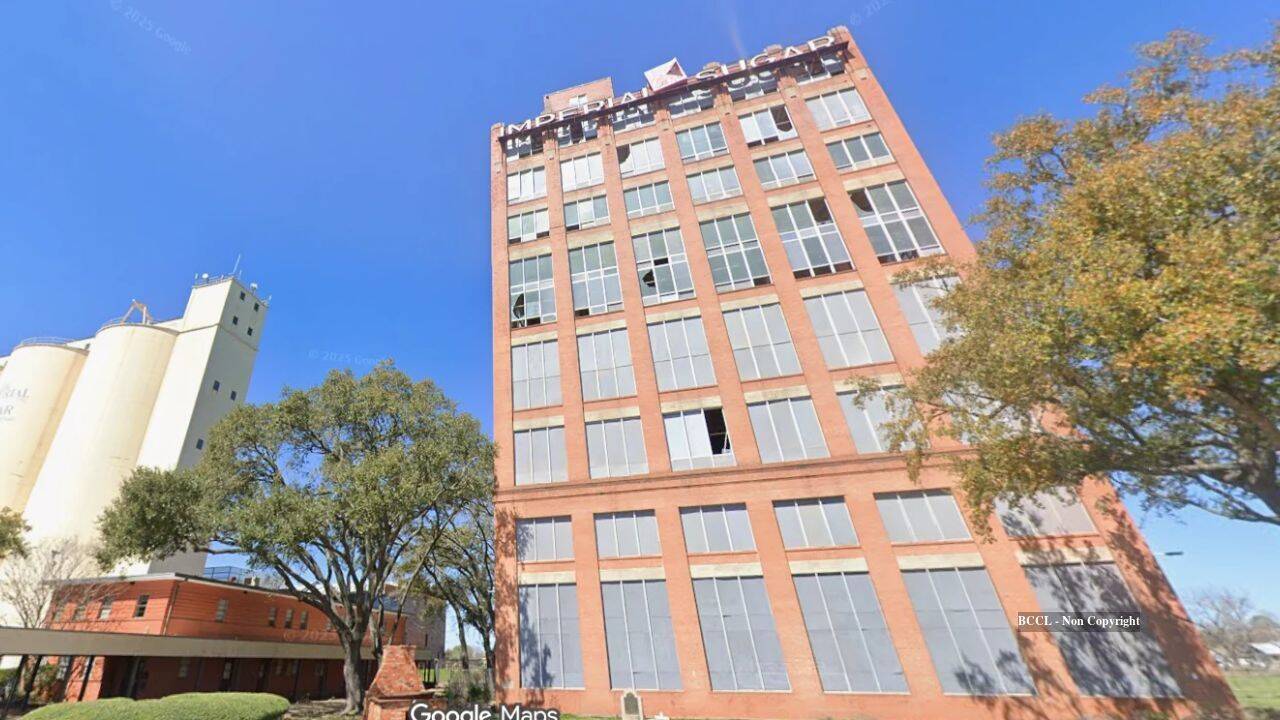
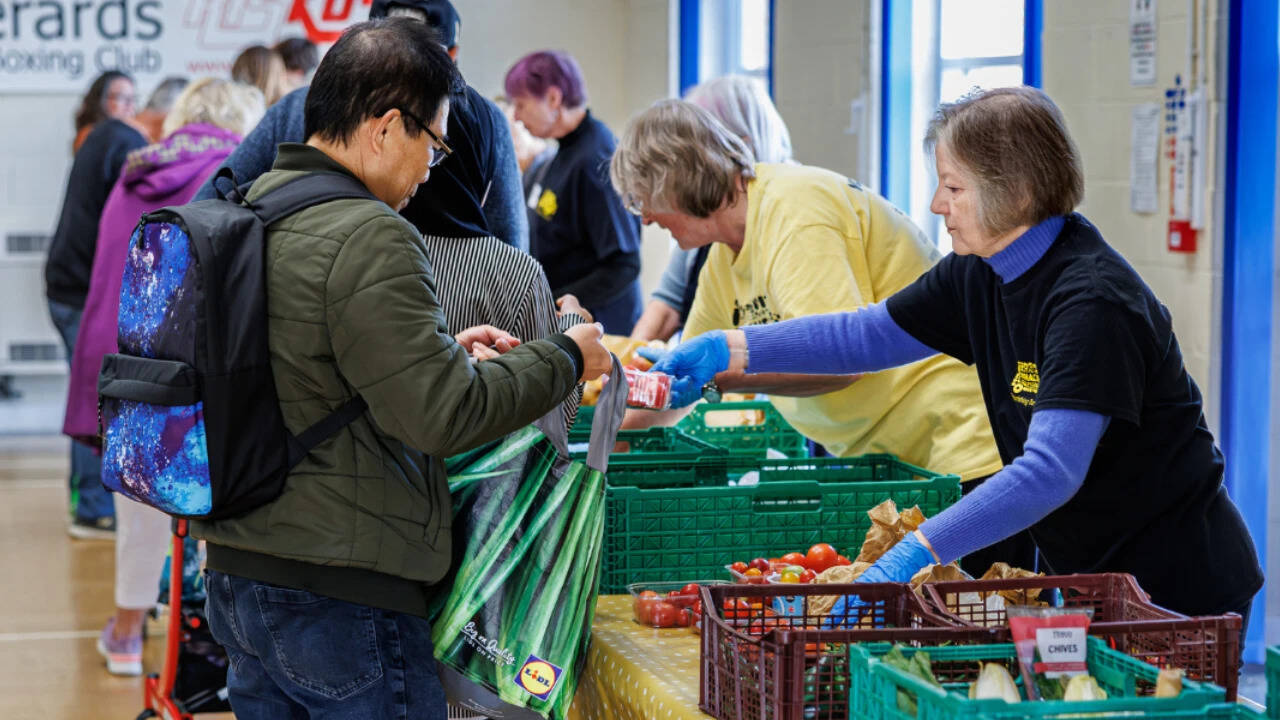
DoorDash’s $17 billion agreement to acquire Instacart at $65 a share isn't a triumphant victory lap for grocery delivery. It's a high-stakes defensive maneuver aimed at starving Amazon of consumer intent data while absorbing a shrinking rival.
Anyone who has watched last-mile logistics for twenty years knows how this movie usually ends when two category giants merge. The press releases talk about helping local grocers compete and bundling DashPass with Instacart+ to trim membership fees by an estimated $100 million a year. Wall Street applauds the 26% premium over Instacart's pre-leak closing price and points to a combined user base of 82 million monthly active users. Yet the real story sits underneath the headline figures: Instacart's market share in U.S. delivery spending had slid from 26% five years ago to 18%, while DoorDash climbed from 44% to 59%. DoorDash isn't buying a rocket ship. It's buying an ad engine, an enterprise storefront footprint, and breathing room against rapid-delivery rivals.
Why Grocery Delivery Broke Old Playbooks
Restaurant delivery is a volume game with predictable bottlenecks. A hot meal leaves a kitchen, travels a few miles, and lands on a doorstep within forty minutes.
Groceries are a completely different beast. Picking forty items across a sprawling supermarket—checking expiration dates, judging avocado ripeness, swapping out-of-stock yogurt for an acceptable substitute—takes real human labor and real time. Margins on raw food are notoriously thin, which is why platforms spent years trying to turn checkout screens into digital billboards.
Even with those ad dollars, standalone grocery delivery struggled to keep its footing once pandemic lockdowns ended. DoorDash moved aggressively into supermarkets starting in 2020, turning what used to be a niche side-cart into a core battleground. By expanding partnerships with major chains like Kroger across all 2,700 U.S. stores and adding Costco delivery, DoorDash chipped away at Instacart's core identity.
The Shift from Carts to Data
Neither company is merely moving bananas anymore. Both have been scrambling to figure out what comes after basic fulfillment.
Earlier this week, Instacart moved to wind down its Caper Cart smart-cart business because retailer adoption hadn't scaled fast enough to justify the capital burn, pivoting instead toward software, data, and artificial intelligence. Over the summer, Instacart bought computer vision firm Arpalus to build out shelf intelligence for grocers. Meanwhile, DoorDash rolled out Brand Center, pairing consumer order histories with in-store observations gathered by Dashers to show packaged-goods makers what sits on shelves and how shoppers behave.
Put those pieces together and the strategic logic snaps into focus. Food and beverage brands want to reach buyers right when they decide what to eat or buy. An Instacart basket tells a brand what someone cooks at home; a DoorDash order tells that same brand what someone eats when they don't feel like cooking. Merging the two lets a single platform pitch a unified picture of household appetite.
What Regulators Will Actually Scrutinize
Antitrust enforcers rarely care about polite corporate commitments on launch day. They look at market power, pricing leverage, and how a deal reshapes competition over years rather than quarters.
With closing targeted for late 2027 or the first half of 2028, the transaction faces a long review under Section 7 of the Clayton Act, alongside scrutiny in places like Canada and Israel. Food price inflation has already made consumers and lawmakers sensitive to anything that smells like higher fees or concentrated middlemen.
Three Pressure Points Facing the Deal
- Storefront software leverage: Many grocery chains rely on Instacart technology to run their own online storefronts. Antitrust critics warn that placing that infrastructure under DoorDash's roof could give DoorDash visibility into rivals' promotions or let it favor its own marketplace dynamics.
- Worker bargaining power: Independent couriers and shoppers already juggle shifting pay structures and local wage battles. Combining two of the biggest buyers of gig delivery labor in many metro areas raises questions about how much leverage workers keep when payouts tighten.
- Partner overlap and friction: Contracts don't automatically rewrite themselves on closing day. Retailers with competing alliances—such as Instacart's ties to Walmart versus DoorDash's earlier exit from Walmart delivery—will watch closely to see how channel conflicts play out.
Consider a hypothetical example to see how fee pressure can sneak back in even after a headline bundle discount. Suppose a household drops a separate grocery subscription to take advantage of a combined membership tier, saving $100 a year on pass fees. If service fees, markups, or sponsored-listing costs creep up on individual orders over the next two years, that upfront membership savings can evaporate in a handful of weekly shops. DoorDash has pledged an open platform with no grocery exclusivity and promised shoppers they can keep choosing which batches to take. Promises made before a merger closes are easy to write; enforcement and economics test them afterward.
The Amazon Clock Ticking in the Background
If DoorDash and Instacart were fighting only each other, consolidation might look like a clean endgame. They aren't.
Amazon has been pushing hard into same-day grocery delivery and rolled out Amazon Now, a rapid-delivery push promising groceries in 30 minutes or less across dozens of cities. Pair Amazon's Prime ecosystem and logistics scale with Walmart's massive physical store footprint and pickup reach, and DoorDash's 59% share of U.S. delivery spending suddenly looks less like an impenetrable fortress and more like a contested perimeter.
DoorDash already knows how to digest international delivery assets, having acquired Wolt in 2021 and Deliveroo in 2025. Buying Instacart is bigger, messier, and far closer to home. It values Instacart at roughly 4.3 times revenue—modest by pure software buyout standards, reflecting the reality that grocery fees and retail ads are hard-won cash flows rather than effortless software margins.
For grocers, the deal is a double-edged sword. More combined demand and shared logistics could bring extra volume to local stores, yet ceding too much digital real estate and customer data to a single dominant intermediary carries long-term risk.
Watch how independent grocers negotiate their data and software terms during the regulatory window over the next year—because whoever controls the checkout screen and the shelf data decides who keeps the customer long after the lawyers finish arguing.