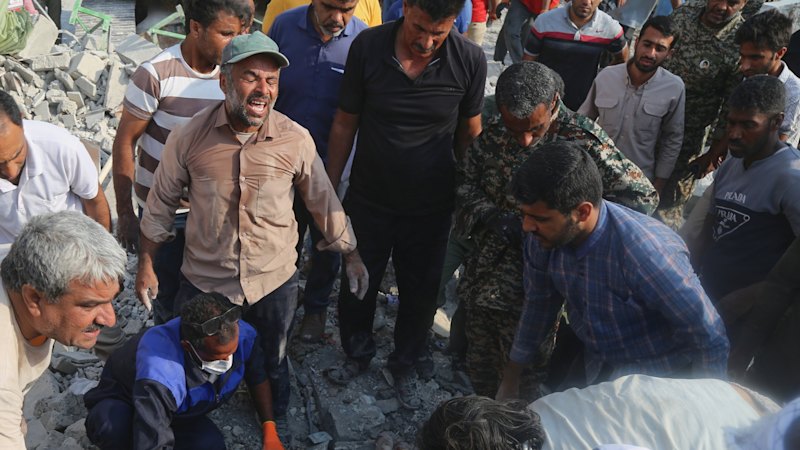
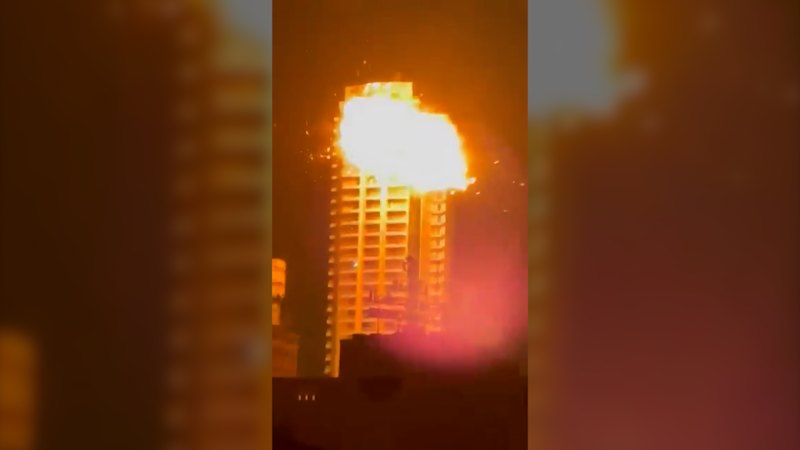
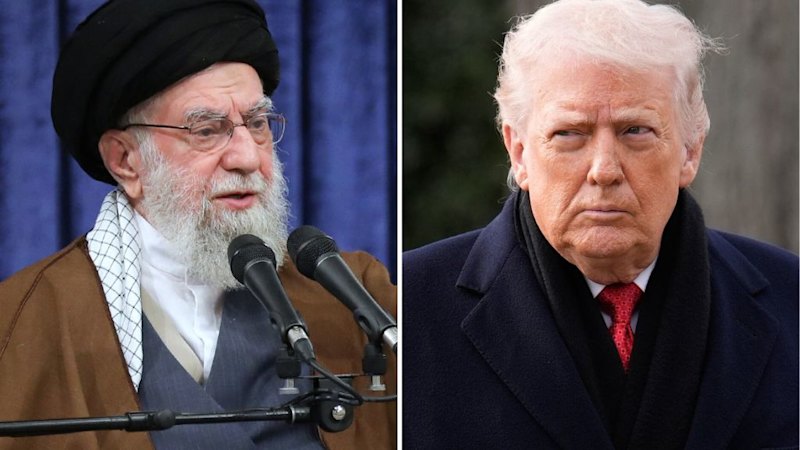
The targeted elimination of Ali Shamkhani during the coordinated U.S.-Israeli kinetic campaign on February 28, 2026, represents the removal of the primary structural bridge between Iran’s conventional military and its shadow diplomatic apparatus. While initial reporting focused on the visceral impact of the strikes in Tehran’s Pasteur district, the operational reality centers on the collapse of a specific "dual-use" leadership model that Shamkhani spent four decades refining. His death, alongside Supreme Leader Ali Khamenei and IRGC Commander Mohammad Pakpour, triggers a systemic failure in Iran’s ability to synchronize internal security with external negotiation.
The Architecture of the Shamkhani Doctrine
Shamkhani was not merely a bureaucrat; he was the architect of a survivalist framework designed to mitigate the friction between Iran’s ideological goals and its economic requirements. This framework rested on three functional pillars:
- Ethnic and Regional Arbitration: As an ethnic Arab from Khuzestan, Shamkhani functioned as the regime’s chief validator in the Persian Gulf. His 2023 Chinese-brokered normalization with Saudi Arabia was the product of a personal brand that combined the "Order of Abdulaziz Al Saud" with a Rear Admiral’s rank in the IRGC.
- The Defense Council Pivot: Following the June 2025 hostilities, Shamkhani was appointed Secretary of the newly formed National Defense Council. This body was designed to centralize military procurement and strategic response, moving beyond the bureaucratic gridlock of the Supreme National Security Council (SNSC).
- Nuclear Negotiating Parity: Unlike previous negotiators who lacked military standing, Shamkhani brought "the threat of the bomb" to the table. His October 2025 declaration—that he would move toward atomic weaponry if returned to the defense portfolio—was a calculated use of escalatory rhetoric to force U.S. concessions.
The Mechanism of Command Disruption
The 2026 strikes, codenamed "Operation Genesis" by Israel and "Operation Epic Fury" by the United States, utilized a first-of-its-kind integration of low-cost autonomous swarms (Task Force Scorpion Strike) and B-2 stealth assets. The objective was the "Decapitation of the Arbitration Layer."
In the Iranian power structure, the Supreme Leader sets the direction, but the Secretary of the Defense Council executes the cross-functional coordination. When the IDF and U.S. forces struck the Pasteur district, they didn't just target individuals; they targeted the nodes where military intelligence, diplomatic backchannels, and domestic suppression intersect.
The immediate result is a Command-Control Bottleneck. Without Shamkhani, the transition of power to the interim council—composed of President Masoud Pezeshkian, the Judiciary Chief, and Alireza Arafi—lacks an operative who understands the technical nuances of the nuclear file and the logistical requirements of the "Axis of Resistance."
Succession Volatility and the Interim Council
The Iranian Constitution mandates a 50-day window to elect a new leader, during which a three-person council manages state affairs. However, this legalistic view ignores the Security Primacy Variable. The removal of the IRGC’s top brass (Pakpour and Nasirzadeh) alongside Shamkhani creates a horizontal vacuum.
- The Larijani Variable: Ali Larijani has emerged as the de facto administrator of day-to-day governance. While he possesses the diplomatic pedigree, he lacks Shamkhani’s organic ties to the IRGC’s rank-and-file, which are critical for preventing internal fracturing during a state of emergency.
- Intelligence Asymmetry: The death of Salah Asadi, the military emergency intelligence chief, suggests that the strike targeted the specific personnel responsible for "decapitation insurance"—the very people tasked with ensuring the system survives a strike on the Leader.
The Strategic Action Map
The removal of Ali Shamkhani forces a shift from "Strategic Patience" to "Fractured Retaliation." Without a central arbiter to calibrate the weight of Iran’s response, proxy groups in Iraq, Lebanon, and Yemen are likely to operate with increased autonomy.
The immediate operational risk for the U.S. and its allies is no longer a coordinated Iranian state response, but a decentralized "Gray Zone" escalation where individual IRGC commanders, lacking centralized oversight from Tehran, initiate kinetic actions to secure their own local standing.
The stabilization of the region now depends on whether the interim council can replicate Shamkhani’s ability to talk to the West while arming the East—a task that appears increasingly impossible as the institutional memory of the Islamic Republic’s security state lies under the rubble of Tehran.
Would you like me to analyze the specific impact of these strikes on the Strait of Hormuz transit security?