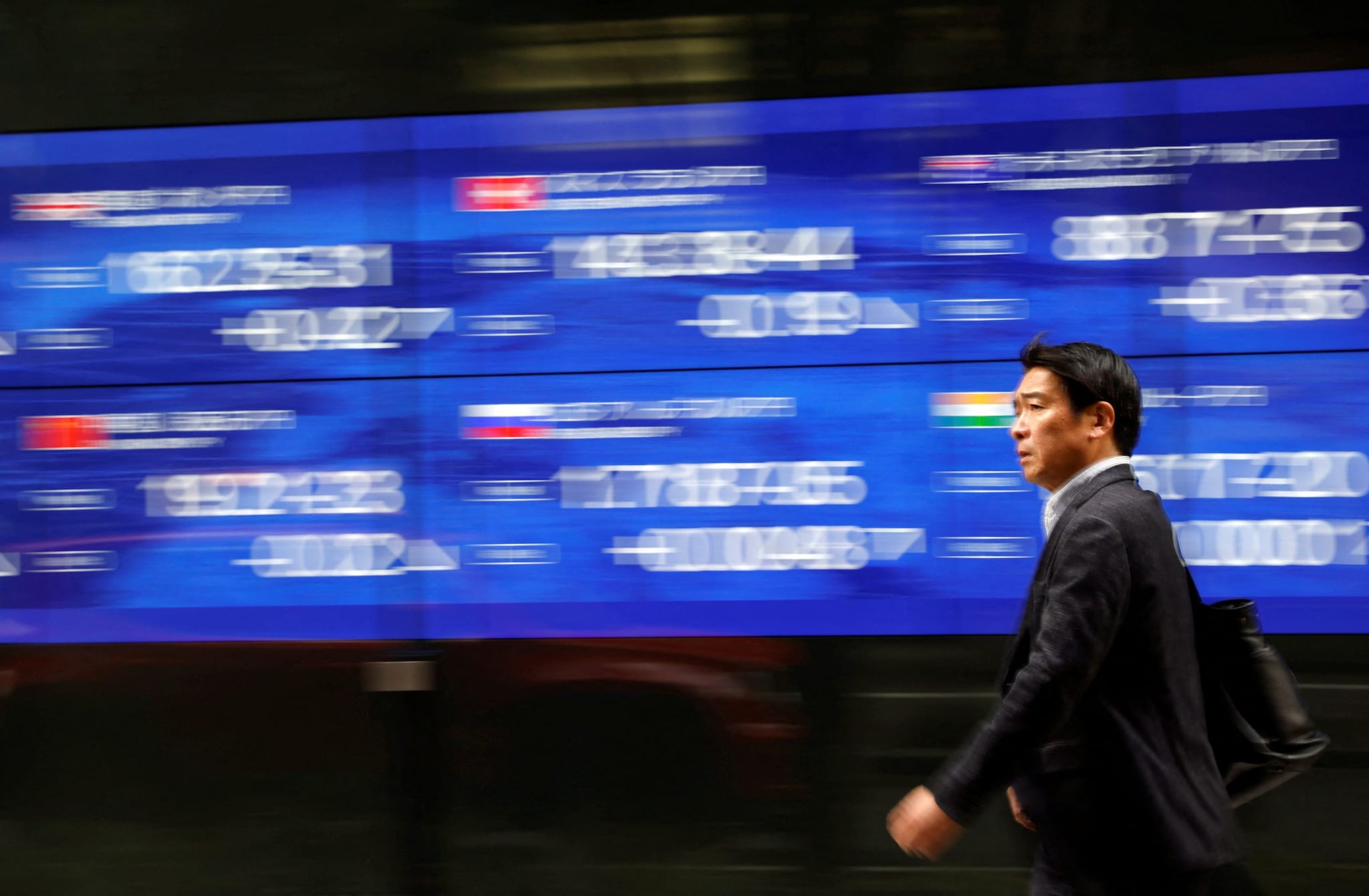
If you woke up to a sea of red in your brokerage account this morning, you’re not alone. The carnage across Asian markets this week hasn't just been bad; it’s been historic. We’re looking at the steepest weekly drop for the MSCI Asia Pacific Index in six years. While the headlines focus on the explosive escalation of conflict in West Asia, the reality for your money is a lot more complicated than just "war is bad for business."
The math is brutal. In the last few days, South Korea’s Kospi index suffered a 12% nosedive—its worst single-day performance since the 2008 financial crisis. Japan’s Nikkei 225 tumbled more than 4% as the reality of $80+ oil started to bite. For a region that powers the world’s electronics but imports almost all its energy, this conflict is the ultimate "kill switch" for growth.
The Energy Trap No One Saw Coming
Asia’s biggest problem isn’t the distance from the missiles; it’s the distance from the fuel. Japan and South Korea rely on the Strait of Hormuz for over 60% of their oil imports. When Iran vows to close that waterway, the market doesn't wait for the first tanker to stop moving. It prices in the catastrophe immediately.
I’ve watched markets react to Middle East tensions for years, but this time feels different. We aren't just seeing a temporary "fear premium" on crude. We’re seeing a structural repricing of risk. If you’re holding tech-heavy indices like the Kospi or the Taiwan Weighted, you’re essentially holding a bet on cheap, stable energy. When oil prices jumped 14% in a single session this week, that bet went bust.
Energy isn't just a cost for these companies; it’s the lifeblood of the massive AI data centers and semiconductor foundries that have driven the recent rally. Investors are realizing that the AI "capex" story falls apart when the cost of powering those chips doubles overnight.
The Great Rotation Back to the Dollar
For months, the smart money was whispering about the "Sell America, Buy Asia" trade. The logic was simple: US stocks were too expensive, and Asian markets were undervalued. That trade is now officially dead.
We’re seeing a massive flight to safety, and "safety" still means the US Dollar and US Treasuries. The Bloomberg Dollar Spot Index is heading for its best week since 2024. Meanwhile, Asian currencies are getting hammered. This creates a double whammy for local investors: your stocks are worth less, and the currency they’re denominated in is losing value against the greenback.
Why the Hang Seng is the Weird Exception
Interestingly, Hong Kong’s Hang Seng Index managed to buck the trend early in the week, even roaring up 5% while the rest of the region bled. Don't let that fool you into thinking it's a safe haven. That rally was fueled by massive stimulus promises from Beijing, not a sudden immunity to global war.
Actually, the Hang Seng’s "hot streak" is looking more like a trap. As the conflict drags on, the cost of shipping and the threat of global stagflation will eventually weigh on Chinese exports. Betting on a localized stimulus rally while the rest of the world prepares for an energy shock is a dangerous game.
The Stagflation Ghost Returns
The biggest fear isn't just that stocks will go down. It’s that they won't come back up for a long time. This is the spectre of stagflation—stagnant growth combined with high inflation.
When oil stays high, central banks like the Fed and the Bank of Japan can't cut interest rates as quickly as they planned. High rates are poison for growth. If you were counting on rate cuts to boost your portfolio in the second half of the year, the West Asia conflict just threw a massive wrench in those gears.
How to Protect Your Cash Right Now
Stop looking for the "bottom." In a geopolitical crisis, the bottom is a moving target. Here is what actually works when the markets are in a tailspin:
- Audit your energy exposure. If you’re heavy on airlines, shipping, or logistics, you’re in the line of fire. These industries can’t pass on fuel costs fast enough to protect their margins.
- Watch the Strait of Hormuz, not the headlines. The only news that truly matters for the Nikkei and Kospi right now is the status of that shipping lane. If it closes, even for a day, the 12% drop we saw in Korea will look like a mild correction.
- Move to "Old School" value. When growth gets hit by energy costs, cash-rich companies with low debt become the only place to hide. Think utilities (if they have diversified power sources) or large-cap US value stocks.
- Hedge with the Dollar. If you’re invested in Asia, you need to be holding enough USD to offset the currency depreciation.
Honestly, the "Buy the Dip" crowd is going to get burned this week. This isn't a dip; it's a fundamental shift in the global risk environment. You don't need to be the first one back into the pool when there's a shark in the water. Wait for the energy markets to stabilize before you even think about putting fresh capital into Asian equities.
Instead of staring at the red numbers, start moving your capital into defensive sectors like healthcare or consumer staples that can weather a high-inflation environment. If you want to stay in tech, stick to the US giants that have the cash reserves to survive a prolonged period of high interest rates. The era of easy gains in Asia is on pause until the smoke clears in the Middle East.