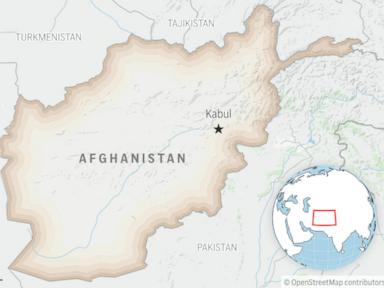
Torrential rains swept through eastern Afghanistan, triggering violent flash floods that left at least 20 people dead and over 100 missing in Nuristan province. Local officials confirmed that Parun, the provincial capital, took the brunt of the destruction.
Floods tore through the heart of the town. Municipal buildings, markets, hotels, and family homes were swept away within minutes. Among those reported missing is Parun's mayor. Over 80 residents suffered injuries as surging waters dumped huge boulders across roads and neighborhoods.
This disaster isn't an isolated accident. It highlights a massive crisis brewing across South Asia that rarely gets the attention it deserves.
What Triggered the Nuristan Flood Crisis
Extreme rainfall hit the mountainous region along the Afghan-Pakistani border, causing rivers to burst their banks almost instantly. Water rushed down narrow alpine valleys, picking up soil, timber, and debris along the path. By the time it hit Parun, the torrent had turned into a thick wall of mud and rock.
Rescue efforts started late Monday as Taliban disaster officials dispatched teams to the border area. Honestly, search operations in Nuristan are a massive challenge under normal conditions, let alone after a disaster. The region features steep alpine geography with limited paved road connectivity.
Local aid workers reported that survivors spent hours digging through mud and collapsed timber with their bare hands. Heavy equipment simply couldn't reach the impacted zones quickly enough because landslides blocked the narrow mountain access passes.
Parun Flood Impact Breakdown:
- Confirmed Casualties: 20 dead, 80+ injured
- Missing Persons: 105+ (including city officials)
- Primary Damage Zone: Central market, municipal offices, riverside hotels
- Main Geographic Obstacles: Boulders, washed-out roads, remote terrain
Why Flash Flooding in Afghanistan Has Become So Deadly
Most people view flash floods as purely natural weather occurrences. That's a mistake. In Afghanistan, human environmental damage has made natural seasonal rains exponentially more lethal.
Nuristan was declared a national park in 2020 due to its lush alpine pine forests and green peaks. However, widespread illegal logging and severe deforestation have stripped away critical ground cover over the past two decades.
When heavy rain falls on dense forest, tree root systems and rich topsoil soak up water like a sponge. When those forests are chopped down for timber, rain hits bare soil directly. The land can't absorb the water fast enough. It rushes downhill unchecked, tearing away soil and causing massive landslides.
The global climate crisis amplifies this cycle dramatically. Warmer air holds more moisture, leading to intense downpours instead of steady rain. Decades of prolonged drought hardens the topsoil across eastern provinces, making it act almost like concrete when cloudbursts hit.
The Humanitarian Barrier in Disaster Zones
Natural disasters in Afghanistan carry complications you don't see elsewhere. Years of international sanctions, combined with the withdrawal of foreign aid agencies after 2021, have left emergency response networks starved of resources.
Local disaster response agencies lack basic gear. They don't have enough heavy earth-moving equipment, specialized search-and-rescue gear, or immediate medical supplies.
When a flood hits a remote district like Parun, the local community ends up bearing the full weight of early rescue efforts. Families are forced to move massive rocks and search unstable muddy wreckage without hydraulic tools or trained dogs.
The World Food Programme and local non-profits frequently struggle to secure fast funding for immediate relief supplies in these remote pockets. Without immediate shelter, clean water, and medical care, the casualty count from secondary exposure and disease almost always rises after the waters recede.
How Vulnerable Communities Can Prepare for Severe Floods
While policy-level climate work takes time, immediate action at the local level saves lives when extreme weather warnings go out. Local authorities and aid teams must focus on fast, direct safety steps:
- Early warning systems matter more than anything. Communities along river basins need clear radio and mobile alerts at least two hours before rising water reaches downstream settlement areas.
- Avoid building infrastructure in historic floodplain channels. Riverside markets in mountain valleys like Parun remain exposed to direct surges.
- Reforestation efforts aren't just an environmental bonus; they are basic survival infrastructure. Replanting deep-root trees along eroded hillsides stabilizes soil and slows water run-off.
- Keep emergency kits stocked in raised structures. Families in mountain zones need quick access to clean drinking water, flashlights, basic medical kits, and non-perishable food.
If you live in or near flood-prone mountainous regions, keep track of local weather alerts and identify high-ground evacuation routes long before storm clouds roll in.