Diplomatic outrage is cheap. The moment headline writers plaster words like "unacceptable" across official government press releases, you know you are watching political theater designed to cover up a structural reality nobody in power wants to alter.
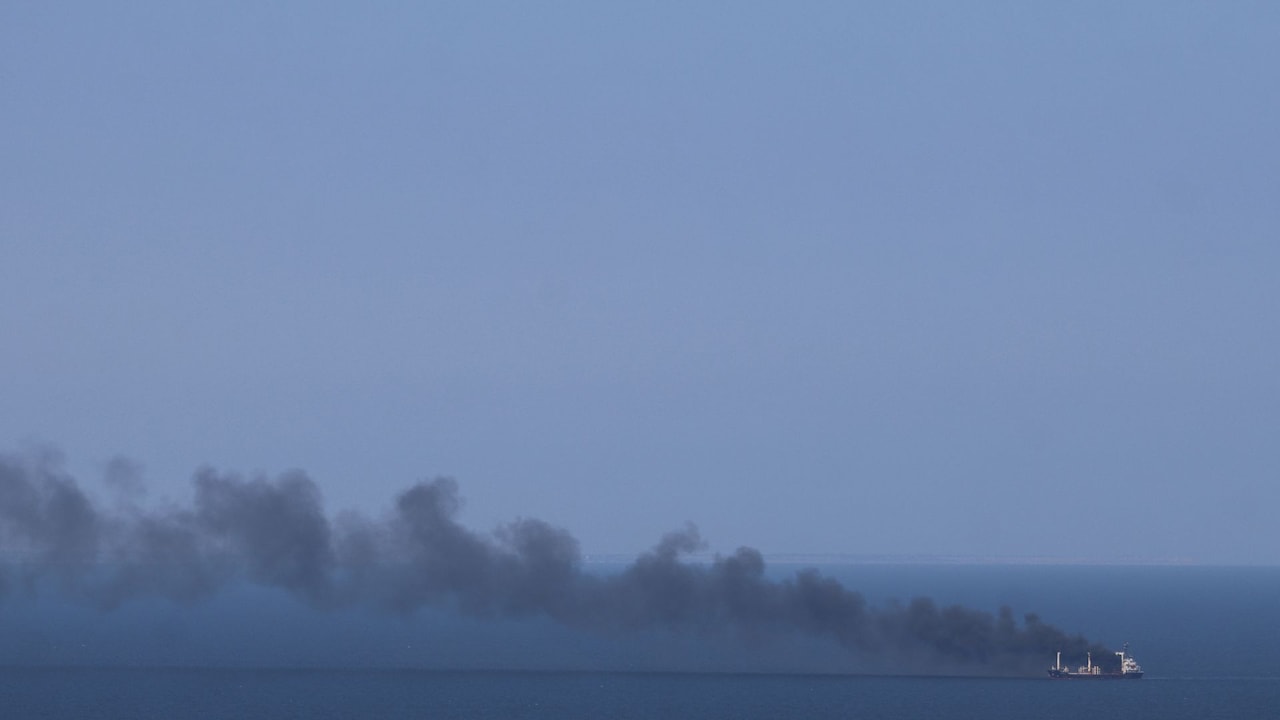
When foreign mariners die in missile strikes near active war zones like the Black Sea or the Red Sea, foreign ministries rush to summon ambassadors, issue sternly worded notes, and express collective horror. The media laps it up. They frame these deaths as unexpected tragedies, tragic accidents, or lawless provocations that caught international trade off guard.
That story is a complete lie.
I have spent years working near the intersections of commercial maritime logistics, war-risk insurance, and international supply chains. I can tell you with absolute certainty that every single hull entering a combat zone carries a price tag that has already priced in human collateral damage. The deaths of merchant seafarers in conflict corridors are not diplomatic surprises. They are the calculated, accepted risk of an international shipping industry that prioritizes dirt-cheap freight over human life, backed by governments that knowingly let their citizens sail directly into crosshairs.
Stop pretending this is about rogue military strikes or diplomatic failures. It is about cold, hard economics.
The Shadow Math of War Risk Premiums
When a merchant ship sails into a designated war zone, the maritime world does not rely on international law for protection. It relies on underwriters.
The moment a vessel crosses an High-Risk Area (HRA) boundary, standard hull and machinery insurance pauses. The shipowner pays an additional war-risk premium. That premium fluctuates daily based on missile strike frequency, drone activity, and naval mines.
Notice what enters that mathematical equation:
- Vessel replacement cost.
- Cargo value.
- Demurrage penalties for late arrival.
- Crew war-risk bonus pay (often double basic wages).
Notice what does not stop the ship from sailing: moral outrage.
If the financial reward for transporting grain, oil, or steel through a combat zone exceeds the war-risk premium and crew hazard pay, the ship moves. Period. The shipping line calculates the probability of a strike, buys insurance to cover the physical asset, and hires crew members from countries where economic hardship makes a double-wage war-zone contract impossible to refuse.
When a ship gets hit and workers die, the financial machinery functions exactly as designed. The insurance pays out for the hull. The crew’s family receives a contractually stipulated death benefit. The government issues a fiery statement for the evening news. The next morning, another bulk carrier logs into the exact same channel.
Calling this sequence "unacceptable" is pure hypocrisy. The entire global supply chain is built on accepting it every single day.
Flags of Convenience and the Great Accountability Vacuum
Why do nations struggle to protect their own citizens on the high seas? Because the global maritime registry system was engineered specifically to prevent accountability.
Consider how a standard commercial voyage operates:
- The ship is owned by a shell company registered in the Marshall Islands.
- It flies the flag of Panama or Liberia.
- The technical manager operates out of Dubai or Singapore.
- The charterer buying the cargo is a Swiss commodity trader.
- The crew consists of workers recruited out of South Asia or Eastern Europe.
When a drone or missile slams into the bridge of that ship in international waters, who is legally responsible for sending those workers into danger?
The flag state does not care; its registry exists solely to collect registration fees and provide regulatory immunity. The shell company hides behind limited liability structures. The charterer claims it merely rented space on the vessel. The crew’s home country has zero legal jurisdiction over a foreign-flagged vessel operating in international waters.
So when governments issue formal protests after their citizens die at sea, they are protesting to the wind. They know they have zero legal leverage over the foreign-flagged fleet that hired their workers. The flag-of-convenience framework guarantees that when blood hits the deck, responsibility evaporates into a cloud of corporate filings.
The Myth of Neutral Seafarers in Modern Warfare
Media coverage loves the "innocent civilian merchant" narrative. It relies on an outdated, 19th-century vision of maritime neutrality where commercial ships are neutral players entitled to unhindered passage.
Modern economic warfare destroyed that concept long ago.
When a country is locked in an existential conflict, every metric ton of exported grain fuels its sovereign treasury. Every barrel of imported refined fuel powers its military logistics network. Commercial shipping in war zones is not an innocent bystander to war; it is the physical circulatory system of war.
Military strategists on both sides understand this perfectly. Blocking, disrupting, or striking commercial vessels bound for an enemy’s ports is standard economic interdiction.
When shipping companies accept charters into these ports, they are knowingly entering an active target ecosystem. Telling mariners that their commercial status protects them is negligent. In modern missile warfare, an infrared guidance system or radar seeker does not check a vessel's civilian registration or crew passports before detonation. It tracks an engine signature and impacts the hull.
Why Governments Will Never Fix the Problem
If foreign workers are dying on ships in conflict zones, why don't their home nations simply ban their citizens from working on vessels entering known war zones?
Because doing so would collapse their own domestic economies and anger global trade partners.
Several major developing nations derive a massive portion of their national income from overseas worker remittances, with maritime labor forming a cornerstone of that income. Blocking mariners from working on high-risk routes would mean:
- Losing lucrative maritime management contracts to rival labor-exporting nations.
- Triggering massive labor surpluses at home.
- Alienating global trade blocs that rely on cheap crew supply to keep food and energy supply chains running.
Governments choose the lesser of two political evils. They allow their workers to take high-risk maritime contracts, collect the incoming foreign currency, and keep a pre-written press release ready for the inevitable moments when a missile hits home.
The stern diplomatic protest is not an attempt to change the system. It is a domestic PR exercise designed to show voters that the state cares, without taking any action that would actually disrupt commercial trade flows or overseas employment pipeline contracts.
The Hard Truth About Maritime Risk
If you want to stop seafarers from dying in regional conflicts, stop looking for diplomatic fixes or UN resolutions. They do not work.
The only mechanism that actually changes behavior in shipping is cost.
As long as the price of human labor in developing economies remains low enough, and as long as war-risk underwriters are willing to write policies for combat zones, ships will sail into missile corridors. The moment risk margins widen enough to destroy the profitability of the voyage, the traffic stops overnight.
Until then, every diplomatic statement calling these deaths "unavoidable tragedies" or "unacceptable actions" is smoke and mirrors. The global economy runs on commodities moving through dangerous waters, and the maritime industry has already decided what a worker's life is worth on the balance sheet.