Israel's economy is bleeding $3 billion every single week. That's the cold, hard number the Finance Ministry just dropped on the table, and it's a wake-up call for anyone thinking a total lockdown is sustainable. This isn't just about lost productivity. It's about a nation trying to balance its very survival against an economic collapse that could be just as lethal as any missile.
The math is brutal. If the current "red alert" restrictions stay in place, the weekly hit to the GDP sits at roughly NIS 9.4 billion. When you factor in the closure of schools, the empty office chairs, and the massive mobilization of reservists, you're looking at a financial crater. Finance Ministry Director General Ilan Rom isn't mincing words. He's pushing the Home Front Command to pivot, and he's pushing hard.
Why the red alert is killing the bottom line
Right now, most of the country is under a "red" restriction level. It sounds safe, but it's economically suffocating. Under these rules, only essential businesses can keep the lights on. Everyone else is stuck at home, schools are shuttered, and the streets are ghost towns.
The $3 billion weekly loss breaks down into three main buckets:
- The Education Gap: With schools closed, parents can't work. Even those who can work from home are essentially doing two jobs at once, and doing neither well.
- The Empty Desks: Non-essential sectors have basically flatlined. Retail, high-tech offices without safe rooms, and service industries are seeing zero revenue while still carrying overhead.
- The Reserve Drain: Pulling tens of thousands of productive workers out of the economy and putting them into uniform is a double-edged sword. You need the boots on the ground, but you lose the brains in the boardroom.
Rom's letter to Maj. Gen. Shai Klapper was a plea for a middle ground. He wants to move to "orange." It's not a return to normal—far from it—but it’s a lifeline. Under orange restrictions, businesses with nearby shelters can reopen. It cuts the weekly loss from $3 billion down to about $1.5 billion. It's still a staggering amount of money to lose, but it's the difference between a controlled descent and a freefall.
The psychological anchor of a paycheck
Dror Litvak, CEO of Manpower Group Israel, pointed out something most analysts ignore. Work isn't just about money. It’s a "psychological anchor." When people are stuck in their safe rooms watching the news for 14 hours a day, the national morale tanks. Getting people back to their desks—even if those desks are next to a reinforced concrete wall—provides a sense of purpose that a government stipend just can't match.
We've seen this play out before. The economy took a massive hit during the Gaza conflict, yet it still managed a 3.1% growth rate in 2025. Before this latest escalation with Iran, projections for 2026 were sitting at a healthy 5%. Now? Those numbers look like a fantasy. The longer the "red" restrictions last, the harder it'll be to restart the engine once the smoke clears.
The Strait of Hormuz factor
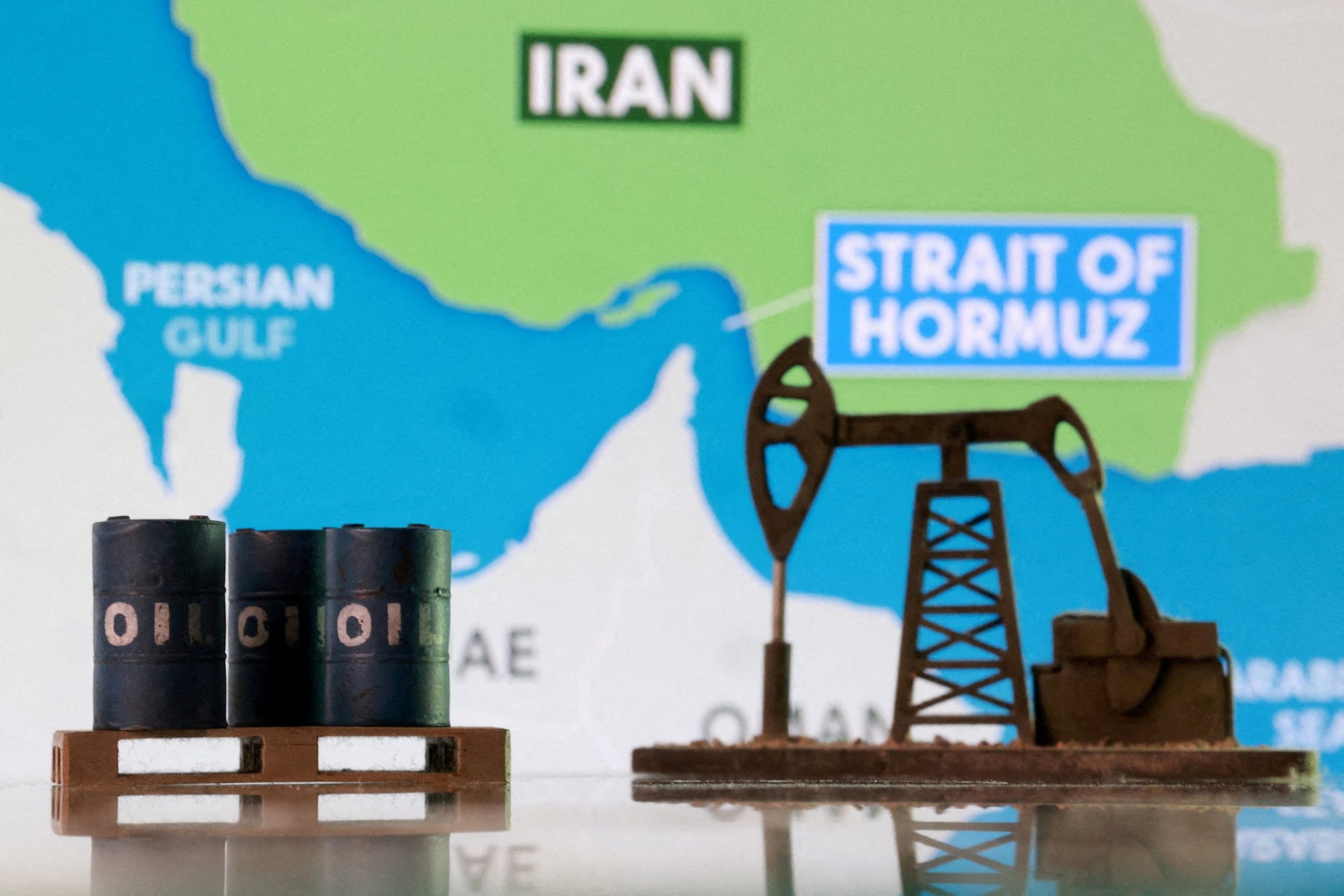
It's not just internal. Israel’s economic pain is mirrored by a global freak-out. With Iran blocking the Strait of Hormuz, 20% of the world’s liquefied natural gas and 20 million barrels of oil are stuck. This has sent Brent Crude soaring past $80, and some are betting it hits $100 if things don't settle.
For Israel, this means the cost of everything—from shipping parts for its tech sector to keeping the lights on at home—is getting more expensive at the exact moment the domestic economy is being told to stay home. It's a pincer movement on the national treasury.
Balancing the books vs. balancing the risk
The tension between the Finance Ministry and the Home Front Command is palpable. The military's job is to keep people alive. The ministry's job is to make sure there’s a country left to live in.
If you're a business owner in Israel right now, you aren't waiting for a press release. You're looking at your cash flow and wondering how many "three-billion-dollar weeks" the government can afford before the safety nets start to tear. The shift to an orange alert level isn't just a policy tweak; it's a necessity for the survival of the private sector.
Businesses need to start auditing their physical spaces now. If you have a safe room, you need to be ready to pivot to in-person operations the second the orange light drops. If you don't, you need to be perfecting a remote workflow that actually produces results, not just "presence."
The government is already allocating billions in emergency credit to the security apparatus. Don't expect a bailout to cover your full losses if you choose to stay closed when the "orange" level is finally cleared. The message from the Finance Ministry is loud and clear: the economy has to move, or it will break.
Check your local Home Front Command guidelines tonight. If your workspace meets the criteria for the orange level, get your team ready to return. Waiting for "total quiet" isn't a strategy; it's a slow-motion bankruptcy.