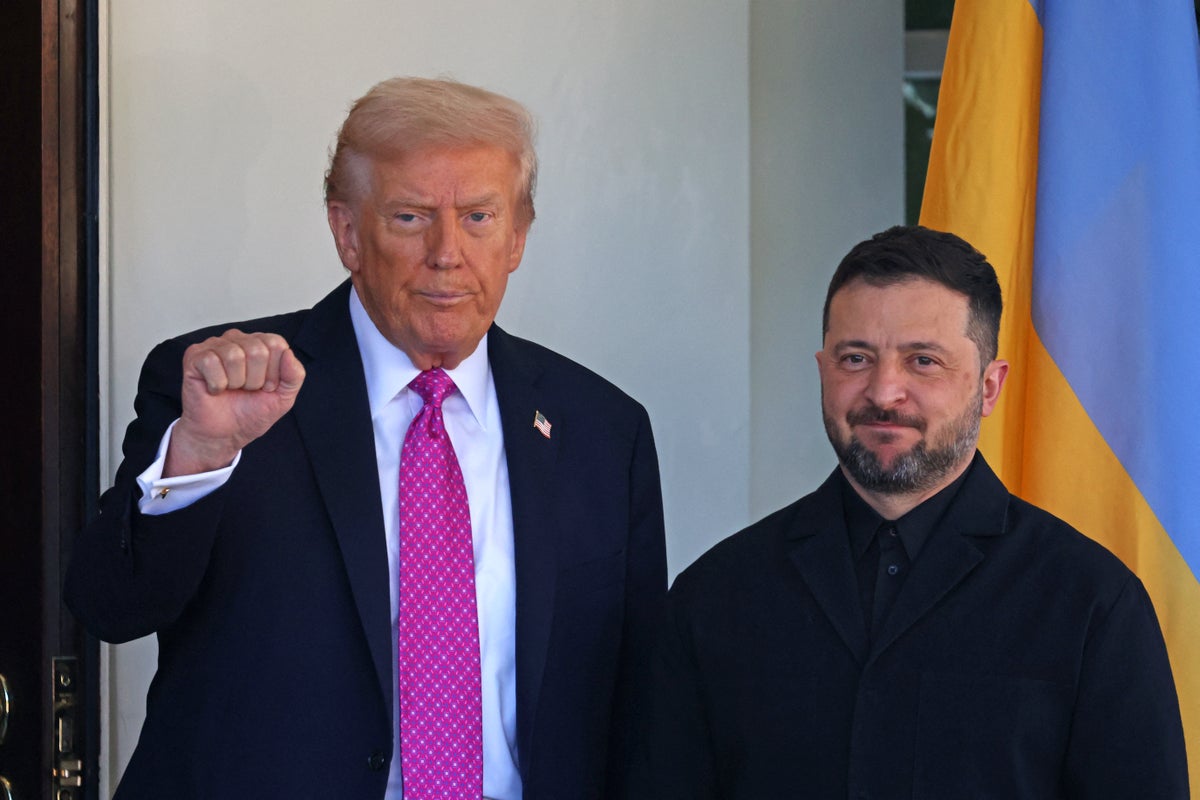
Ukrainian President Volodymyr Zelensky just did something nobody expected. He bypassed the usual diplomatic channels, skipped the standard Western intermediaries, and published an open letter directly to Vladimir Putin.
The proposal is simple on paper. He wants a face-to-face meeting to negotiate an end to the four-year war. He even suggested neutral ground like Switzerland or Turkey and offered a full ceasefire while the talks happen.
This moves the geopolitical chessboard in a massive way. It comes right as the U.S. House of Representatives finally cleared an $8 billion military aid package for Kyiv after months of bitter political gridlock. On the surface, getting $8 billion in weapons looks like a moment to double down on the battlefield. Instead, Zelensky used that exact moment to offer Putin an exit ramp.
If you think this is a sign of sudden Ukrainian weakness, you're looking at the situation all wrong. This isn't a surrender. It's a calculated, high-stakes diplomatic gamble forced by shifting global realities.
The Real Reason for the Sudden Push for Peace
Look at the global map right now. The United States is deeply tangled up in the Middle East conflict involving Iran. Washington only has so much bandwidth, and Europe's biggest war has drifted from the front pages of American newspapers.
Zelensky admitted this openly in his letter. He wrote that with the U.S. focused on Iran, it would be wrong to simply wait until the war in Europe returns to the center of American attention. He knows the brutal truth. Relying entirely on Western political whims is a dangerous strategy for long-term survival.
The $8 billion aid package that just cleared the U.S. House is a perfect example of this instability. Sure, the money provides vital air defense munitions and artillery. But everyone in Kyiv remembers that the current U.S. administration paused military aid entirely earlier in the conflict. Capital city politics are fickle. A single election or budget dispute can freeze the flow of artillery shells overnight.
By launching a peace offensive right as the aid package clears, Zelensky is operating from a temporary position of strength. He's showing the Kremlin that Ukraine isn't broke or defenseless, but it's still willing to talk.
Reading Between the Lines of the Open Letter
The letter isn't just an invitation to coffee. It's filled with sharp psychological pressure points designed to exploit growing fractures inside Russia.
Zelensky pointed out that the majority of everyday Russians are exhausted by inflation, fuel shortages, and regular Ukrainian drone strikes on their cities. He didn't mince words about what happens if Putin refuses the invitation. He warned that if Putin doesn't personally conclude that it's time to end the war, Ukraine will keep fighting.
Then came the real dagger. Zelensky explicitly reminded Putin of a dark pattern in Russian history: when Russia grows tired, radical political change follows.
It's a direct threat to Putin's domestic regime security. Zelensky is gambling that Putin's inner circle might look at the multi-year stalemate, the tanking economy, and the fresh $8 billion in American arms, and decide that a negotiated settlement is better than risking internal collapse.
The Massive Hurdle of the Battlefield Realities
Let's look at the actual logistics of what Zelensky is proposing. A full ceasefire during negotiations sounds great, but it's incredibly difficult to execute in practice.
Military experts know that ceasefires are routinely abused. Russia has historically used operational pauses to regroup, restock front-line units, and dig deeper defensive trenches. Kyiv is taking an immense risk by offering a halt to hostilities without pre-conditions on Russian troop withdrawals.
There's also the massive issue of geography. Right now, Russia holds significant chunks of eastern and southern Ukraine. Putin has repeatedly stated that any peace deal must reflect the realities on the ground. Zelensky, conversely, has maintained for years that Ukrainian territorial integrity is non-negotiable.
How do you bridge that gap in a face-to-face meeting? Honestly, you probably don't. But by initiating the conversation, Zelensky shifts the blame for the ongoing bloodshed entirely onto Moscow's shoulders.
What Happens Next on the Diplomatic Front
The Kremlin confirmed they received the letter and said Putin will be briefed on it. Don't expect a sudden handshake breakthrough next week. The diplomatic dance is going to be slow, messy, and full of public posturing.
If you're watching this situation unfold, keep your eyes on these specific developments over the next few weeks:
- Watch the U.S. Senate: The $8 billion aid bill cleared the House, but it still needs to pass the Senate to become reality. Keep tabs on how quickly the weapons actually arrive at the front lines.
- Monitor Turkey and Switzerland: See if diplomatic envoys from Ankara or Bern start making quiet trips to Kyiv and Moscow to set up a framework for potential talks.
- Track Russian Domestic Media: Watch how State TV frames Zelensky's letter. If they dismiss it completely as a sign of Ukrainian desperation, Putin isn't ready to talk. If they take a more measured tone, serious back-channel negotiations might already be underway.
This isn't the end of the war, but it's the start of a brand new phase where diplomacy is being used as aggressively as artillery.