Call it vanity if you want, yet for Japan's yakuza gangsters a sharp suit and a tight haircut work like armor. Most people picture street brawlers or cinema caricatures when they hear about organized crime in Tokyo or Osaka. In reality, routine grooming and bespoke tailoring project status, discipline, and intimidation in spaces where ordinary citizens try to blend in.
A quick glance at recent wire reporting on barbershops serving underworld figures shows why this habit draws so much attention. A neat cut or a pressed jacket isn't just about looking handsome in a mirror. It signals hierarchy, financial clout, and a willingness to stand apart from mainstream society.
How Yakuza Vanity Shapes Street Presence
Walk through a busy business district in Tokyo and you'll notice how quickly conformity sets in. Millions of office workers wear dark navy or charcoal suits, plain ties, and conservative hair that doesn't draw a second look. When someone steps into that crowd wearing a louder cut, richer fabric, or a sharper silhouette, people notice right away.
That contrast is the whole point. For generations, yakuza factions leaned on visual cues to establish dominance before a single word was spoken. A slicked-back style, a crisp fade, or a custom-fitted jacket tells onlookers that this person isn't clocking into a standard nine-to-five job.
I've spent plenty of time studying how subcultures use dress as shorthand for authority, and organized crime is one of the clearest examples anywhere. In street hierarchies, looking put-together communicates control over your own territory and your own routine. If a guy can't keep himself sharp, people assume he can't run a crew either.
Still, calling it pure vanity misses half the picture. Vanity implies chasing approval for its own sake. Underworld grooming is more transactional than that. It's a calculated performance aimed at rivals, subordinates, shop owners, and police alike.
Sharp Suits As Status Signals
Suits in yakuza culture aren't just workwear. They're status markers. While standard corporate attire in Japan favors understated uniformity, underworld styles often push toward heavier lapels, bolder patterns, glossier finishes, or high-end fabrics that announce spending power.
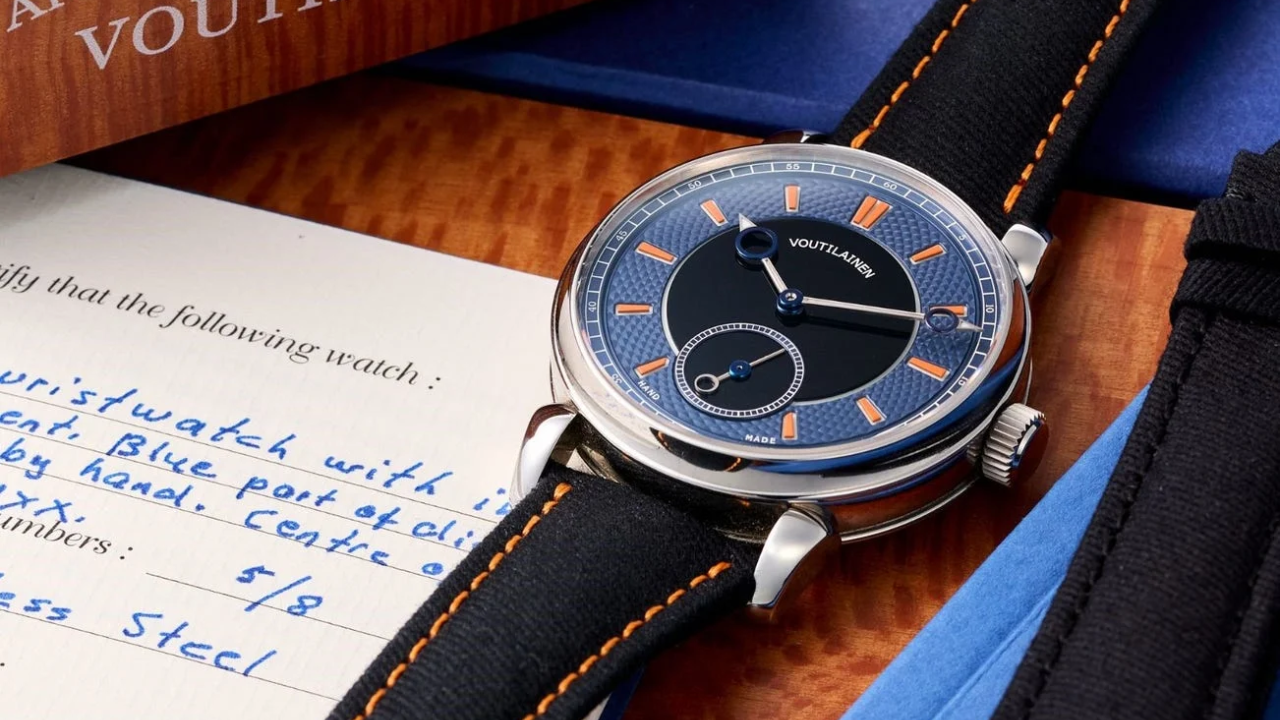
Even small details carry weight. A heavy wristwatch, polished leather shoes, or a distinct lapel pin can signal rank or affiliation without needing a speech. In a culture where subtlety often rules public life, wearing something louder or noticeably more expensive is a deliberate flex.
That said, trends shift over time. Older generations and classic depictions often favored flashy or theatrical tailoring, whereas newer groups and younger recruits sometimes lean toward more muted, low-profile clothes to avoid drawing heat. Blending in has become much more practical as enforcement and social pushback have grown stricter over the past few decades.
The Quiet Role Of Barbers And Grooming
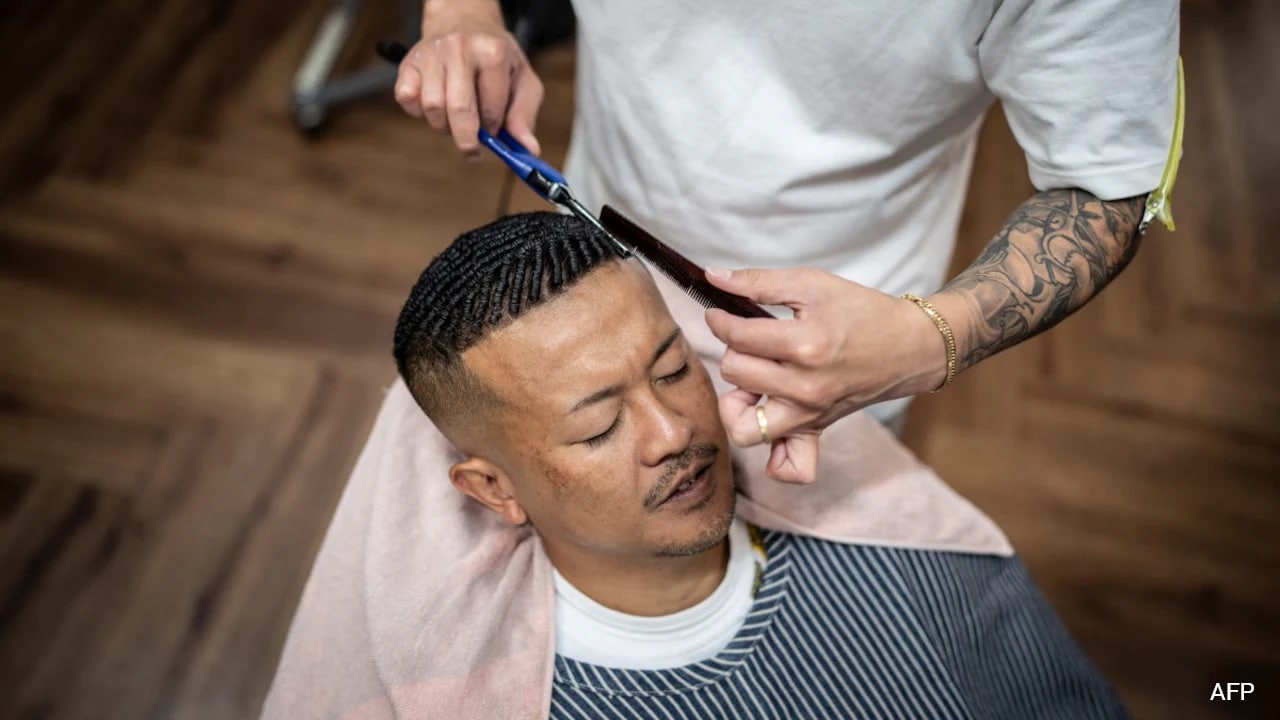
Haircuts do heavy lifting because they're impossible to hide indoors. Unlike a jacket you can take off or tattoos you can cover under long sleeves, your hair is on display the moment you step outside.
Weekly or frequent trims keep edges razor-sharp and maintain an unmistakable silhouette. Short cropped sides, slicked-back styles, or closely maintained fades project order and aggression at the same time. It's a classic mix of polish and menace.
Barbershops also occupy an interesting gray zone in everyday life. As wire coverage of barbers catering to yakuza clients has highlighted, cutting a gangster's hair isn't the same thing as running a criminal syndicate. Still, business owners and service workers in Japan have to navigate strict anti-yakuza ordinances (boryokudan exclusion laws) and reputational risks carefully.
Honestly, that tension is what makes the topic so fascinating. A haircut looks trivial on paper, yet in a tightly regulated society where legitimate businesses face heavy penalties for associating with organized crime, even routine grooming sits inside a much larger legal and cultural web.
Myths Versus Reality In Underworld Style
Pop culture—from classic yakuza cinema to video games—has turned underworld fashion into a caricature. Bright suits, dramatic poses, and larger-than-life personalities make great entertainment, yet real life is usually messier and far less glamorous.
One common misconception is that every gangster dresses like a movie villain every single day. In reality, day-to-day life involves mundane errands, quiet meetings, and plenty of effort to stay out of trouble. Nobody wants constant attention from law enforcement when they're trying to move quietly.
Another myth is that style alone equals power. A sharp suit can project confidence, sure, but clothes don't replace leverage, money, or internal discipline. Anyone can buy nice fabric if they have cash; holding respect inside a tight-knit group takes much more than a good tailor.
Researchers and journalists who cover Japanese organized crime, including outlets like Agence France-Presse and Japan Today, regularly point out that the group's public image has shrunk dramatically as membership has fallen and laws have tightened. What used to be an openly flaunted street presence is now far more constrained.
There's also a debate over how much weight aesthetics really carry today. Some observers argue that flashy grooming is mostly a holdover from older eras, while others note that status signaling never truly disappears—it just adapts to changing rules and quieter habits.
Practical Ways To Read Style Without Falling For Clichés
If you're interested in how clothing and grooming signal status in Japan—or anywhere else—a few practical habits will keep you from jumping to lazy conclusions:
- Look at context first. A sharp suit in a luxury hotel or upscale district means something completely different than the exact same outfit in a quiet residential neighborhood. Context shapes how people read any look.
- Separate fiction from fact. Treat movies, manga, and games as stylized drama rather than documentaries. Fictional characters exaggerate silhouettes and attitudes for visual punch on screen.
- Pay attention to restraint. In Japan, understated quality often speaks louder than loud logos or theatrical flair. Notice fabric drape, fit, and posture rather than relying on stereotypes.
- Check current legal and social realities. Anti-organized-crime laws and public attitudes have reshaped how underworld figures operate and present themselves. Older assumptions about open display don't automatically hold up today.
Clothing is never just fabric, and a haircut is never just hair. They're everyday tools people use to claim space, signal belonging, and tell the world who they think they are.