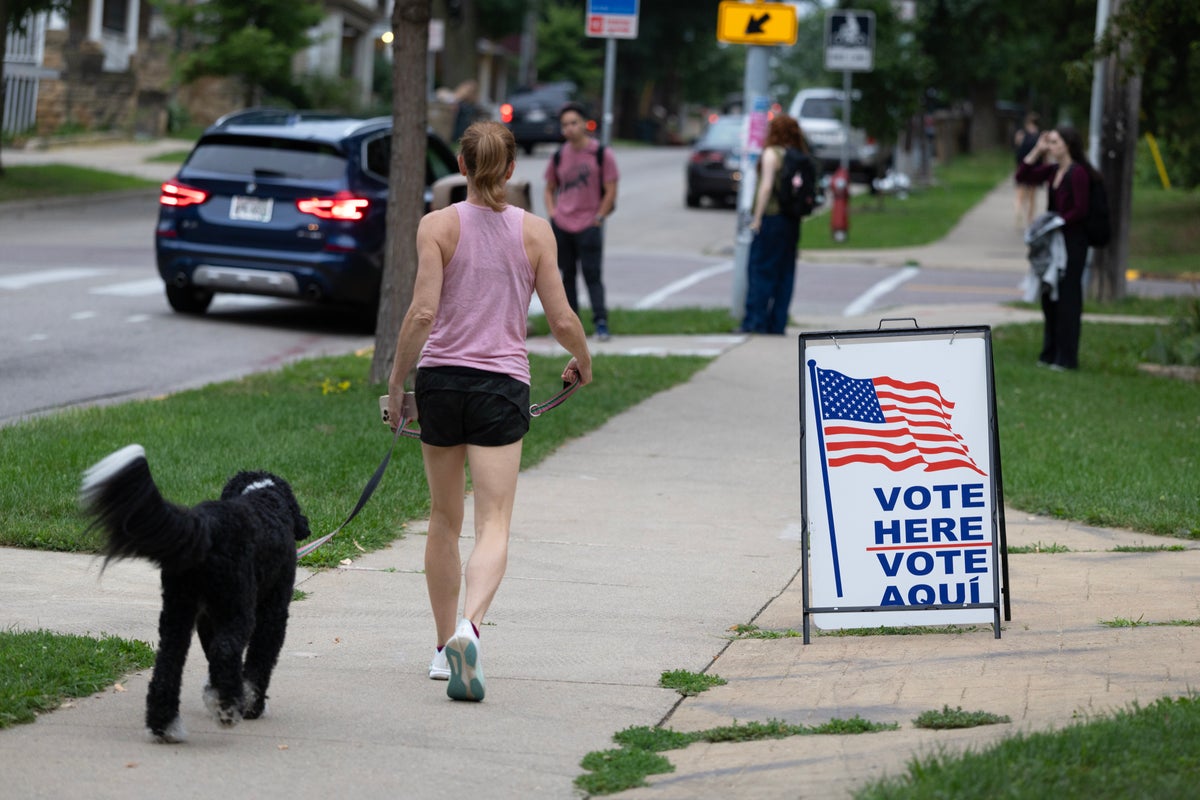
Every two years, the media industrial complex dusts off the exact same panic script. Midterms approach, headlines scream about impending voter suppression, and terrified citizens brace for aggressive challengers breathing down their necks at the local gymnasium.
Stop. Take a breath. You are being played.
The conventional wisdom tells you that a voter challenge at the polls is a constitutional crisis unfolding in real-time, designed to strip you of your voice. Turn on cable news, and you will hear endless hand-wringing about organized disruption teams targeting specific zip codes.
Here is the dirty secret the talking heads refuse to touch: The formal voter challenge process is an administrative swamp built of so much bureaucratic red tape that it fails by design nearly every single time it is attempted.
I have spent years watching political campaigns and legal watchdogs blow millions of dollars chasing shadows, terrified of a boogeyman that bureaucratic gravity pulls down before it ever touches the ballot box. If you are sweating over whether some overzealous precinct observer is going to successfully throw out your vote because you moved across town three months ago, you are fighting a phantom while missing the actual mechanics of political power.
The Myth of the Instant Disqualification
Let us dismantle the core misconception right now. People picture a cinematic showdown at the check-in table. A stern-faced challenger points a finger, mutters an obscure statute, and the poll worker dramatically drops your ballot into a rejection bin.
Reality is far more mundane and aggressively boring.
Under federal law—specifically the Help America Vote Act and decades of state-level procedural statutes—casting a ballot is not a duel. It is a slow-moving paper process. A random citizen cannot walk into a polling place, shout "objection," and watch you get bounced. To legally challenge a voter's eligibility at the polls, a challenger must meet a staggering evidentiary burden. They need sworn affidavits, personal knowledge, and strict adherence to timelines that most partisan volunteers cannot manage while remembering to pack a turkey sandwich.
When a challenge is actually logged, what happens? You are handed a provisional ballot.
For years, the political punditry has treated the provisional ballot like a digital executioner's sword. They tell you it is a black hole where votes go to die. That is flatly false. Election administrators are legally required to investigate provisional ballots during the canvassing period. If you are registered, in the correct jurisdiction, and your signature checks out, that vote counts. Period.
The system is heavy, slow, and resistant to partisan hijacking. The real danger is never the loudmouth at the precinct table. The real danger is your own apathy leading up to the cutoff dates.
Why the Establishment Loves Your Panic
Why do political organizations keep pumping money into anti-intimidation hotlines and breathless legal alerts? Because fear converts.
An anxious electorate is an open wallet. When non-profits and campaigns convince you that your franchise is under immediate physical assault, you donate. You volunteer. You click.
Meanwhile, actual disenfranchisement happens weeks before anyone sets foot near a voting machine. It happens quietly in county clerk databases through list maintenance errors, unforwarded mail, and clerical oversights. Yet, nobody stages a rally over a database glitch because database glitches do not fit nicely into a thirty-second outrage clip.
Imagine a scenario where every dollar spent on emergency challenge-monitoring hotlines was instead redirected toward peer-to-peer address verification and early voting carpools. We would see historic turnout spikes. Instead, we get theatrical defense squads monitoring lines for disruptions that statistically affect a microscopic fraction of a percent of total ballots cast.
Let us look at the hard data from past midterms. In jurisdictions where aggressive third-party challengers were deployed in droves, the actual number of successful on-site challenges resulting in permanent disqualification was often zero, or close enough to it to be a rounding error. Why? Because election judges—who are typically local neighbors of varying political stripes just trying to get home before dinner—have zero patience for chaotic actors trying to slow down their lines.
The Uncomfortable Truth About Election Administration
Critics of my view will point out that bad actors do try to intimidate voters. That is true. Intimidation is real, and it is ugly.
However, conflating intimidation with legal challenges is a category error that weakens our defense. Intimidation is a law enforcement and social problem. Legal challenges are a statutory process.
When you treat every stare, every clipboard, and every loud voice as a systemic crisis of the ballot, you hand the intimidators the exact psychological victory they want. You start policing your own behavior. You start second-guessing whether you should even show up. You internalize the suppression.
The antidote to intimidation is not a team of high-priced lawyers filing emergency injunctions at 2:00 PM on a Tuesday. The antidote is complete, unshakeable indifference to the side-eyes of strangers, combined with absolute mastery of your local voting rules.
Know your precinct. Know your rights. If someone challenges your eligibility, do not argue with them. Do not engage. Smile, ask for a provisional ballot if required, demand the paperwork, and let the bipartisan canvassing board sort out their amateur-hour paperwork errors later.
The Rules of Engagement They Never Teach You
If you want to bulletproof your vote for the upcoming midterms, throw out the anxiety-ridden survival guides. Do these three things instead:
- Verify your status independently: Do not trust third-party apps or social media widgets. Go directly to your state’s official election portal thirty days before the election. If your name is there and your address is current, you are bulletproof.
- Vote early: Cut out the variables entirely. The earlier you cast your ballot, the fewer operational bottlenecks you have to navigate, and the less vulnerable you are to day-of chaos or weather events.
- Treat provisional ballots as tools, not traps: If you hit a roadblock, do not walk away in disgust. Demand a provisional ballot, fill out the affirmation form, and get the receipt. That receipt is your legal anchor.
The people telling you that your vote is about to be stolen out from under you do not understand the machinery of American elections. They want you looking at the shiny object of partisan theater while the real work of democracy happens quietly in the background.
Stop looking at the challenger over your shoulder. Look straight ahead, drop your ballot in the box, and walk out.