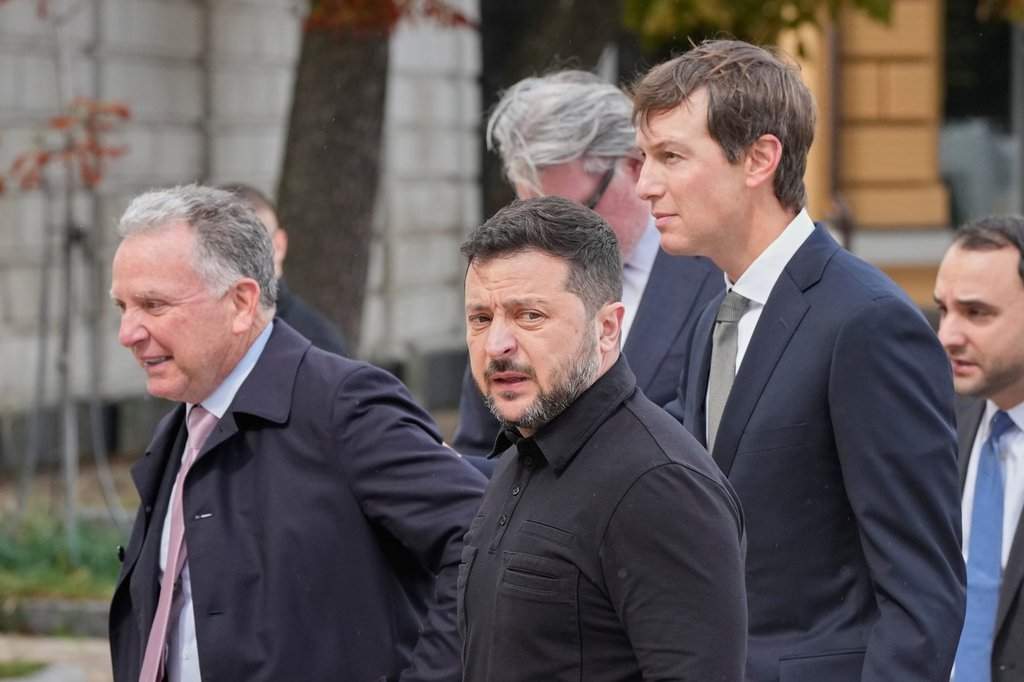
Peace talks rarely start with a clean slate. They usually start with a train ride to Kyiv after a tense three-hour closed-door session in Moscow. Steve Witkoff and Jared Kushner just completed a high-stakes diplomatic sprint that carried them straight from the Kremlin to the Ukrainian capital.
The Trump administration’s special envoys walked away calling their discussions in Kyiv encouraging. President Volodymyr Zelenskyy pushed for a just and fair peace that leaves zero room for renewed aggression. But behind the optimistic soundbites lies a grinding reality. More than four and a half years of full-scale war have hardened positions on both sides.
Inside the Moscow Kremlin Debrief
Saturday's meeting with Vladimir Putin wasn't just about troop movements or border lines. Russian foreign policy aide Yuri Ushakov described the talks as substantive and frank, but notable details emerged beyond the immediate conflict. Economic cooperation and major joint projects between Washington and Moscow took up a surprising amount of table time.
Putin acknowledged the difficulty of the situation while praising Donald Trump's ongoing persistence to find a settlement. Yet, Moscow offered no immediate concessions on territory or core security guarantees. They reiterated their battlefield objectives while securing a temporary, localized pause in aerial strikes against Kyiv during the envoys' travel window.
Skeptics on the ground aren't buying the sudden diplomatic warmth. Daily air-raid sirens and relentless drone exchanges have worn down public patience. When a brief three-day window of quiet collapses into overnight explosions, trust evaporates instantly.
What Zelenskyy Demands Next
Arriving by train for their first official joint visit to Kyiv, Witkoff and Kushner faced a sharp pivot from Kremlin rhetoric to Ukrainian resolve. Zelenskyy made it clear that stopping the current fighting is only half the battle. The real challenge is engineering conditions that prevent future invasions.
Following initial sessions with the American delegation, national security advisers from Britain, France, and Germany joined subsequent rounds of talks. European capitals remain deeply invested in ensuring any eventual settlement doesn't bypass continental security frameworks.
Kushner emphasized that Washington wants to build a durable architecture for peace, rather than a fragile ceasefire that crumbles by spring. Senior officials note that immediate winter survival strategies dominated much of the closed-door dialogue. Energy infrastructure and civilian resilience remain vulnerable as cold weather approaches.
The Road Ahead for American Diplomacy
For six months, Washington's diplomatic bandwidth was heavily consumed by conflicts in the Middle East. This sudden re-engagement in Eastern Europe signals a renewed White House push to deliver on campaign promises regarding the war's conclusion.
Whether these envoys can bridge the vast gulf between Moscow's territorial demands and Kyiv's refusal to capitulate remains an open question. Real breakthroughs require actual compromise, not just polite handshakes in historic cathedrals. Watch for the White House to roll out specific roadmap proposals in the coming weeks as European allies coordinate their next moves.