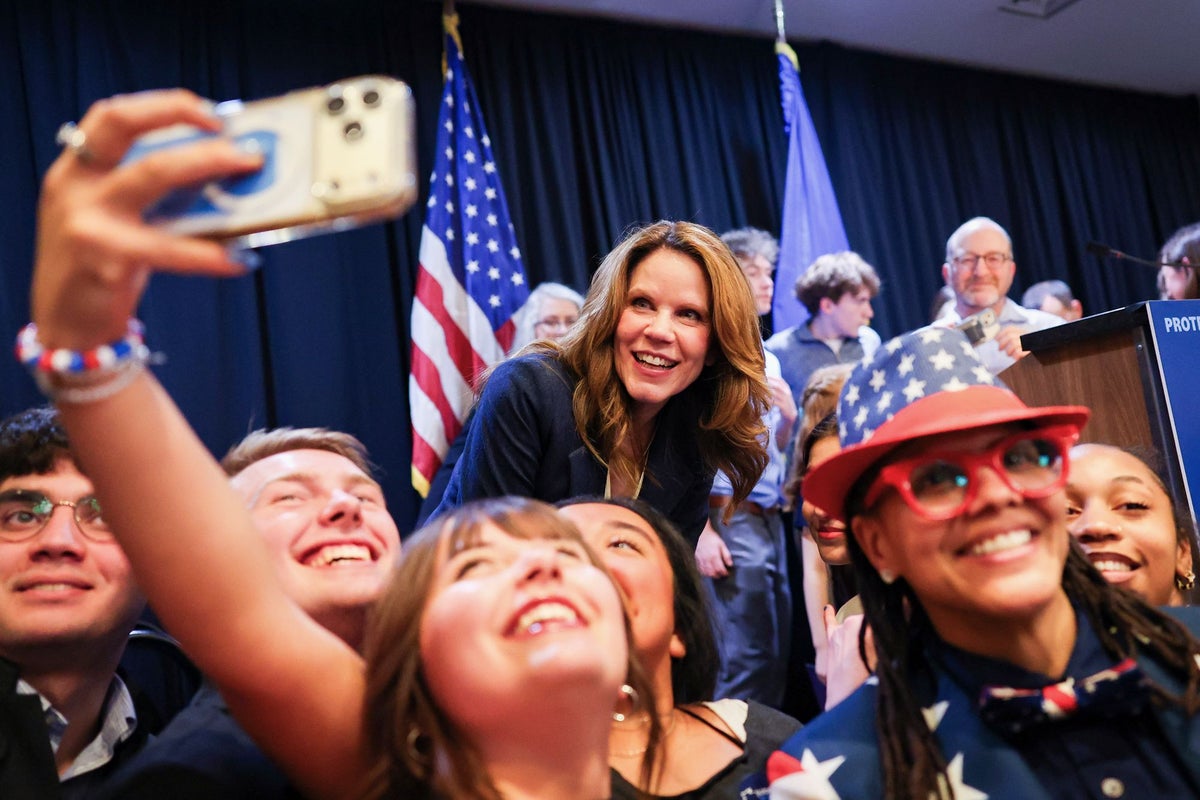
Wisconsin didn't just elect a judge. It dismantled a century-old prison for reproductive rights. When Janet Protasiewicz beat Daniel Kelly by double digits, she didn't just win a seat on a bench; she ended a 15-year era of conservative control that had locked the state in a legislative freeze. This wasn't a quiet judicial race. It was the most expensive, loudest, and most consequential state court battle in American history.
You've probably heard people say every election is the most important of your life. Usually, that's just campaign noise. In this case, it was the literal truth for anyone in Wisconsin with a uterus. The victory flipped the court to a 4-3 liberal majority, and the shockwaves are still hitting the ground in 2026.
Why this judicial race felt like a presidential campaign
For years, state supreme court races were sleepy affairs. You’d see a few yard signs, maybe a dry ad about "judicial temperament." That died in 2023. This race saw over $45 million in spending. To put that in perspective, it eclipsed the previous national record for a judicial race by more than double.
Protasiewicz took a gamble that most judicial candidates avoid. She was blunt. She didn't hide behind "I can't comment on pending cases." She called the state's legislative maps "rigged" and made her support for abortion rights the centerpiece of her campaign. It worked. She tapped into a massive wave of anger following the Dobbs decision, proving that in a post-Roe world, the state court is the new front line.
The 1849 ghost that haunted Wisconsin
Before this election, Wisconsin doctors were operating in a legal twilight zone. An 1849 law—passed before women could even vote—was still on the books. It effectively banned all abortions except to save the mother's life. Following the U.S. Supreme Court's decision to scrap Roe v. Wade, clinics across Milwaukee and Madison shut their doors overnight. They were terrified of being prosecuted under a law written when the stethoscope was a brand-new invention.
The shift in the court changed everything. Because Protasiewicz won, the court finally had the numbers to tackle Kaul v. Urmanski. In 2025, the court ruled 4-3 that the 1849 law didn't actually ban consensual medical abortions. They argued that newer laws passed in the 1980s and 90s had basically replaced the old ban.
If Daniel Kelly had won, that 1849 ban would almost certainly still be the law of the land. Instead, clinics are open. Patients aren't being forced to drive to Illinois or Minnesota for basic healthcare.
Beyond the clinic walls
Don't think for a second this was only about abortion. The GOP-controlled legislature in Madison had spent a decade building a fortress around their majority. They used some of the most aggressive gerrymandering in the country. In 2018, Democrats won every statewide office, yet Republicans still held nearly two-thirds of the legislative seats.
The new liberal majority didn't waste time. They threw out those "rigged" maps, forcing the state to draw lines that actually reflect how people vote. This is why the 2024 and 2026 elections in Wisconsin look so different. For the first time in a generation, the "blue wall" isn't just a catchy phrase—it's a functional reality.
What this means for you right now
If you’re watching the national landscape, Wisconsin is the blueprint. It showed that voters will show up in massive numbers for a "boring" judicial race if they understand the stakes. Since then, we’ve seen similar high-stakes races in 2025 and 2026, including the recent victory of Chris Taylor, which expanded the liberal majority to 5-2.
The era of the "non-partisan" judge who stays quiet is over. Voters want to know where people stand on the big stuff:
- Reproductive freedom
- Voting access and mail-in ballots
- The power of the governor vs. the legislature
- Environmental protections against "forever chemicals" like PFAS
What you should do next
Don't wait for the next presidential cycle to care about your local ballot.
- Check the bench. Look up which judges on your local and state courts are up for reelection. They'll likely decide the fate of your healthcare and your vote before any president does.
- Verify your registration. Wisconsin has made strides in protecting voting rights, but rules can still shift based on court rulings regarding drop boxes and witness signatures.
- Follow the money. The 2023 race showed that outside groups will dump millions into these races. Know who is funding the ads you see on TV.
The Wisconsin Supreme Court isn't just a group of people in robes anymore. It's the most powerful policy-making body in the state. Protasiewicz’s win wasn’t a one-off fluke; it was the start of a total systemic overhaul. If you live in a swing state, expect your judicial elections to look exactly like this from now on.