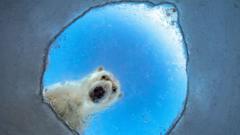
Every autumn, the internet floods with the same sentimental drivel. A polar bear peeking into a tent, a red squirrel caught mid-leap with a mouthful of acorns, an owl staring down a microscopic beetle. The press releases go out. The mainstream media swoons. Millions of desk jockeys look at these images during their morning commutes and sigh about the magic of the natural world.
Stop buying the fairy tale.
The Wildlife Photographer of the Year competition has metastasized into a massive exercise in consumer deception. It peddles a sanitized, Disneyfied fantasy that has very little to do with actual wildlife and everything to do with technological excess, staged luck, and commercial validation. While the public marvels at the pristine composition and the impossible close-ups, working conservationists and field researchers watch in sheer exhaustion as millions of dollars chase photographic vanity instead of actual habitat protection.
Let us dismantle the romanticized consensus and look at what is really happening behind the telephoto lens.
The Telephoto Tax and the Death of Fieldcraft
Look closely at the shortlist for any major nature photography competition today, and you will see the triumph of gear over grit. Decades ago, wildlife photography required an intimate understanding of animal behavior, agonizing hours of tracking, and supreme patience. You sat in a freezing blind for three days waiting for a wolf pack to move through a ridge because your lens maxed out at 300 millimeters and manual focus was your only option.
Today, anyone with a forty-thousand-dollar credit card line can buy a setup that tracks eyes via deep-learning algorithms, shoots forty frames per second in silent electronic shutter mode, and resolves individual whiskers from a quarter-mile away.
The result is not better fieldcraft; it is industrial-scale accumulation. Amateurs and professionals alike are turning national parks into shooting galleries where the animal is merely a prop in a digital rendering pipeline. When a camera can capture a bird's wingtip feather frozen at 1/8000th of a second in pitch darkness using remote-triggered infrared beams, the photographer is no longer a naturalist. They are a systems administrator operating a mechanical trap.
We have replaced the quiet observation of animal behavior with the frantic race for the ultimate pixel density. And the animals pay the price.
The Baiting Industry No One Talks About
Let us address the elephant in the camera bag: baiting.
Walk behind the scenes of elite wildlife photography, and you will find an open secret that judges and festival directors politely ignore. A massive percentage of high-end mammal and raptor shots rely on artificial feeding stations, scent lures, live bait tethered out of frame, or audio playback designed to agitate territorial males.
When you see a majestic owl lunging toward the camera with talons flared against a dramatic sunset background, the probability that it was lured to a specific fence post using frozen mice bought from a pet store approaches one hundred percent. The bear looking curiously into the photographer's tent? Often baited with seal fat or specialized scent pastes designed to trigger inquisitive behavior in habituated animals.
This is not wildlife documentation. It is wildlife manipulation.
Habituating wild predators or migratory birds to human food sources for the sake of a glossy portfolio piece alters natural migration routes, increases mortality rates from vehicle strikes, and breeds dangerous proximity to human settlements. Yet the competitions continue to hand out gold medals to photographs that are, at their core, records of animal conditioning and artificial enticement.
If an image requires luring a apex predator with processed meat to get the composition right, it belongs in a commercial advertising catalog, not an exhibition celebrating wild nature.
The Conservation Paradox
The standard defense from festival organizers is always the same: these images build empathy, and empathy drives conservation funding.
I call bullshit. I have seen organizations blow millions on high-profile gala events and traveling exhibitions while actual field conservation projects starve for basic operational cash. The romantic lens creates a profound cognitive dissonance in the public mind. People look at a stunning portrait of a snow leopard against a Himalayan backdrop and feel that nature is pristine, abundant, and adequately protected because someone managed to frame it so beautifully.
In reality, that snow leopard's habitat is shrinking by fractions every month due to mining concessions, grazing pressures, and climate disruption. The photograph acts as an anesthetic. It provides a synthetic hit of wilderness satisfaction that tricks the viewer into believing the natural world is thriving, neutralizing the urgency for real political and economic sacrifice.
Conservation does not need more glossy coffee-table books celebrating individual charismatic megafauna shot at f/2.8. It needs land acquisition, anti-poaching patrols, indigenous land rights enforcement, and boring, unglamorous habitat connectivity corridors.
Rewilding the Viewfinder
Does this mean we should throw away our cameras and abandon nature imagery altogether? Of course not. But we need a radical recalibration of what we value.
True wildlife photography should prioritize context over isolation. We need to see the fence lines cutting through the migration route. We need to see the open-pit mine behind the herd of pronghorn. We need images that document the friction between human expansion and wild ecosystems, rather than airbrushing out the ugly realities until nature looks like a framed poster in an executive waiting room.
Next time you scroll through a shortlist of award-winning animal portraits, ask yourself a simple question: how many humans were standing just out of frame holding a bucket of bait, and how much of that animal's natural fear was bred out of it so a shutterbug could update their portfolio?
Put down the telephoto lens, step back from the bait pile, and start looking at the actual ecosystem instead of the viewfinder. Nature doesn't need your applause. It needs you to get out of the way.