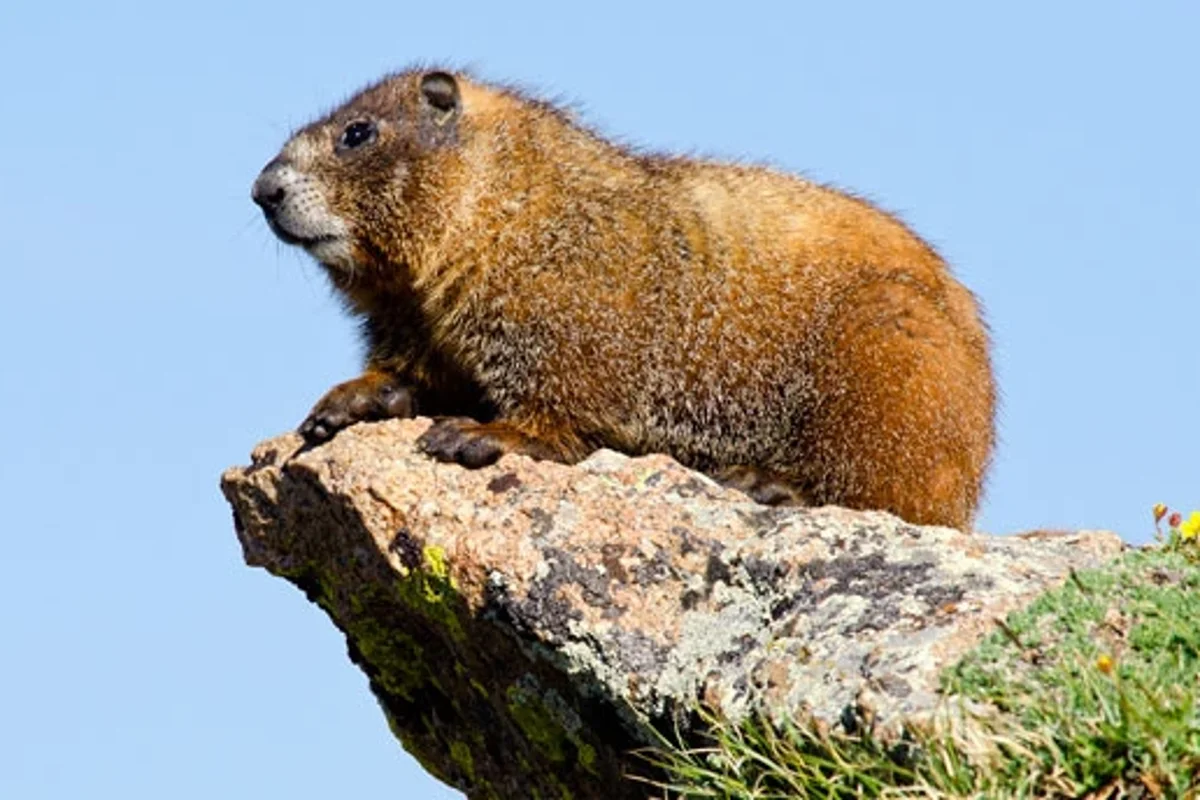
You leave your car in a scenic mountain parking lot, hike for five hours, and return to find your vehicle missing crucial radiator hoses, your favorite hiking boots chewed to pieces, and a chubby rodent staring at you judgmentally from the bumper. If you haven't dealt with western marmots yet, you're in for a bizarre surprise. These oversized ground squirrels have declared war on backcountry visitors, and they aren't backing down.
The Real Reason Marmots Target Vehicles
People assume wildlife behaves out of pure malice, but marmots have a very practical—and strange—motivation. They love salt. National park visitors sweat on hiking gear, drop salty snacks, and track mineral residues onto their vehicle tires and undercarriages.
In places like the Mineral King area of Sequoia National Park, yellow-bellied marmots treat parking lots like an all-you-can-eat buffet. They crawl deep into engine bays to chew on rubber radiator hoses, brake lines, and wiring insulation. Modern car manufacturing uses soy-based components in wiring, turning your sedan into a multi-course gourmet meal for a hungry rodent.
Park rangers regularly see cars completely disabled because a family of marmots chewed through the electrical system while the owners were miles away on a summit trek. It's an expensive souvenir you definitely didn't budget for.
Beyond Cars: The Personal Harassment
Vehicles are just the beginning. If you leave your gear unattended for even two minutes, you're inviting trouble. Marmots have zero fear of humans in heavily trafficked high-altitude zones. They've learned that hikers mean food, salt, and easy entertainment.
Boots left outside tent vestibules overnight routinely vanish. Marmots drag heavy leather hiking boots hundreds of feet away just to gnaw on the sweat-soaked salt around the insoles. Backpack straps, trekking poles, and tent fabrics face the same destructive fate.
Some hikers report waking up to a wet sensation on their skin—literally having their faces licked by bold marmots hunting for salt from human sweat while people sleep under the stars.
How to Protect Your Gear and Car
If you plan on hitting trails in the Sierra Nevada, the Rockies, or Olympic National Park, you have to prep your vehicle properly. Don't just park and walk away.
- Wrap your vehicle: Rangers in high-marmot zones recommend driving your car completely over a heavy-duty tarp and wrapping it up over the bumper and wheel wells. This blocks their access points.
- Hide your scent: Wash your car and undercarriage before heading into remote trailheads. Removing road salt and grime minimizes the temptation.
- Secure your gear: Never leave boots, clothing, or packs on the ground. Lock everything inside hard-sided containers or bear-proof lockers if available.
- Pop the hood: When you return, check under the hood before turning the ignition. Marmots love to hitch rides, and turning over an engine with a sleeping rodent inside ends badly for everyone.
Wild animals will always adapt to human presence. Right now, marmots are winning the backcountry game. Keep your gear locked up tight, cover your tires, and never underestimate a rodent with a serious mineral craving.