When the White House decides it doesn't like a news organization's editorial tone, locking the doors doesn't make the constitutional problem go away. That lesson became painfully clear to the administration when a federal judge stepped in to halt a sudden media ban targeting journalists from major outlets.
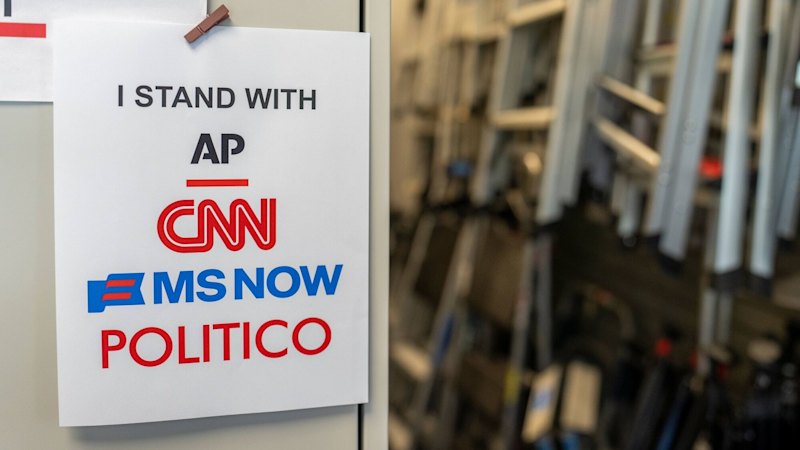
The clash kicked off after reporters from CNN, MS NOW, and Politico had their press credentials revoked. President Donald Trump's team claimed the outlets peddled what they called fake news, using the kind of sharp rhetorical attacks that routinely define modern political communication. But politics is one thing, and administrative law is entirely another. Stripping a reporter's right to work on government grounds based purely on viewpoint discrimination triggers heavy legal alarm bells. Meanwhile, you can find similar stories here: Inside the Machinery of Power: The Real Anatomy of Andy Burnham’s Rise.
The Constitutional Baseline Most Politicians Ignore
You can't just treat the White House briefing room like a private club where you pick the guest list. Decades of legal precedent make it clear that once the government opens a public forum for press reporting, the Fifth Amendment's due process clause kicks in.
Think about how this works in practice. If an administration wants to yank a journalist's credentials, they actually have to follow a fair procedure. They need to show clear, objective criteria—not just complain on social media that a network hurt their feelings or asked tough questions. When the affected outlets sued, pointing straight to violations of both the First and Fifth Amendments, the administration's defense hit a brick wall. The court quickly ordered credentials to be restored, proving that raw executive power has hard limits when colliding with constitutional rights. To understand the full picture, check out the excellent analysis by Al Jazeera.
Solidarity and the Pressure Cooker
The fallout extended well beyond the targeted newsrooms. When CNN was blocked from traveling as part of the regular White House press pool, other major networks didn't just stand by. In a rare display of industry solidarity, the broader television pool—including outlets that often find themselves at odds with each other—suspended their coverage operations altogether.
That move paralyzed the standard information pipeline. Modern governance relies heavily on the pool system to document executive actions for the entire public. By trying to freeze out specific critics, the administration accidentally broke the entire machinery of daily press coverage. It's a classic overreach. When you try to punish one organization, you often end up creating a bigger crisis that draws even more unwanted scrutiny.
What Happens When the Appeals Start
The legal battle isn't over just because reporters got their passes back and walked back onto the grounds. The Justice Department is lining up appeals, and lawyers on both sides are digging in for a long fight over the boundaries of executive authority.
Yet, the core issue remains stubborn. Courts have repeatedly ruled that the White House cannot use access as a political weapon. Every time an administration tries to rewrite the rules of press access to punish critical coverage, they run headfirst into settled constitutional protections. Free press isn't just a talking point for campaign rallies. It's an operational reality that even the presidency has to navigate, whether they like the headlines or not.
Judge orders White House to restore access to barred media companies
This video provides a news broadcast covering the federal court's decision to block the administration's media ban and restore press credentials.