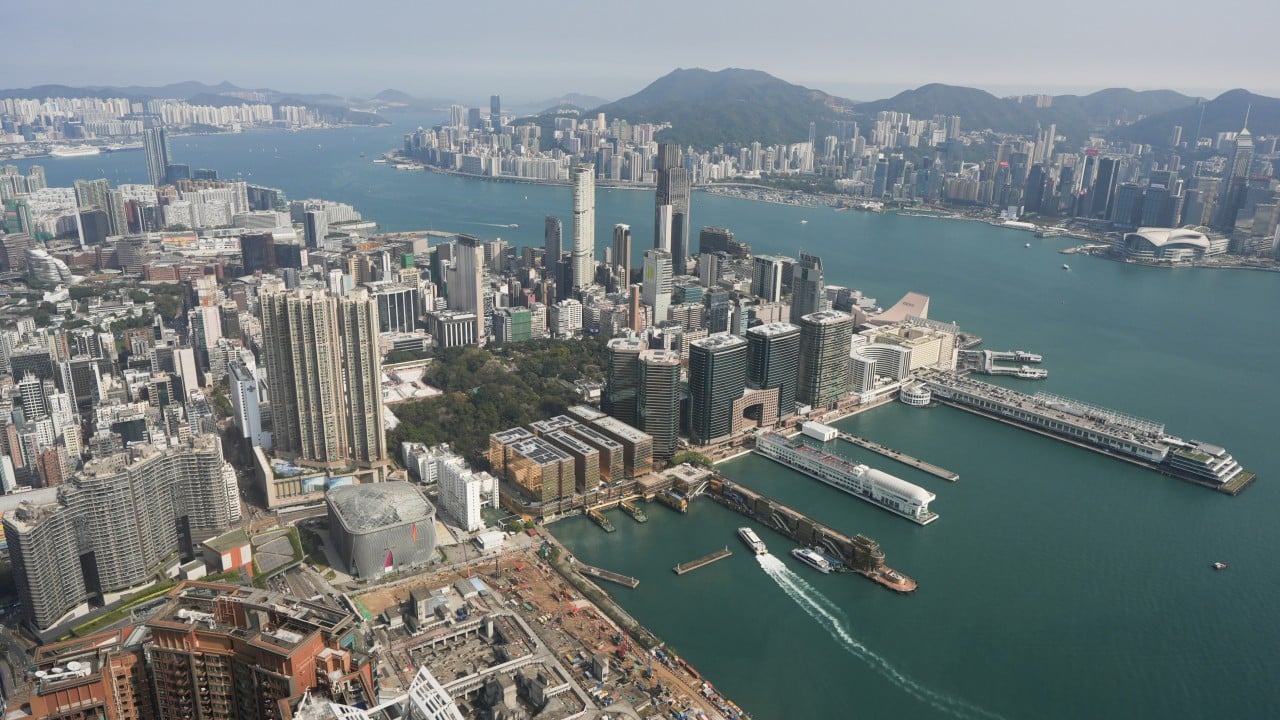
Real estate heavyweights don't usually pivot overnight. Yet, Wharf Holdings is aggressively leaning into Hong Kong's luxury housing market to outrun a brutal, prolonged downturn across the border. If you look past the standard corporate gloss of their latest financial reports, a clear survival strategy emerges. Domestic high-end sales are keeping the lights on while mainland projects face intense headwinds.
Let's break down what's actually happening on their balance sheet. For a deeper dive into similar topics, we recommend: this related article.
The Hong Kong Saving Grace
Wharf's local development property revenue didn't just crawl upward; it nearly tripled to HK$1.35 billion in the first half. Operating profit for the local segment multiplied more than fivefold to hit HK$166 million.
How did they pull that off while the broader market remained choppy? Ultra-luxury assets saved the day. For further information on this issue, detailed reporting can also be found at Forbes.
Take the 1 Plantation Road project up on the Peak. Wharf booked the sale of its very first house there for a staggering HK$558 million, translating to roughly HK$91,000 per square foot. Meanwhile, their 30 percent-owned Victoria Voyage project in Kai Tak moved 198 units, pulling in HK$3.53 billion.
When buyer sentiment turns sour in most sectors, ultra-high-net-worth buyers still spend. Wharf caught that specific wave just in time.
The Mainland Drag
You can't talk about Wharf without addressing the massive anchor dragging down their numbers elsewhere. Revenue from mainland development properties dropped 54 percent during the same period, compounded by a HK$547 million impairment provision.
Wharf has tried to distance itself from mainland residential risk ever since 2019, avoiding new land bank replenishment. Even so, what remains is sitting in sluggish office markets bogged down by persistent oversupply. Attributable contracted sales on the mainland shrunk to 345 million yuan.
The contrast is stark. Local luxury residential activity is providing a rare safety net, while mainland commercial spaces remain heavy financial ballast.
Numbers Behind the Caution
Wharf reported an underlying net profit drop of 16.6 percent to HK$1.69 billion, hit by lower dividend income. Total net profit plummeted to HK$48 million. Yet, management still managed to reward shareholders. They declared a first interim dividend of 20 HK cents alongside a special 20 HK cents dividend to mark their 140th anniversary.
That move signals confidence in their underlying liquidity, even if overall earnings look bruised. They aren't panicking. They're trimming exposure, hoarding cash, and watching regulatory shifts closely.
What Comes Next for Property Investors
If you're analyzing major developers right now, keep an eye on outbound capital restrictions. Wharf explicitly warned that tighter rules from Beijing regarding outbound direct investment are introducing fresh uncertainty into residential valuations.
The easy money in cross-border property plays is gone. Success now belongs to operators who can protect their core cash flow, offload stale inventory, and ruthlessly defend their balance sheets against macro shocks. Wharf is doing precisely that, trading volume for margin where they can get it. Watch their upcoming inventory clearance rates to see if this local rebound has legs or if it is just a temporary oasis.